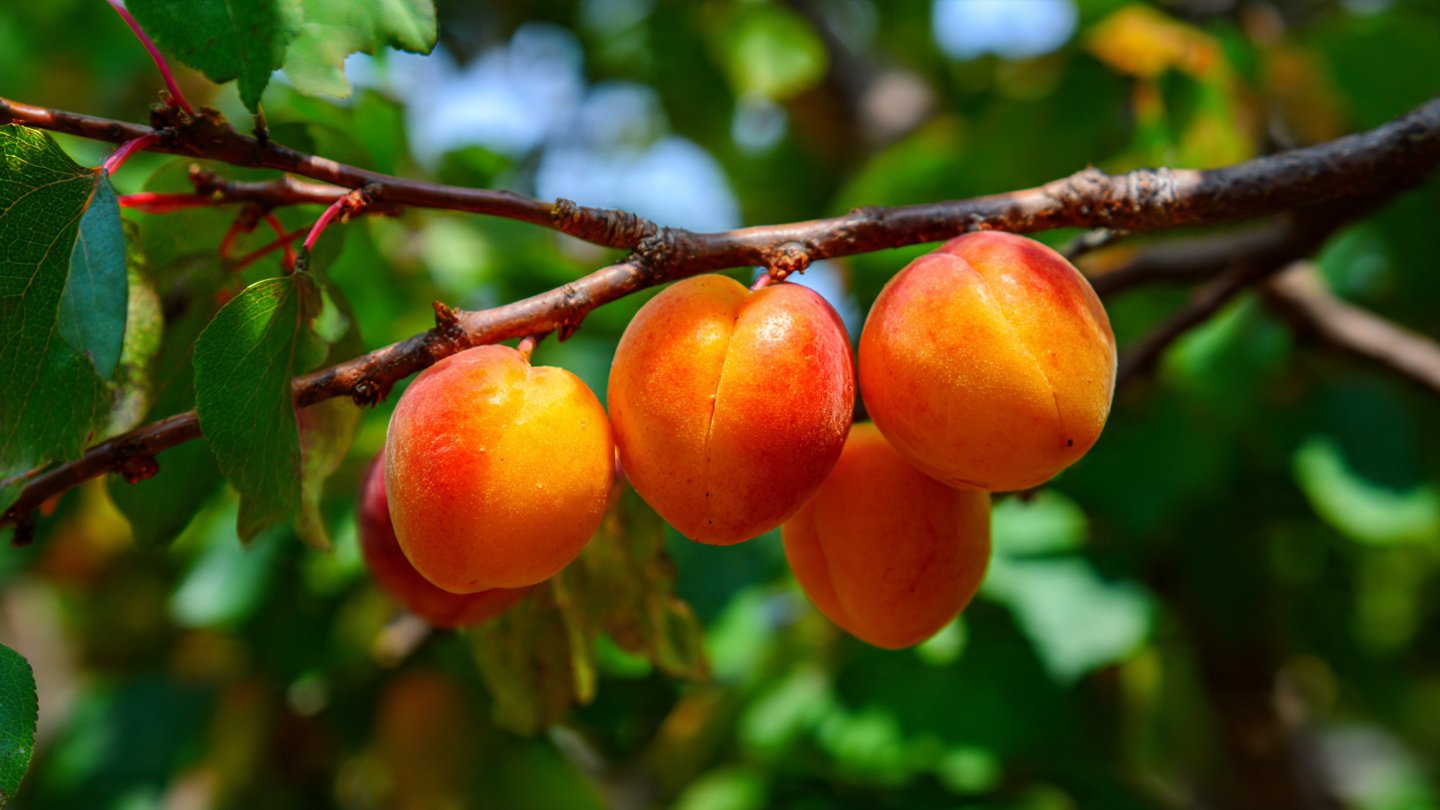

Growing hardy apricot trees (Prunus armeniaca) is an exciting and rewarding venture for backyard gardeners. With their vibrant blossoms in spring and delicious fruit in summer, these trees can add beauty and bounty to your landscape. In this comprehensive guide, we’ll explore how to cultivate hardy apricot trees effectively, from selecting the right variety to managing pests and diseases—all without the need for a greenhouse.
Understanding Hardy Apricot Trees
Before embarking on your apricot-growing journey, it’s vital to understand what makes hardy apricot trees unique. Hardy apricot varieties are selected for their ability to thrive in cooler climates, allowing you to grow them in USDA hardiness zones 5 to 8. These trees can withstand winter temperatures down to -15 to -20°F (-26 to -29°C), making them suitable for many regions that experience cold winters.
Benefits of Growing Apricot Trees
- Delicious Fruit: Hardy apricots produce sweet, juicy fruits that can be eaten fresh, dried, or used in various recipes.
- Aesthetic Appeal: Their lovely spring blossoms contribute to the visual beauty of your garden.
- Pollinator Friendly: Apricot trees attract bees and other pollinators, supporting local ecosystems.
- Shade and Structure: As your apricot tree matures, it can provide shade and serve as a focal point in your landscape.
Choosing the Right Variety
Selecting the appropriate variety of apricot tree is crucial for successful growth. Here are some hardy varieties to consider:
- Moorpark: Known for its large, flavorful fruit and excellent freezing qualities.
- Tilton: Produces medium-sized fruit, is self-pollinating, and adapts well to cooler climates.
- Harglow: A newer variety known for its sweet fruit and excellent disease resistance.
- Goldrich: Preferred for its superior quality, this variety is also resistant to brown rot.
When choosing a variety, consider your climate, the size of the tree, and whether you want a self-pollinating variety or if you’re willing to plant more than one for better yield.
Site Selection and Preparation
Sunlight Requirements
Apricot trees thrive in full sunlight, requiring at least 6 to 8 hours of direct sunlight daily. Select a south-facing location in your yard for optimal growth and fruit production.
Soil Conditions
Healthy soil is vital for the successful growth of apricot trees. Here’s how to prepare your soil:
- pH Level: Apricot trees prefer slightly acidic to neutral soil, with a pH range of 6.0 to 7.0. You can test your soil using a pH testing kit available at garden centers.
- Drainage: Well-draining soil is critical. Apricot trees dislike “wet feet.” If your soil tends to retain water, consider improving drainage by mixing in sand or organic matter.
Planting Time
Late winter to early spring, after the last frost, is the best time to plant your apricot tree. This timing helps the tree establish roots before the growing season begins.
Planting Your Apricot Tree
Step-by-Step Guide
-
Digging the Hole: Dig a hole that is twice as wide and as deep as the root ball of your apricot tree. This enhances root spread and growth.
-
Soil Amendments: Mix some compost with the dug-out soil to provide nutrients and improve soil structure.
-
Positioning the Tree: Place the tree in the center of the hole, ensuring that the graft union (swelling on the trunk) is above soil level.
-
Filling the Hole: Backfill the hole with the amended soil, gently firming it around the roots to remove air pockets.
-
Watering: Immediately water the tree deeply after planting to help settle the soil and provide moisture to the roots.
Watering and Fertilizing
Watering Schedule
Apricot trees require consistent watering, especially during their first year of growth. Here are some tips:
- Frequency: Water the tree once a week for the first season, especially during dry spells. After establishment, you can reduce frequency to every two to three weeks, depending on rainfall.
- Deep Watering: Water deeply, encouraging roots to grow downwards rather than remaining shallow.
Fertilizing
A balanced fertilizer can help promote healthy growth. Here’s how to fertilize:
- Timing: Fertilize in early spring, just before new growth begins.
- Type: Use a fertilizer high in potassium and phosphorus to promote fruiting. An NPK ratio of 5-10-10 is usually ideal.
- Application: Follow the manufacturer’s instructions regarding quantity and dispersal, placing it around the drip line of the tree.
Pruning for Health and Yield
Pruning is essential to maintain your apricot tree’s health and maximize fruit production. Here are some guidelines:
-
Timing: Prune in late winter or early spring while the tree is still dormant.
-
Technique: Remove dead, diseased, or crossed branches. Aim to maintain an open center for light penetration and air circulation.
-
Shaping: Develop a strong structure by creating a vase-like shape, promoting growth and fruiting.
-
Thinning: Thin out excess fruit if needed, as apricot trees can set a heavy crop that may not ripen well.
Managing Pests and Diseases
Apricot trees can be susceptible to various pests and diseases. Here are some common problems and how to manage them:
Pests
-
Aphids: Small, soft-bodied insects that can sap the tree’s strength. Wash off with a strong spray of water or use insecticidal soap.
-
Coddling Moths: These pests can damage the fruit. Use pheromone traps and consider organic insecticides as necessary.
Diseases
-
Brown Rot: A fungal disease that affects blossoms and fruits. Prevent it by ensuring good air circulation, pruning effectively, and removing any infected fruit.
-
Bacterial Canker: This disease causes sunken lesions on branches. Prune out affected areas and ensure proper sanitation.
Harvesting
When to Harvest
Apricots typically ripen in mid to late summer, depending on the variety and your climate. Harvest when the fruit is fully colored, slightly soft to the touch, and easily pulls away from the tree.
Post-Harvest Handling
Handle harvested fruits gently to avoid bruising. Store them in a cool, dry place for a few days, or refrigerate for longer storage. Apricots can also be dried or made into jams, preserves, or baked goods to enjoy their flavor year-round.
Common FAQs
1. Do I need to plant two apricot trees for cross-pollination?
Some varieties, like Tilton, are self-pollinating, while others may benefit from cross-pollination to enhance fruit yield. Research your specific variety for the best results.
2. How long does it take for apricot trees to bear fruit?
Generally, apricot trees will begin producing fruit in 3 to 4 years after planting, though this can vary based on variety and care.
3. Can I grow an apricot tree in a container?
Yes, you can grow dwarf or semi-dwarf apricot varieties in containers. Ensure the pot is large enough (at least 15 gallons) and provide consistent watering.
4. What should I do if the blossoms are damaged by late frost?
You may lose some fruit if blossoms freeze, but healthy trees often re-bloom. Consider covering trees during frosty nights with blankets or horticultural fabric to protect blossoms.
5. Are apricot trees susceptible to any specific diseases?
Yes, apricot trees are vulnerable to brown rot, bacterial canker, and powdery mildew. Regular monitoring and proper care can help mitigate the risk.
Conclusion
Growing hardy apricot trees in your backyard can be a rewarding experience, offering both beauty and delicious fruit. By selecting the right variety, preparing an optimal site, and providing appropriate care, you can enjoy a thriving apricot tree without the need for a greenhouse. Implement the tips provided in this guide, and you’ll be well on your way to successful apricot cultivation. Happy gardening!