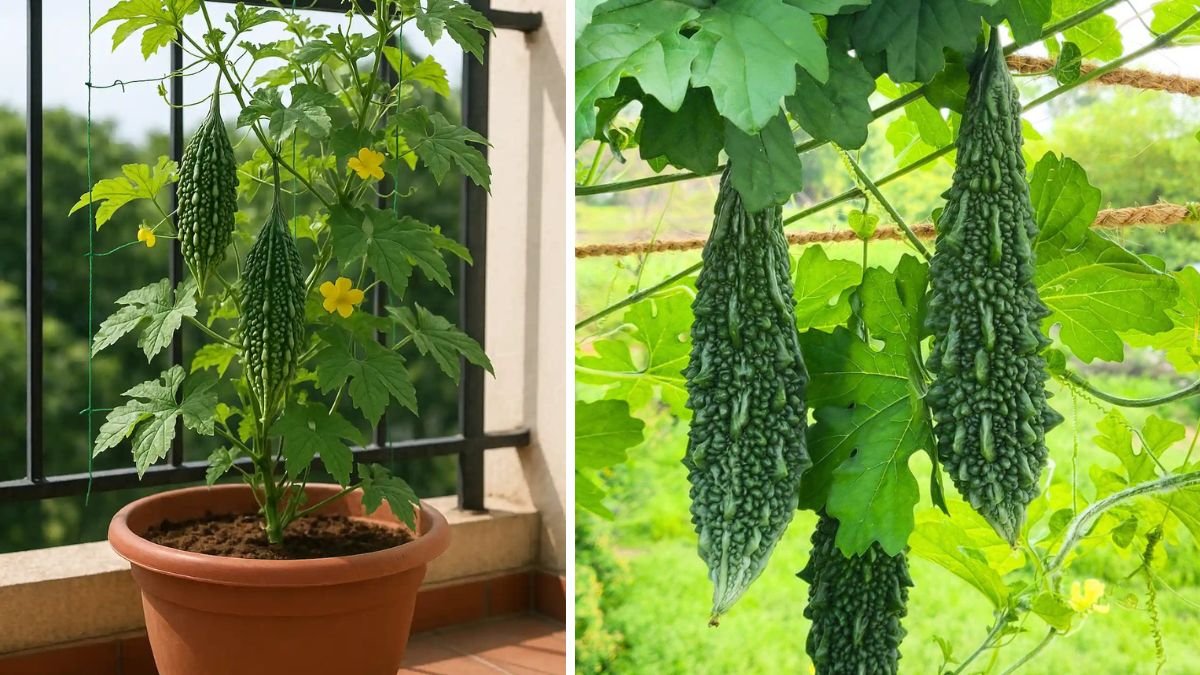

Growing vegetables in urban settings presents unique challenges and opportunities, particularly for those limited by space. Among the many delicious and nutritious options available, hybrid bitter gourd (Momordica charantia), also known as bitter melon, stands out as a favorite for its distinctive taste and health benefits. This guide provides everything you need to know about successfully growing hybrid bitter gourd in pots, ensuring urban gardeners can enjoy fresh produce right from their balconies or patios.
Understanding Hybrid Bitter Gourd
What is Bitter Gourd?
Bitter gourd is a tropical vine with a jagged, green fruit known for its unique bitter flavor. It is commonly used in Asian cuisines and is valued for its medicinal properties, particularly in managing blood sugar levels. The hybrid varieties often offer improved yields, disease resistance, and a milder taste compared to traditional types.
Benefits of Growing Hybrid Bitter Gourd
-
Nutritional Value: Rich in vitamins A and C, iron, and antioxidants, bitter gourd is known for its various health benefits, particularly in controlling diabetes.
-
Compact Growth: Hybrid varieties tend to grow more compactly, making them suitable for container gardening, especially in small urban spaces.
-
Continuous Harvest: With the right care, hybrids can produce fruit throughout the growing season, providing a continuous supply of fresh vegetables.
Choosing the Right Variety
When selecting a hybrid bitter gourd variety for pot cultivation, consider the following:
-
Space: Look for varieties that are described as compact or bush-type. These will thrive in pots without requiring extensive trellising.
-
Taste Preferences: Some hybrids offer a milder flavor, which can be more palatable for those new to bitter gourd.
-
Disease Resistance: Opt for hybrids that are resistant to common diseases such as powdery mildew and aphids.
Getting Started: Supplies You’ll Need
-
Containers: Choose a pot that’s at least 12-16 inches deep and wide. Ensure it has drainage holes to prevent waterlogging.
-
Soil: A well-draining potting mix with a pH range of 6.0 to 6.5 is ideal. Consider adding compost or well-rotted manure to enrich the soil.
-
Seeds or Seedlings: Purchase quality hybrid seeds or seedlings from a reputable nursery.
-
Fertilizer: Use a balanced, slow-release fertilizer or organic options like fish emulsion or compost tea to nourish the plants throughout their growth.
-
Trellis (optional): If growing a vine variety, have a small trellis or support structure ready for the plant to climb.
Step-by-Step Growing Process
1. Sowing Seeds or Transplanting Seedlings
- Seeds: Soak the seeds in water for 24 hours to enhance germination. Directly plant them 1 inch deep in the prepared potting mix. Space them 12 inches apart.
- Seedlings: If you purchase seedlings, transplant them into the pot after the last frost when the seedlings are about 3-4 inches tall.
2. Watering
- Initial Watering: After planting, water the soil thoroughly, ensuring it is evenly moist but not soggy.
- Ongoing Watering: Keep the soil consistently moist during the growing season. Water deeply twice a week, increasing frequency during hot weather.
3. Sunlight Requirements
Bitter gourd thrives in full sunlight. Position pots in an area that receives at least 6-8 hours of direct sunlight daily. If sunlight is limited, consider using reflective surfaces to maximize light exposure.
4. Fertilizing
Fertilization is crucial for healthy growth:
- Initial Fertilization: Incorporate a slow-release fertilizer into the potting mix at planting.
- Ongoing Fertilization: Feed the plants with a high-potassium liquid fertilizer every 3-4 weeks when fruiting begins. This promotes flowering and fruit set.
5. Pruning
Regular pruning helps improve air circulation and light penetration, resulting in healthier plants:
- Prune: Remove yellowing leaves and any dead stems. Pinch back growing tips to encourage bushier growth and prevent overcrowding.
6. Pest and Disease Management
In urban gardens, pests like aphids, spider mites, and whiteflies can be problematic. Implement the following strategies:
- Monitoring: Regularly inspect your plants for signs of pests.
- Natural Controls: Use neem oil or insecticidal soap to control infestations. You can also introduce beneficial insects like ladybugs.
7. Harvesting
Bitter gourd reaches maturity around 60-90 days after planting, depending on the variety. The fruits are typically ready for harvest when they are firm and about 5-7 inches long.
- Harvesting Technique: Use scissors or pruning shears to cut the fruit from the vine, as twisting may damage the plant.
Seasonal Care
Spring and Summer
- Watering: Increase watering frequency during hotter months to avoid stress.
- Fertilizing: Regularly apply fertilizer to support fruit development.
Autumn
In cooler climates, be mindful of frost. If temperatures begin to dip:
- Protection: Bring pots indoors during frost or cover them at night.
- Last Harvest: Make the most out of the season by harvesting any remaining fruits.
Winter
In regions with harsh winters, bitter gourd is usually grown as an annual.
- Cleanup: Once the plants have finished fruiting, remove them from the pots to avoid pests overwintering in your outdoor space.
Troubleshooting Common Issues
-
Poor Fruit Set: This could be due to inadequate pollination or nutrient imbalance. Hand pollination may be required, or adjust your fertilizer regimen.
-
Excessive Bitterness: If the fruit becomes excessively bitter, ensure you’re harvesting at the right time and not letting them overripe on the vine.
-
Yellowing Leaves: This may indicate nutrient deficiencies or root problems. Assess your watering schedule and consider a soil test for pH or nutrient levels.
FAQs
Q1: Can I grow bitter gourd in a small pot?
Yes, a 12-16 inch pot is sufficient for growing bitter gourd. Choose compact or bush varieties for the best results.
Q2: How often should I water bitter gourd?
Water deeply twice a week, increasing frequency during hot weather.
Q3: Is bitter gourd difficult to grow?
Not at all! With proper care regarding sunlight, watering, and nutrition, hybrid bitter gourd can be easily grown in pots by beginners and experienced gardeners alike.
Q4: Can I grow bitter gourd indoors?
Yes, with sufficient sunlight (6-8 hours), bitter gourd can be grown indoors, ideally near a south-facing window or under grow lights.
Q5: What are the best companion plants for bitter gourd?
Bitter gourd benefits from companionship with plants like marigolds, which deter pests, and legumes that help improve soil nitrogen levels.
Q6: How do I store harvested bitter gourd?
Bitter gourd can be stored in the refrigerator for up to a week. Wrap it in a paper towel and place it in a perforated plastic bag for longer freshness.
Conclusion
Growing hybrid bitter gourd in pots for urban gardens is a rewarding endeavor that not only enhances your culinary options but also contributes to a healthier lifestyle. By understanding your plants’ needs and following the steps outlined in this guide, you can enjoy a bountiful harvest in even the smallest of spaces. Embrace the wonders of urban gardening, and make space on your balcony or patio for this nutrient-rich vegetable. Happy gardening!