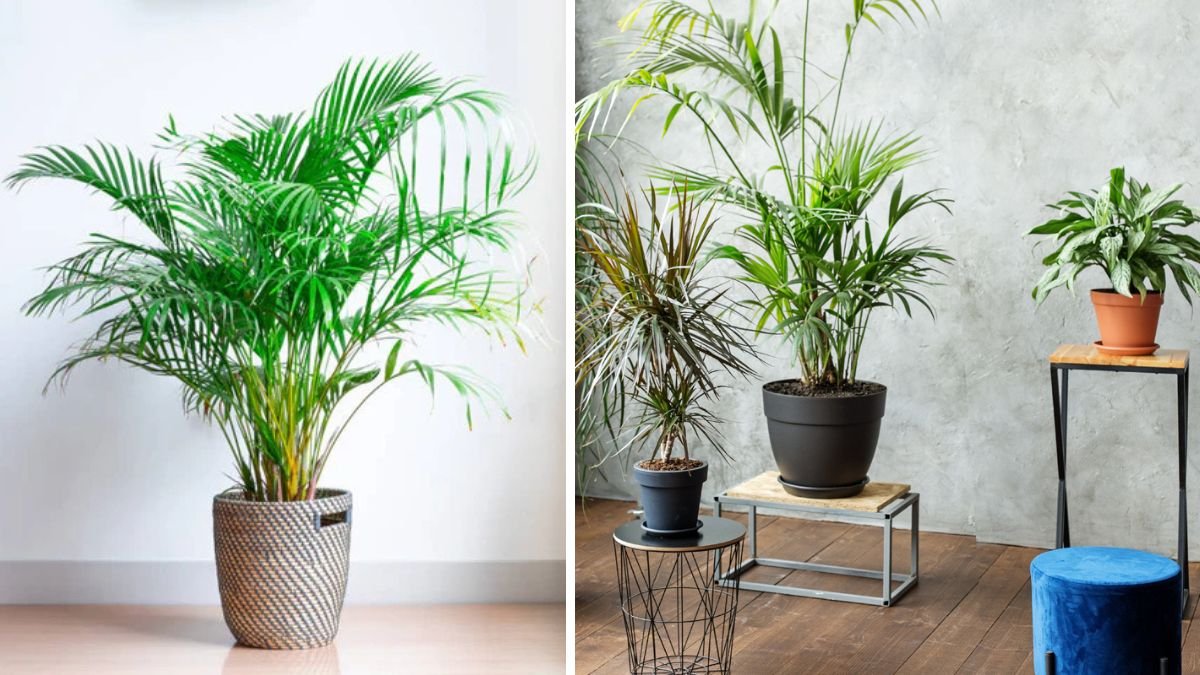

Indoor palm plants bring a sense of calm, warmth, and tropical beauty into any space. With their graceful fronds and upright growth, palms can transform living rooms, offices, and bedrooms into lush indoor retreats. While they may look exotic, indoor palms are not difficult to care for once you understand their basic needs. The key lies in providing the right balance of light, water, humidity, temperature, and ongoing maintenance.
This foolproof guide to indoor palm plant care walks you through everything you need to know to keep your palm healthy, vibrant, and thriving for years.
Why Indoor Palms Are So Popular
Palms are favored as houseplants because they combine visual impact with practical benefits. Many varieties are long-lived, slow-growing, and adaptable to indoor environments. Their feathery or fan-shaped fronds soften hard interiors and create a natural focal point in a room. In addition, palms are often praised for improving indoor air quality and contributing to a more relaxing atmosphere.
Despite their tropical origins, most common indoor palms are surprisingly forgiving, making them suitable for both beginners and experienced plant owners.
Understanding the Light Needs of Indoor Palms
Light is one of the most important factors in successful indoor palm plant care. Most palms thrive in bright, indirect light, which mimics the filtered sunlight they receive in their natural habitats beneath taller trees.
Placing a palm near an east- or west-facing window is ideal. South-facing windows can also work if the light is softened with sheer curtains. Direct sunlight hitting the fronds for long periods can cause leaf scorch, while insufficient light may result in slow growth, pale leaves, or stretched stems.
Some palms, such as parlor palms and kentia palms, tolerate lower light levels better than others, though growth may be slower. Regularly rotating the plant helps ensure even growth on all sides.
Watering Palms the Right Way
Improper watering is the most common reason indoor palms struggle. Palms prefer consistently moist soil but are highly sensitive to overwatering. Roots sitting in soggy soil can quickly develop rot, which is often fatal.
A reliable approach is to allow the top one to two inches of soil to dry out before watering again. When you do water, do so thoroughly until excess water drains from the bottom of the pot. Always empty the saucer afterward to prevent standing water.
During winter months, when growth slows, palms typically need less frequent watering. In warmer months, especially during active growth, watering may need to be increased slightly. Paying attention to the soil rather than following a rigid schedule leads to better results.
Temperature: Keeping Conditions Stable
As tropical plants, palms prefer warm, stable temperatures. Most indoor palms thrive between 65 and 80°F (18–27°C). They do not tolerate cold well and can be damaged by temperatures below 55°F (13°C).
Avoid placing palms near drafty windows, exterior doors, air conditioners, or heating vents. Sudden temperature changes can stress the plant, leading to leaf browning or drop. Maintaining a consistent indoor climate is especially important during winter.
The Importance of Humidity
Humidity plays a major role in indoor palm plant care. Palms naturally grow in humid environments, and dry indoor air—particularly during winter—can cause brown leaf tips, crispy edges, and dull-looking fronds.
Ideally, palms prefer humidity levels between 40 and 60 percent. If indoor air is dry, there are several ways to increase moisture around the plant:
- Use a humidifier near the palm
- Place the pot on a tray filled with pebbles and water
- Group palms with other houseplants to create a humid microclimate
- Lightly mist the leaves in the morning
Consistent humidity helps palms maintain lush, healthy foliage.
Choosing the Right Soil and Pot
Well-draining soil is essential for palm health. A standard houseplant potting mix amended with perlite, sand, or peat moss works well. The goal is to retain some moisture while allowing excess water to drain freely.
Palms generally prefer being slightly root-bound, so they do not need frequent repotting. Repotting is usually only necessary every two to three years or when roots begin emerging from drainage holes and growth slows noticeably.
When repotting, choose a container only one to two inches larger in diameter than the current pot. Oversized pots hold excess moisture and increase the risk of root problems.
Fertilizing Indoor Palms
Palms benefit from light, regular feeding during the growing season. Use a balanced, slow-release fertilizer or a liquid fertilizer diluted to half strength. Feeding once a month in spring and summer is usually sufficient.
Avoid fertilizing in fall and winter when growth naturally slows. Over-fertilizing can cause leaf burn, salt buildup in the soil, and root damage. Less is more when it comes to feeding palms.
Pruning and Routine Maintenance
Indoor palms require minimal pruning. Only remove fronds that are completely brown or dead. These fronds no longer contribute to photosynthesis and can be cut cleanly at the base using sharp, sanitized scissors or pruners.
Never remove green or partially green fronds, even if they have brown tips. Healthy fronds are vital to the plant’s energy production, and removing them can weaken the palm.
Occasionally wiping dust from the leaves with a damp cloth helps improve light absorption and keeps the plant looking fresh.
Common Pests and How to Handle Them
Although generally hardy, indoor palms can occasionally attract pests such as spider mites, mealybugs, and scale insects. These pests are more common in dry conditions and on stressed plants.
Regularly inspect the undersides of leaves and stems. Early signs include tiny webbing, sticky residue, or small white or brown bumps. If pests appear, treat promptly with insecticidal soap, neem oil, or gentle wiping with a diluted alcohol solution.
Maintaining proper humidity and overall plant health is the best defense against infestations.
Popular Indoor Palm Varieties
Several palm species are particularly well-suited to indoor environments:
- Parlor Palm: Compact, slow-growing, and tolerant of low light, making it ideal for beginners.
- Areca Palm: Known for feathery fronds and air-purifying qualities, it prefers bright indirect light.
- Kentia Palm: Elegant and adaptable, thriving in a range of indoor conditions.
- Lady Palm: Fan-shaped leaves and strong structure make it a durable, decorative option.
Each variety has slight differences in care, but the fundamental principles remain the same.
Troubleshooting Common Palm Problems
Brown leaf tips often signal low humidity, inconsistent watering, or mineral buildup from tap water. Yellowing leaves can indicate overwatering or poor drainage. Slow growth may point to insufficient light or depleted nutrients.
Addressing these issues early prevents long-term damage. Observing your palm regularly helps you adjust care before problems worsen.
Final Thoughts
Indoor palms reward attentive care with years of beauty and presence. By providing bright, indirect light, balanced watering, warm temperatures, adequate humidity, and occasional maintenance, you can enjoy healthy, vibrant palms that elevate your indoor space.
With this foolproof guide to indoor palm plant care, palms no longer need to feel intimidating. Once their basic needs are met, these elegant plants become reliable, long-lasting companions—bringing a touch of the tropics into your home all year round.