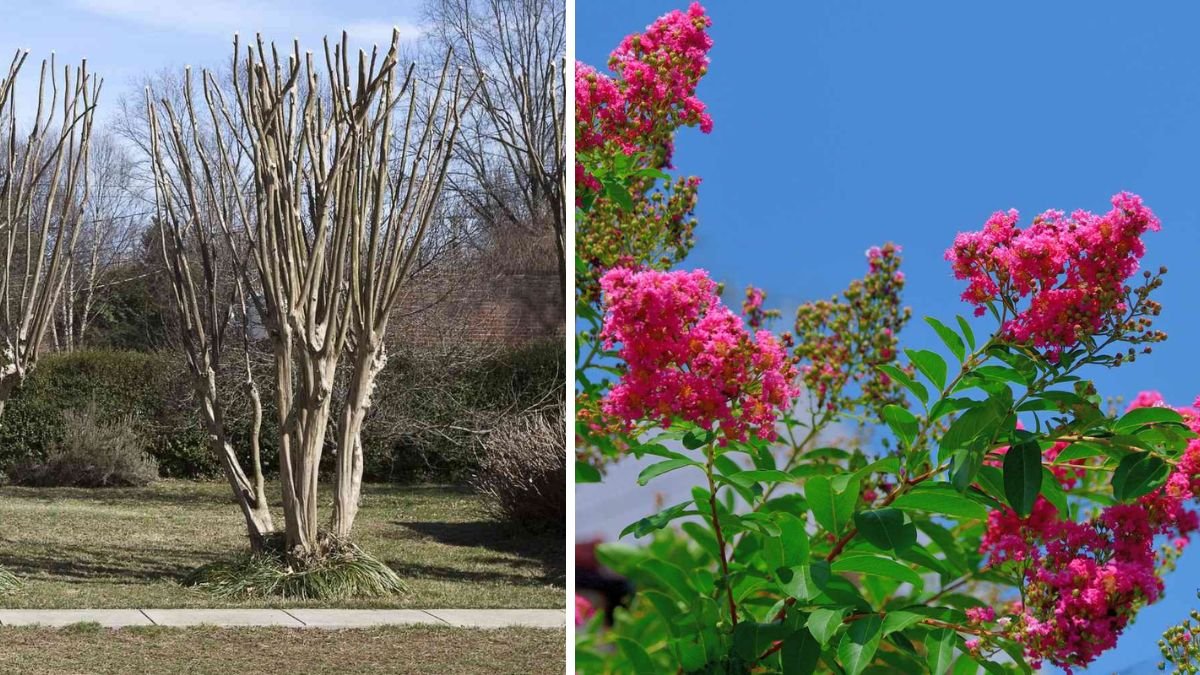

Crepe myrtles are a staple in gardens and landscapes for their stunning summer blooms, attractive bark, and long-lasting visual appeal. However, achieving both healthy growth and abundant flowers requires proper pruning. Knowing when to prune crepe myrtles is essential to prevent damage, promote vigorous growth, and encourage beautiful blooms. (blog.natureplusme.com)
Pruning at the wrong time can lead to reduced flowering, frost damage to new growth, or a weakened structure. This guide explains the optimal timing, proper techniques, common mistakes to avoid, and tips for maintaining your crepe myrtles throughout the year.
Why Pruning Crepe Myrtles Matters
Pruning serves several critical purposes:
- Removes Dead or Diseased Wood – Cutting away broken or diseased branches reduces the risk of pests and diseases. (angi.com)
- Encourages Vigor and Blooming – Proper pruning stimulates new growth that produces more flowers. (blog.natureplusme.com)
- Maintains an Attractive Shape – Strategic pruning ensures a balanced canopy and aesthetically pleasing structure. (gardeneros.com)
- Improves Airflow and Light Penetration – Opening up the canopy reduces the risk of disease and helps leaves and flowers thrive. (angi.com)
Proper timing is crucial. Pruning at the wrong moment can remove potential flower buds, stimulate weak growth, or leave tender shoots vulnerable to frost. (flowersgeek.com)
Best Time to Prune Crepe Myrtles
Late Winter to Early Spring: The Optimal Window
Experts recommend pruning crepe myrtles late winter to early spring, just before the plant breaks dormancy. At this time, the tree’s energy is focused on new growth, which will become the summer flowers. (blog.natureplusme.com)
- Timing: Typically between January and early March, depending on local climate. (gardeneros.com)
- Benefits: Pruning before buds develop preserves flower potential and allows cuts to heal as growth resumes.
- Visibility: Leafless branches make it easier to see the structure and make precise cuts.
Avoid Pruning in Fall or Late Summer
Pruning during fall or late summer can trigger tender new growth that may be damaged by frost. Late-season pruning also removes buds that would otherwise bloom the following summer. (gardeneros.com)
Summer pruning should be limited to removing suckers or dead wood. Heavy pruning during growing months reduces flowering and weakens the plant. (trees.com)
How to Prune Crepe Myrtles Correctly
Proper technique is just as important as timing. Here’s how to prune for health and beauty:
1. Remove Dead or Diseased Branches
Identify and cut away broken, diseased, or dead branches. This helps prevent disease spread and encourages the tree to focus energy on healthy growth. (angi.com)
2. Thin the Interior
Remove interior branches to improve airflow and light penetration. This reduces the risk of fungal diseases and allows flowers and leaves to thrive. (thesadtomato.com)
3. Eliminate Crossing or Rubbing Branches
Branches that cross or rub together can cause wounds and invite disease. Remove these branches to maintain the tree’s natural structure. (thesadtomato.com)
4. Shape Gently
Avoid drastic cutting back to stubs, a practice known as “crepe murder.” Instead, focus on maintaining the natural shape and balance of the tree. (gardeneros.com)
Common Pruning Mistakes
“Crepe Murder”
Severe cutting of the main branches damages the tree’s natural form, encourages weak growth, and reduces flowering. (gardeneros.com)
Removing Too Much Canopy
Cutting more than 25% of the canopy in a season stresses the tree and can slow growth. (freeplantscare.com)
Pruning Wet Branches
Avoid pruning when the tree is wet, as this increases the risk of bacterial or fungal infection. (freeplantscare.com)
Deadheading and Summer Maintenance
While major pruning should occur in late winter, light maintenance during the growing season is beneficial:
- Deadhead Spent Blooms – Removing old flowers can encourage a secondary bloom. (biologyinsights.com)
- Remove Suckers or Water Sprouts – Any undesirable shoots can be cut anytime to direct energy into the main canopy. (angi.com)
Avoid heavy pruning in summer to prevent flower loss and stress.
Expert Tips for Healthier Growth
- Use Sharp, Clean Tools – Prevents damage and reduces the risk of spreading disease. (casciolidesigns.com)
- Focus on Branch Structure – Maintain a few strong, well-spaced branches for better form and airflow. (thesadtomato.com)
- Complement with Care – Proper watering, mulching, and light fertilization support healthy growth. Mulch helps conserve moisture and regulate soil temperature. (growplant.org)
Authoritative Sources
For additional guidance, consult these expert resources:
- Southern Living – When to Prune Crepe Myrtles – Practical advice for timing and techniques. (southernliving.com)
- Better Homes & Gardens – Pruning Tips for Crepe Myrtles – Seasonal pruning and common mistakes. (bhg.com)
- Gardeneros – When Should You Trim Your Crepe Myrtle Trees? – Focuses on late winter pruning benefits. (gardeneros.com)
- Trees.com – Crepe Myrtle Pruning Guide – Detailed insights for ongoing care. (trees.com)
Conclusion
Knowing when to prune crepe myrtles ensures healthy growth, abundant blooms, and a well-shaped canopy. Late winter to early spring is the optimal time for major pruning, while light deadheading and removal of suckers can be done throughout the growing season. Avoid drastic “crepe murder” and summer cuts to maintain the natural beauty and flowering potential of your trees.
With proper timing, technique, and ongoing care, your crepe myrtles will reward you year after year with vibrant flowers, strong structure, and an elegant presence in your landscape.