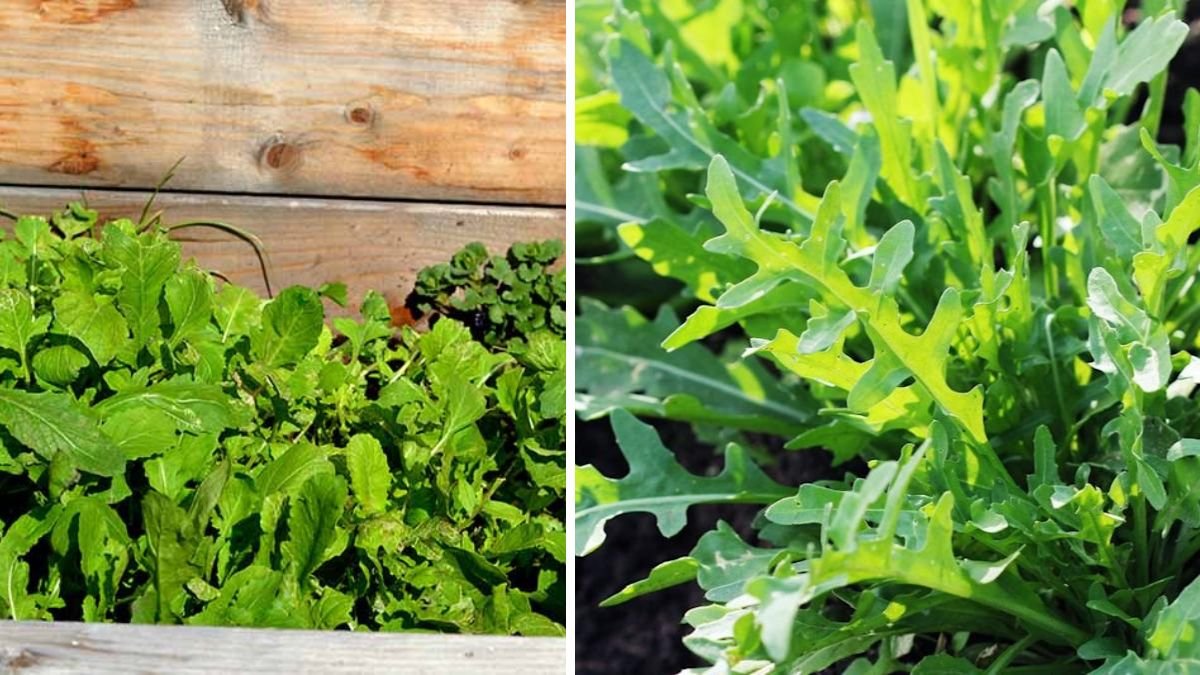

Discover 9 hardy salad greens that thrive in winter, even in warmer zones. Learn planting tips, care advice, and how to enjoy fresh, homegrown greens all season long. [FOCUS KEYWORD]
Winter doesn’t have to mean the end of fresh greens in your garden. For gardeners in warmer zones, the idea of a winter garden may seem unnecessary, but growing hardy salad greens during the cooler months can provide nutritious, flavorful leaves when store-bought options are limited or lack freshness. With the right selection of crops and a few gardening strategies, you can keep your garden productive throughout the winter.
This article will introduce nine hardy salad greens perfect for winter gardening, explain why they work well in warmer zones, and provide practical tips for a year-round harvest.
Why Grow Salad Greens in Winter?
Even in warmer USDA zones, winter temperatures can slow plant growth. However, many salad greens are naturally cold-tolerant and can withstand light frost or chilly nights. Growing your own winter greens allows you to:
- Enjoy fresh, nutrient-dense leaves even in colder months.
- Reduce grocery bills by harvesting from your backyard.
- Extend your garden’s productivity beyond summer crops.
- Experiment with unique varieties not always available in stores.
Experts emphasize that choosing hardy, frost-tolerant varieties and providing minor winter protection can make all the difference. Even simple row covers or containers in sunny spots can protect tender leaves and keep them growing. (Gardeners Path)
9 Hardy Salad Greens for Winter Gardening
Here’s a detailed guide to nine greens that thrive in winter, even in warmer zones.
1. Arugula
Arugula is a fast-growing, peppery green that thrives in cool weather. It tolerates temperatures as low as −2°C, making it perfect for early winter planting. Arugula is versatile in salads, sandwiches, and pestos. Because it germinates quickly, succession planting every 2–3 weeks ensures a continuous harvest.
2. Lamb’s Lettuce (Mâche)
Known for its delicate, mild flavor, lamb’s lettuce is extremely cold-tolerant and forms compact rosettes. It survives snow and light frosts, making it ideal for winter salads. Lamb’s lettuce prefers partial shade and moist, well-drained soil. (Gardeners Path)
3. Mizuna
This Japanese mustard green grows well in low-light winter conditions and adds a crunchy, slightly peppery flavor to salads. Mizuna can be harvested continuously by picking outer leaves, allowing the inner rosette to grow. It is also resistant to pests that commonly affect other greens.
4. Salad Burnet
Salad burnet has a refreshing cucumber-like taste and is a perennial green that remains productive in mild winter conditions. Its leaves can be used fresh in salads or as a garnish for soups and stews. Minimal maintenance and drought tolerance make it perfect for low-effort winter gardening.
5. Spinach
Spinach is a classic winter green known for its hardiness and nutritional value. Cold-tolerant varieties can survive frost and often develop sweeter leaves after a cold snap. Spinach prefers fertile, well-drained soil and benefits from mulching to maintain soil moisture and temperature during winter.
6. Watercress
Watercress thrives in damp, partially shaded spots or containers with consistent moisture. Its slightly peppery flavor adds depth to salads, sandwiches, and smoothies. Watercress grows best when temperatures are cooler, making it an excellent winter garden choice for warmer zones. (AOL Lifestyle)
7. Winter Purslane (Miner’s Lettuce)
Winter purslane, also called miner’s lettuce, produces succulent, spinach-like leaves even in cooler weather. This hardy green is self-seeding, low-maintenance, and can be harvested throughout the winter months. It prefers well-drained soil and partial sun, making it an excellent companion for other winter crops. (EarthEasy)
8. Kale
Kale is widely regarded as one of the most winter-hardy greens. Its flavor often improves after exposure to frost, making it sweeter and more tender. Kale grows well in containers or garden beds and can be harvested continuously by picking outer leaves. It is also nutrient-dense, high in vitamins A, C, and K, and perfect for winter salads, soups, and smoothies. (Hydronurture)
9. Endive
Endive is a crisp, slightly bitter green that grows well in cooler weather. It thrives better than many lettuce varieties during winter and can be harvested late into the season if protected with row covers or cold frames. Endive adds texture and flavor to mixed salads and pairs beautifully with citrus or nuts.
Winter Gardening Tips for Warmer Zones
Even in warmer zones, winter gardening requires a few strategic approaches to maximize harvests.
Start Early
Sowing seeds in late summer or early fall ensures plants are well-established before winter sets in. Cooler temperatures slow growth, so early planting gives greens enough time to mature and produce continuous harvests.
Use Protective Coverings
Row covers, cloches, or cold frames protect tender leaves from unexpected frost or chilling winds. Even lightweight fabric covers can extend the growing season and maintain plant health. (Gardeners Path)
Choose the Right Site
Select sunny, well-drained locations to prevent frost damage and waterlogging. Raised beds or containers also help regulate soil temperature and drainage.
Succession Planting
Planting seeds every 2–3 weeks ensures a steady supply of fresh greens throughout the season. This technique prevents a single, overwhelming harvest and allows continuous production until spring.
Soil Fertility
Winter crops benefit from fertile soil rich in organic matter. Incorporate compost or well-rotted manure before planting to provide essential nutrients. Avoid excessive nitrogen, which can make greens overly tender and more prone to pests.
Benefits of Winter Salad Greens
Growing winter greens in warmer zones is not just about extending your garden’s productivity. These hardy greens offer several advantages:
- Nutritional value: Many winter greens like kale, spinach, and arugula are high in vitamins, minerals, and antioxidants.
- Culinary diversity: Fresh winter greens allow for salads, soups, stir-fries, smoothies, and garnishes year-round.
- Cost-effective: Home-grown greens reduce reliance on store-bought vegetables, saving money while ensuring quality.
- Sustainable gardening: Growing winter crops reduces seasonal food miles and promotes local, organic eating.
Authoritative Sources for Winter Gardening
To ensure your winter garden thrives, consult these trusted sources:
- Almanac – Guides for winter planting and cold-weather crops (almanac.com)
- The Spruce – Practical planting dates and winter care tips (thespruce.com)
- Mother Earth News – Expert techniques for cold-weather gardening (motherearthnews.com)
- Times of India – Home Garden – Easy winter salad green tips (timesofindia.indiatimes.com)
Conclusion
Winter gardening in warmer zones is not only possible, but it can also be enjoyable, sustainable, and highly rewarding. By selecting hardy greens like arugula, spinach, kale, and endive, providing minimal frost protection, and using techniques like succession planting, you can enjoy fresh, healthy, homegrown salad greens throughout the colder months.
Whether you’re growing in raised beds, containers, or traditional garden plots, these tips and greens will ensure your winter garden thrives. Start planning now, and savor the flavor of garden-fresh leaves when most others rely on store-bought options.