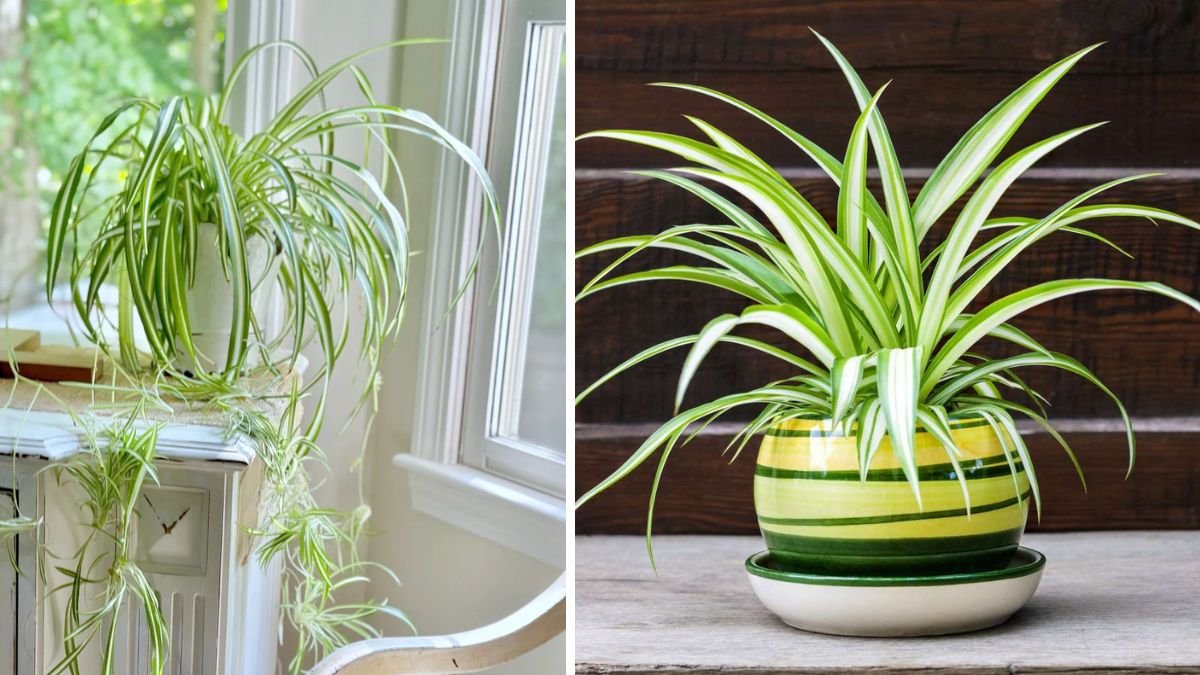

Spider plants (Chlorophytum comosum) are among the most popular indoor plants due to their resilience, vibrant foliage, and air-purifying qualities. Yet, winter poses unique challenges for these plants. Reduced sunlight, lower humidity, cooler temperatures, and irregular watering can lead to stress, brown tips, or slowed growth. Knowing how to keep your spider plant healthy during winter is essential for maintaining its lush appearance and preventing common issues. (aol.com)
This guide provides expert advice on winter care, from adjusting light and water to monitoring for stress, managing humidity, and preventing pests.
Understanding Spider Plant Needs in Winter
Spider plants naturally slow down their growth during colder months. They enter a semi-dormant state, which means they require less water and nutrients, but still need proper environmental conditions to thrive. (florasense.com)
Ignoring these needs can result in yellowing leaves, browning tips, or pest infestations. By understanding how spider plants respond to winter conditions, you can adjust care routines to match their seasonal requirements.
Provide Adequate Light
Light is one of the most critical factors for spider plant health in winter. Shorter days and lower sun angles mean less natural light reaches your indoor plants. Spider plants thrive in bright, indirect light, and lack of light can cause slow growth or pale leaves.
Tips for providing light:
- Place the plant near an east- or north-facing window for bright, filtered light.
- Avoid direct midday sun, which can scorch leaves.
- If natural light is insufficient, use supplemental grow lights to maintain photosynthesis.
- Rotate the plant every few weeks to promote even growth. (aol.com)
Providing consistent light helps spider plants maintain vibrant green foliage and prepares them for robust growth in spring.
Adjust Watering Practices
Overwatering is one of the most common mistakes during winter. Because spider plants grow more slowly in lower light and cooler temperatures, they require less water.
Winter watering tips:
- Check the top inch of soil; only water if dry.
- Ensure the pot has drainage holes to prevent standing water.
- Water less frequently than in spring or summer, typically every 1–2 weeks. (plants.sorumatik.co)
Proper watering prevents root rot and keeps your plant’s foliage vibrant and healthy.
Maintain Ideal Temperature
Spider plants thrive in temperatures between 65°F and 75°F (18–24°C). Sudden temperature drops or exposure to drafts from windows and doors can stress the plant, leading to browning leaf tips or leaf drop. (florasense.com)
Temperature care tips:
- Keep plants away from cold drafts or unheated areas.
- Avoid placing them near radiators or heaters, which dry out air quickly.
- Consider using a humidifier or placing a pebble tray with water to counteract dry heat. (thespruce.com)
Stable temperatures allow spider plants to maintain health and prepare for active growth in spring.
Increase Humidity
Indoor heating often lowers humidity, causing spider plants to develop brown leaf tips or dry edges. Maintaining moderate humidity (40–60%) is key for winter health. (idyl.co.in)
Ways to increase humidity:
- Use a humidifier near the plant.
- Group spider plants with other houseplants to create a microclimate.
- Place the pot on a pebble tray with water to allow evaporation.
- Mist leaves occasionally, avoiding over-saturation.
By improving humidity, you reduce stress on foliage and prevent dry leaf tips.
Pause Fertilization in Winter
Since spider plants grow slowly in winter, fertilizing during dormancy can cause harm. Excess nutrients can lead to weak, leggy growth and potential salt buildup in soil.
Tip: Resume fertilization in spring when active growth resumes. (aol.com)
Monitor for Stress and Damage
Regularly inspect your spider plant to detect early signs of stress. Common winter issues include:
Too Little Light
- Symptoms: pale or drooping leaves, slow growth.
- Solution: move to brighter locations or add grow lights. (aol.com)
Overwatering
- Symptoms: yellowing lower leaves, soft stems, soil remaining wet.
- Solution: reduce watering and ensure proper drainage. (aol.com)
Low Humidity
- Symptoms: browning tips, dry edges.
- Solution: increase humidity through misting, pebble trays, or humidifiers. (idyl.co.in)
Prompt adjustments prevent long-term damage and ensure plant resilience.
Prevent Pests and Disease
Indoor winter environments can promote spider mites, aphids, and mealybugs. Regular inspection is critical, especially on leaf undersides where pests hide.
Pest prevention tips:
- Wipe leaves with a soft, damp cloth to remove dust and potential pests.
- Treat infestations early with mild insecticidal soap or neem oil.
- Maintain good air circulation and proper humidity to reduce pest populations naturally. (biologyinsights.com)
Early detection protects the plant from damage and prevents spread to other houseplants.
Avoid Repotting in Winter
Winter is not ideal for repotting unless the plant shows signs of being severely root-bound. Cold, slower-growing roots are less able to adjust to new soil or pots. Repotting should wait until spring, when growth accelerates and the plant can recover more easily. (timesofindia.indiatimes.com)
Additional Winter Care Tips
- Rotate for Balanced Growth: Turn the plant every few weeks to ensure even light exposure. (aol.com)
- Clean Leaves: Dust can block light; wipe leaves gently with a damp cloth monthly. (thescottishsun.co.uk)
- Avoid Direct Heat: Keep plants away from vents, radiators, or heaters to prevent dehydration. (biologyinsights.com)
Suggested Authoritative Sources
- Almanac – Spider Plant Winter Care (gardeningeasy.com)
- The Balcony Garden EU (thebalconygarden.eu)
- FloraSense Spider Plant Guide (florasense.com)
- Martha Stewart – Spider Plant Winter Tips (marthastewart.com)
Final Thoughts
Caring for spider plants in winter requires adjusting light, watering, humidity, and monitoring for stress. By providing adequate indirect light, reducing water, maintaining moderate humidity, and checking for pests, your spider plant will remain vibrant and healthy throughout the colder months.
Following these expert tips ensures your spider plant not only survives winter but thrives, ready to flourish in spring with lush foliage and strong growth.