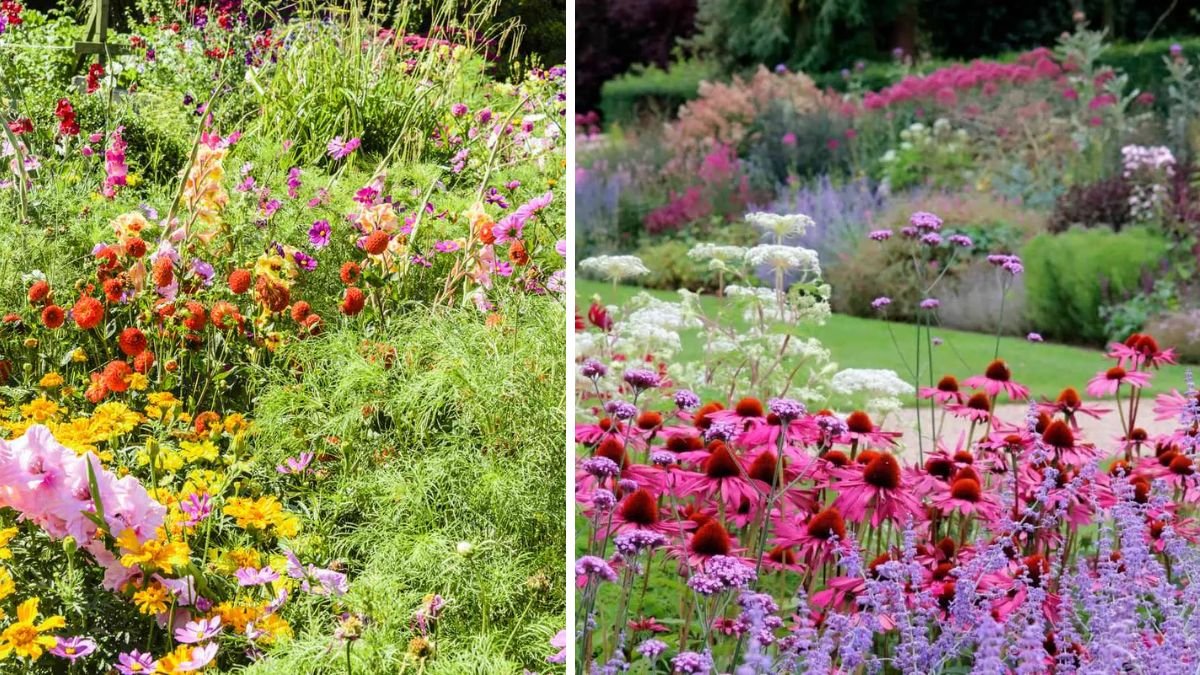

Wildflower gardens are having a well-deserved moment—and it’s easy to see why. They’re colorful, eco-friendly, pollinator-supporting, and far less demanding than traditional lawns or formal flower beds. Best of all, a well-planned wildflower garden doesn’t require constant watering, fertilizing, or pruning.
According to gardening experts, the secret to success isn’t intensive care—it’s smart preparation and realistic expectations. When wildflowers are planted in the right place and allowed to grow naturally, they create a self-sustaining landscape that improves with time. This guide walks you through exactly how to start a low-maintenance wildflower garden, step by step.
Why Choose a Wildflower Garden?
Wildflower gardens offer benefits that go far beyond beauty. Native wildflowers are adapted to local climates, meaning they typically require less water and fewer inputs once established. They also play a vital role in supporting bees, butterflies, birds, and other beneficial wildlife.
In contrast to manicured lawns, wildflower gardens:
- Reduce water usage
- Improve soil health
- Support biodiversity
- Require less mowing and maintenance
Experts agree that even small wildflower patches can make a meaningful environmental impact.
Step 1: Choose the Right Location
The most successful wildflower gardens begin with the right site. Most wildflowers thrive in full sun, requiring at least six hours of direct sunlight daily. Some species tolerate partial shade, but fewer flowers typically appear.
Also consider drainage. Wildflowers prefer soil that drains well and doesn’t stay consistently wet. Low spots that collect water may require soil amendments or different plant selections.
Starting small is perfectly fine. A modest area is easier to manage and allows you to learn what works best in your space.
Step 2: Understand Your Soil (and Don’t Over-Improve It)
One of the biggest misconceptions about wildflowers is that they need rich, heavily amended soil. In reality, many wildflowers perform better in average or even poor soil.
Experts recommend avoiding high-nitrogen fertilizers or excessive compost, which can encourage weeds and lush foliage instead of flowers. Instead, test drainage and remove major debris, but otherwise let the soil remain relatively natural.
If the soil is extremely compacted, lightly loosen the top few inches to help seeds establish.
Step 3: Select the Right Wildflower Mix
Choosing the correct seed mix is crucial. Look for native wildflower mixes specifically designed for your region. Native plants are better adapted to local weather patterns, pests, and soil conditions.
Avoid generic mixes that include non-native or invasive species. Experts also suggest deciding whether you want:
- Annual wildflowers for quick color
- Perennials for long-term results
- A mix of both for immediate and lasting impact
Perennials may take longer to bloom but require less maintenance over time.
Step 4: Prepare the Area Properly
Weed competition is the number-one reason wildflower gardens fail. Before planting, clear the area of existing grass and weeds.
Experts recommend one of these methods:
- Hand-removal for small areas
- Smothering with cardboard or landscape fabric
- Shallow tilling followed by raking
Avoid deep tilling, which can bring dormant weed seeds to the surface. The goal is a clean, loose seedbed with minimal competition.
Step 5: Plant at the Right Time
Timing matters. Most experts recommend sowing wildflower seeds in early spring or late fall, depending on your region.
Fall planting mimics natural seed dispersal and often leads to stronger root development. Spring planting works well if soil temperatures are warming and moisture is consistent.
Scatter seeds evenly, mixing them with sand to improve distribution. Gently press seeds into the soil, but don’t bury them deeply—most wildflower seeds need light to germinate.
Step 6: Water Wisely During Establishment
While wildflower gardens are low-maintenance long term, they do need attention during the first few weeks. Keep the soil lightly moist until seedlings are established.
After the initial growth period, reduce watering significantly. Native wildflowers are adapted to natural rainfall patterns and generally don’t need supplemental watering once established.
Overwatering can weaken roots and encourage weeds.
Step 7: Be Patient With Growth and Blooming
Experts emphasize patience as one of the most important aspects of wildflower gardening. Many perennials focus on root development during their first year and may not bloom until the second season.
This early investment pays off with healthier plants and longer-lasting blooms in future years. Resist the urge to intervene too much—wildflower gardens thrive when allowed to follow their natural rhythm.
Step 8: Mow or Cut Back Once a Year
One of the easiest maintenance tasks is the annual cutback. At the end of the growing season, mow or trim the garden to about 4–6 inches tall.
This helps distribute seeds, prevents woody growth, and prepares the area for new growth in spring. Leave the cut material in place for a few days to allow seeds to drop before removing or composting it.
Step 9: Expect (and Accept) Some Weeds
Even well-planned wildflower gardens may have occasional weeds. Experts recommend minimal intervention—remove aggressive weeds early, but avoid over-weeding.
As wildflowers establish and fill in, they naturally outcompete many unwanted plants. Over time, maintenance needs decrease significantly.
Step 10: Let Nature Do the Work
The final—and most important—expert tip is to step back. Wildflower gardens aren’t meant to look manicured. Their charm lies in their natural, slightly wild appearance.
By resisting the urge to over-control, you allow plants to self-seed, adapt, and thrive with minimal effort.
Final Thoughts
Starting a low-maintenance wildflower garden doesn’t require advanced gardening skills or constant care. According to experts, success comes from thoughtful planning, choosing native plants, and letting nature take the lead.
With the right approach, your wildflower garden will reward you with vibrant blooms, thriving pollinators, and a beautiful landscape that improves year after year—with far less work than traditional gardens