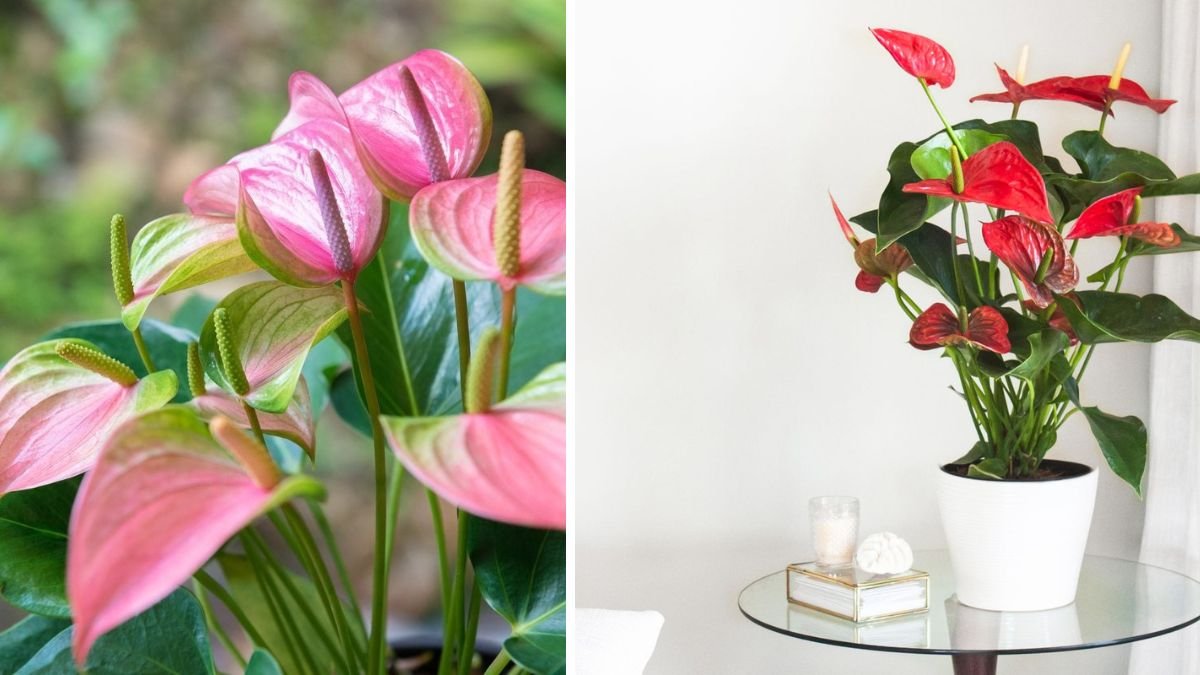

Anthuriums, often called flamingo flowers or tail flowers, are prized for their glossy, heart-shaped leaves and vibrant blooms. They are popular houseplants, but achieving a full, lush appearance requires more than occasional watering and indirect sunlight. These tropical plants thrive in warm, humid environments with well-draining soil and filtered light, and replicating these conditions indoors can dramatically improve your plant’s growth and overall health.
This article compiles expert tips from the latest research and care guides, helping you grow a fuller anthurium plant with vibrant foliage and abundant flowers.
Why Growing a Fuller Anthurium Matters
A fuller anthurium is not just about aesthetics — it’s also healthier. Lush plants have more foliage, stronger stems, and more vibrant flowers, and are less prone to pests or stress. Sparse growth often indicates light deficiencies, improper watering, or low humidity. By mimicking the plant’s natural tropical environment indoors, you can encourage consistent growth, vigorous leaves, and longer-lasting blooms.
1. Provide the Right Light
Anthuriums need bright, indirect light to thrive. Too little light slows growth and reduces flowering, while direct sunlight can scorch the leaves. Place your plant near east or west-facing windows, ideally with sheer curtains to diffuse the sunlight.
For low-light homes or apartments, consider supplementing with LED grow lights to provide the necessary intensity. Regularly rotating the plant ensures even light exposure, which prevents uneven or sparse growth.
Pro Tip: A plant receiving proper light often produces larger, glossier leaves and more flower stalks, contributing to a fuller appearance. (gardeningdream.com)
2. Water Wisely
Watering is one of the most critical factors in achieving a fuller anthurium. These plants prefer consistent moisture without sitting in soggy soil, which can lead to root rot.
Watering tips for fullness:
- Water thoroughly when the top inch of soil feels dry.
- Reduce watering in fall and winter to every 10–14 days.
- Always use pots with drainage holes and remove excess water from saucers.
Using filtered, rain, or distilled water is ideal, as chemicals in tap water can cause leaf tip burn and hinder growth. Proper watering promotes strong root systems, which are the foundation for dense foliage and vibrant blooms. (agrifarming.in)
3. Maintain Warm Temperatures and High Humidity
Anthuriums are tropical plants that thrive in warm, humid environments. For optimal growth:
- Maintain 65–85°F (18–29°C) indoors.
- Avoid cold drafts or air conditioner vents.
- Aim for 60–80% humidity using pebble trays, humidifiers, or regular misting.
High humidity prevents leaf drying, encourages faster growth, and contributes to glossy, full foliage. Regular misting and careful humidity management are particularly important in winter when indoor air tends to be dry. (houseplantalley.com)
4. Use Well-Draining, Nutrient-Rich Soil
The right potting medium supports root development and promotes full, healthy growth. Anthuriums thrive in loose, well-draining soil, ideally a mix of peat moss, orchid bark, and perlite.
Key soil tips:
- Avoid dense or compacted soils, which can suffocate roots.
- Choose a bark-based or aroid-specific mix for long-term health.
- Ensure the mix retains moisture without becoming waterlogged.
A healthy soil environment ensures roots have access to oxygen and nutrients, directly affecting leaf density and plant fullness. (smukhi.nl)
5. Fertilize Regularly
Fertilizing during the growing season promotes larger leaves and more blooms. Use a balanced, water-soluble fertilizer diluted to half strength every 6–8 weeks.
Some growers recommend fertilizers with higher phosphorus to encourage flowering, while micronutrients like magnesium and iron support leaf health. Organic fertilizers, such as fish emulsion or compost tea, are also effective for long-term plant vigor. (gardeningdream.com)
6. Prune for Shape and Growth
Pruning is essential for a full, well-structured plant. Remove yellowing or damaged leaves to redirect energy to healthy stems and new growth.
Pruning tips:
- Use clean, sharp scissors to prevent infection.
- Prune lightly during the growing season.
- Avoid heavy pruning in winter when the plant is semi-dormant.
Regular pruning encourages denser foliage, which contributes to a visually fuller plant. (gardeningdream.com)
7. Monitor and Manage Pests
Even healthy anthuriums can attract spider mites, aphids, and mealybugs, which stunt growth and reduce fullness.
Pest management tips:
- Inspect leaves regularly, including the undersides.
- Treat infestations promptly with neem oil or insecticidal soap.
- Keep leaves clean by wiping them with a damp cloth.
A pest-free plant is healthier, grows faster, and produces denser foliage. (gardeningdream.com)
8. Ensure Proper Airflow
Good air circulation prevents fungal problems and stagnant conditions. A gentle fan on low can mimic natural breezes, which helps leaves and stems remain strong. Avoid placing the plant in direct drafts, which can stress growth.
Proper airflow contributes to overall plant vigor and encourages fuller leaf and flower development. (smukhi.nl)
9. Repot When Needed
Anthuriums should be repotted every 1–2 years or when rootbound. Repotting refreshes soil, provides nutrients, and allows roots to expand, supporting denser foliage and larger blooms.
Repotting tips:
- Choose a slightly larger pot, not oversized.
- Repot during spring or early summer for best results.
- Handle roots gently to avoid damage.
Repotting revitalizes growth and contributes to a full, robust plant structure. (gardeningdream.com)
Why These Tips Work
Anthuriums are native to tropical forests, where warm temperatures, humidity, filtered light, and loose soil support lush growth. By replicating these conditions indoors, you encourage:
- Faster leaf production
- Stronger stems
- Longer-lasting flowers
- Denser, fuller foliage
Following these expert strategies will help your anthurium grow fuller and healthier, enhancing its beauty and lifespan. (smukhi.nl)
Recommended Sources for Further Reading
- HGTV – Anthurium Plant Care Guide – comprehensive indoor care tips. (hgtv.com)
- SMUKHI – Anthurium Care Guidelines – detailed advice on watering, humidity, and pruning. (smukhi.nl)
- Houseplant Alley – Indoor Anthurium Tips – soil, light, and fertilizing advice. (houseplantalley.com)
- GardeningDream – Expert Anthurium Care Tips – pruning, pests, and advanced lighting strategies. (gardeningdream.com)
Final Thoughts
Growing a fuller anthurium is about consistently meeting its tropical needs: bright indirect light, proper moisture, nutrient-rich soil, high humidity, and regular pruning. With these strategies, your plant will develop lush foliage, strong stems, and vibrant flowers.
A well-cared-for anthurium not only beautifies your space but also brings a tropical, vibrant energy indoors. By implementing these expert tips, you can watch your plant transform from sparse to spectacular, becoming a standout feature in your home.