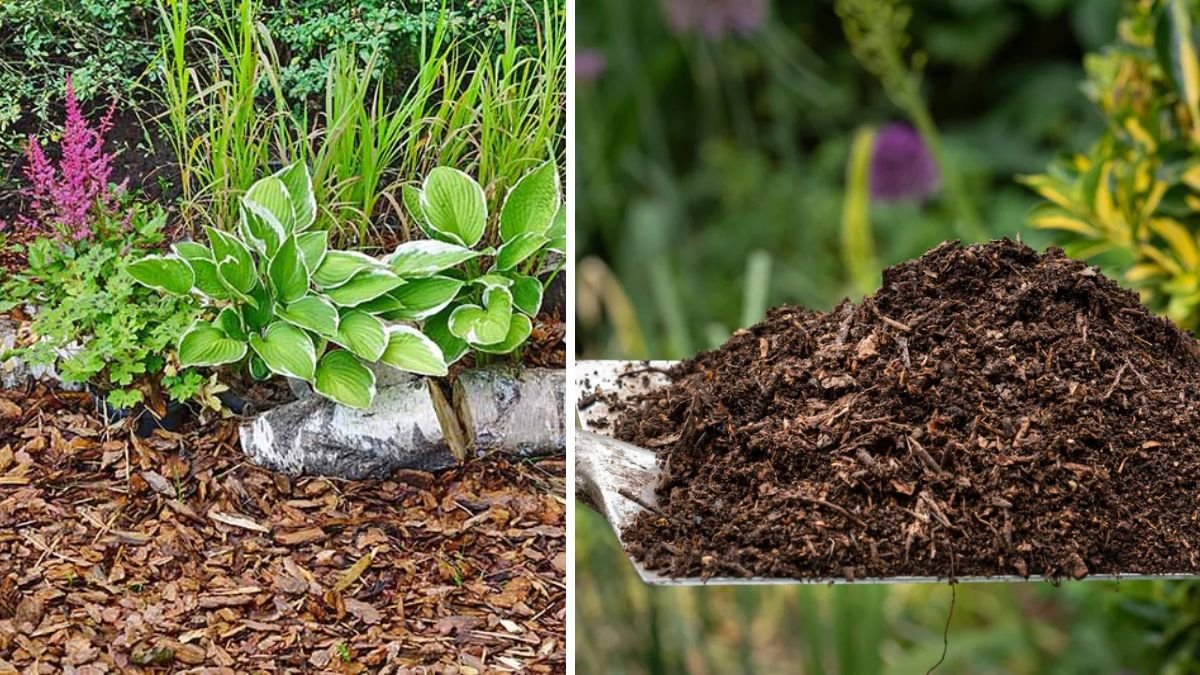

Mulching is often associated with spring planting or autumn garden preparation, but January is an ideal month to assess the health of your garden beds. While winter seems quiet, the soil and plant roots beneath the surface are still vulnerable to cold, frost, and moisture fluctuations. Winter mulch protects soil, conserves moisture, suppresses weeds, and prevents damage from freeze-thaw cycles. Experts now recommend evaluating your garden beds in January to determine if your mulch is still doing its job and whether your plants need a refresh.
If you’ve ever wondered whether your garden beds need mulch during the dead of winter, this guide will explain why mulch remains important in January, highlight the eight key signs that indicate it’s time to add or refresh it, and outline best practices for winter mulching.
Why Mulch Matters in Winter
Mulch is any organic or inorganic material spread over the soil surface to protect plants, improve soil health, and enhance overall garden aesthetics. Organic mulches, such as shredded bark, wood chips, straw, or compost, provide insulation, retain moisture, and slowly break down to feed soil organisms. In winter, mulch moderates soil temperatures, reducing the risk of freeze-thaw cycles that can lift or damage plant roots.
Even in January, mulch serves several essential functions:
- Protecting roots from extreme cold: A layer of mulch acts as an insulating blanket, keeping the soil temperature more stable.
- Reducing soil erosion: Winter rains and melting snow can wash soil away, but mulch holds it in place.
- Maintaining moisture: Mulch helps retain soil moisture even in dry winter conditions.
- Suppressing winter weeds: While some weeds germinate in winter, a thick mulch layer slows their growth.
While mulch is commonly applied in late fall, winter elements such as wind, rain, or snow can displace or degrade it, making a January assessment crucial.
8 Signs Your Garden Beds Need Mulch in January
Here are the key indicators that it’s time to refresh or add mulch to your winter garden beds:
1. Mulch Has Been Displaced by Wind or Rain
Heavy winter storms, rain, or strong winds can blow mulch away, exposing soil and plant roots. If you notice patches of bare soil where mulch has been washed or blown away, it’s time to top it up. A consistent mulch layer ensures roots remain insulated and protected throughout winter.
2. Mulch Layer Is Too Thin
For winter protection, mulch should be approximately 2–3 inches deep. Thin layers do not provide adequate insulation or moisture retention, leaving soil vulnerable to frost heaving and drying out. Check your beds, and if the layer is less than an inch in places, add additional mulch to restore adequate coverage.
3. Mulch Has Broken Down or Turned Soil-Like
Organic mulch decomposes over time. If the mulch looks crumbly, soil-like, or patchy, it has lost its insulating properties. Fresh mulch or an additional layer can restore its effectiveness, keeping plant roots safe and soil healthier throughout the winter months.
4. You Skipped Mulching in Fall
If you didn’t add mulch during autumn, January is still an opportunity to protect soil and plant roots from ongoing cold conditions. While it’s better to mulch before the first frost, adding mulch now can still help reduce soil stress, retain moisture, and prevent root damage.
5. Signs of Soil Erosion
After winter rains or melting snow, check for soil erosion. If you notice exposed roots, gullies, or bare patches, your garden bed needs mulch. Mulch acts as a protective barrier that prevents soil from washing away and maintains the structure of your beds.
6. Weeds Are Appearing
Even in winter, some weeds can germinate. Mulch suppresses unwanted plants by limiting sunlight and reducing soil temperatures where weed seeds sprout. If you notice small seedlings or persistent winter weeds, a fresh layer of mulch can make removal easier and prevent further growth.
7. Soil Looks Dry or Cracked
Cold winds can dry soil even in winter, leaving it cracked and vulnerable. Mulch conserves moisture, protecting plant roots from desiccation. Adding mulch when soil appears dry ensures plants retain water and soil structure remains stable.
8. Preparing Beds for Spring
January is also the time many gardeners plan for spring planting. Mulch can help prepare your garden beds by protecting amended soil, retaining moisture, and providing a clean, manageable surface for early seed-starting or soil testing. Fresh mulch keeps beds ready for planting and reduces stress on emerging plants in early spring.
Winter Mulching Best Practices
Once you’ve determined that your garden beds need mulch, follow these expert tips:
- Choose the right type: Organic mulches like wood chips, bark, straw, or compost are best for winter as they insulate and enrich soil over time. Avoid heavy inorganic mulches like gravel, which provide minimal insulation.
- Apply an even layer: Maintain a consistent 2–3 inch layer across the soil surface. Avoid piling mulch against stems or tree trunks to prevent rot.
- Check soil moisture first: Never mulch over soggy or waterlogged soil, as this can trap excess moisture and promote fungal diseases.
- Refresh, don’t overapply: Adding too much mulch can suffocate soil and roots. Instead, replenish existing layers as needed.
- Monitor through winter: Periodically check mulch after snow, wind, or rain events to maintain effective coverage.
Benefits of Winter Mulching
Properly applied mulch in January provides several advantages for your garden:
- Insulates plant roots against freezing temperatures.
- Reduces soil erosion from rain, wind, and melting snow.
- Suppresses weeds, making spring garden cleanup easier.
- Maintains soil moisture, preventing drying or cracking.
- Feeds soil organisms as organic mulch decomposes, improving fertility for spring growth. (cems.biz)
When Not to Mulch in January
While mulch is generally beneficial, there are times to wait:
- Soil is waterlogged: Adding mulch over wet soil can trap excess moisture, leading to rot or fungal problems.
- Existing mulch is adequate: A healthy layer that’s already 2–3 inches thick does not need additional coverage.
- Mulch too close to stems or trunks: Keep mulch a few inches away to prevent rot and disease around plant bases.
Expert Sources for Further Guidance
For more detailed advice on winter mulching and soil care, refer to these authoritative sources:
- Southern Living: Practical winter mulch guidelines and tips for assessing garden beds.
- The Old Farmer’s Almanac: Comprehensive mulching objectives, types, and common mistakes.
- Royal Horticultural Society (RHS): Science-based horticultural advice on mulch and soil protection.
- Garden Extension Services: Step-by-step winter mulch guidance and garden bed maintenance tips.
Conclusion
January is more than a quiet winter month—it’s a strategic time to protect and prep your garden beds for the months ahead. Evaluating your mulch layer now ensures that soil and plant roots remain insulated, moisture is retained, weeds are suppressed, and the beds are ready for spring planting. By recognizing the eight signs outlined above and applying mulch carefully, you can maintain healthy, productive garden beds throughout the winter and set your garden up for success in the growing season.
SEO Meta Details
- SEO Title: [FOCUS KEYWORD]: Do Your Garden Beds Need Mulch in January? Experts Point to 8 Signs
- Meta Description: Discover 8 expert signs your garden beds need mulch in January. Learn how mulch protects soil, retains moisture, suppresses weeds, and prepares your garden for spring.
- URL Slug:
garden-beds-need-mulch-january-signs - Focus Keyword: [FOCUS KEYWORD]
Feature Image Concept
Image Idea: A winter garden bed showing a partially mulched area with exposed soil, a gardener holding fresh wood chip mulch, and a layer being applied across the bed.
Overlay Text: “Winter Mulch Check: 8 Signs Your Beds Need a Boost”