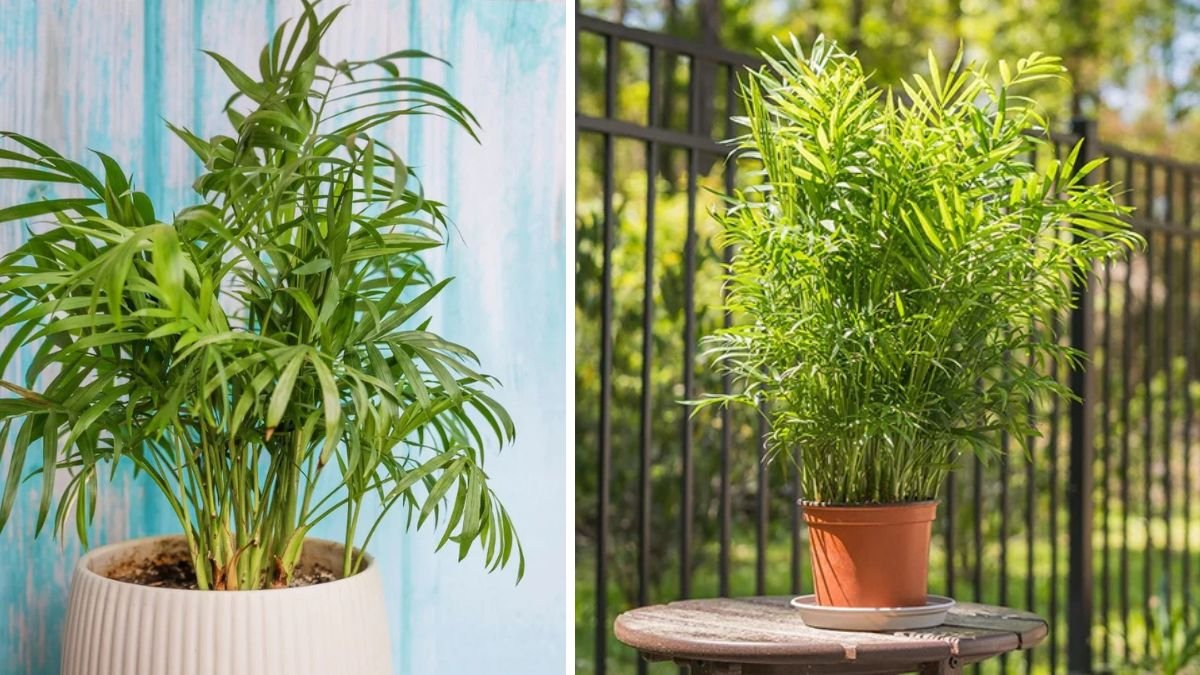

The parlor palm (Chamaedorea elegans) is one of the most popular houseplants in the world—and for good reason. It’s elegant, slow-growing, pet-friendly, and remarkably forgiving. But even this low-maintenance beauty eventually outgrows its home. Knowing when to repot your parlor palm is crucial, because repotting too early or too late can stress the plant and slow its growth.
Unlike fast-growing plants that demand frequent attention, parlor palms give subtle signals when they need a new pot. If you know what to look for, you can repot at just the right time and keep your palm healthy for years. Below are the clear, reliable signs that it’s time to repot your parlor palm, plus tips to ensure the transition goes smoothly.
1. Roots Are Growing Out of the Drainage Holes
One of the most obvious signs your parlor palm needs repotting is visible roots poking out of the drainage holes at the bottom of the pot. This usually means the roots have run out of space and are circling the inside of the container looking for room to expand.
While parlor palms tolerate being slightly root-bound, excessive root crowding can limit water and nutrient absorption. If you notice roots escaping the pot—or forming a dense mat at the base—it’s a strong signal that a larger container is needed.
2. The Plant Dries Out Much Faster Than Usual
If you find yourself watering more frequently than before, even though nothing else has changed, your palm may be root-bound. When roots fill most of the pot, there’s less soil to hold moisture, causing water to run through quickly without being absorbed.
This can lead to inconsistent moisture levels, stressing the plant and making it more vulnerable to yellowing leaves and brown tips. Repotting restores the balance between roots and soil, allowing water to be retained properly again.
3. Stunted or Slowed Growth
Parlor palms are naturally slow growers, but they shouldn’t completely stall. If your palm hasn’t produced new fronds in months during the growing season (spring and summer), it may have outgrown its current container.
When roots are tightly packed, the plant shifts energy toward survival rather than growth. Fresh soil and a bit more space often result in renewed leaf development within a few weeks.
4. Soil Pulls Away From the Sides of the Pot
Over time, compacted roots can push soil outward, causing it to shrink away from the pot’s edges. This creates gaps where water runs straight down the sides instead of soaking through the root zone.
If you notice this happening regularly, repotting with fresh, well-aerated soil will help rehydrate the root system and improve overall plant health.
5. Frequent Yellowing or Dropping Leaves
Occasional yellow leaves are normal, especially older ones. But if your parlor palm is dropping multiple leaves at once or showing widespread yellowing despite proper care, root stress could be the culprit.
In a crowded pot, roots compete for nutrients and oxygen. This imbalance often shows up above the soil line as discolored or weak foliage. Repotting gives the roots space to breathe and improves nutrient uptake.
6. The Plant Looks Top-Heavy or Unstable
When a parlor palm becomes noticeably top-heavy, tipping easily or leaning to one side, it may have outgrown its pot. This is especially common if the root system is dense but shallow.
A slightly larger, heavier pot provides better stability and allows roots to grow deeper, anchoring the plant more securely.
7. It’s Been Two to Three Years Since the Last Repot
Even if your palm looks fine, time alone can be a factor. As a general rule, parlor palms benefit from repotting every two to three years. During this time, soil nutrients become depleted and the structure breaks down, reducing aeration and drainage.
Refreshing the soil—even if you keep the same pot size—can significantly improve plant vitality.
When Is the Best Time to Repot a Parlor Palm?
The ideal time to repot is spring or early summer, when the plant is actively growing. Repotting during this period allows the palm to recover quickly and establish new roots.
Avoid repotting in late fall or winter unless absolutely necessary, as the plant’s growth slows and stress recovery takes longer.
How to Repot Your Parlor Palm Successfully
Once you’ve confirmed it’s time to repot, following the right steps makes all the difference.
Choose the Right Pot
Select a pot that’s 1–2 inches wider than the current one. Going too large can cause excess moisture retention and increase the risk of root rot.
Always use a pot with drainage holes.
Use the Right Soil
Parlor palms prefer light, well-draining soil. A good mix includes:
- High-quality indoor potting mix
- Perlite or pumice for aeration
- A small amount of peat or coco coir for moisture retention
Avoid heavy garden soil, which compacts easily.
Repot Gently
- Water the plant lightly the day before repotting
- Gently remove it from its pot
- Loosen tightly bound roots, but don’t break them aggressively
- Place it at the same depth as before
- Fill around the roots with fresh soil and press lightly
Water and Rest
After repotting, water thoroughly and place the palm in bright, indirect light. Avoid fertilizing for at least 4–6 weeks while the roots adjust.
Signs of Transplant Shock (And Don’t Panic)
It’s normal for a parlor palm to show mild stress after repotting, such as:
- Temporary drooping
- Slight leaf yellowing
- Slower growth for a few weeks
As long as conditions are stable and watering is consistent, the plant usually rebounds on its own.
Final Thoughts
Parlor palms may be low-maintenance, but they still communicate their needs—just quietly. By watching for signs like crowded roots, rapid drying, slowed growth, and declining foliage, you can repot at the perfect time and avoid unnecessary stress.
A well-timed repot not only refreshes the soil but also gives your palm room to thrive, ensuring it stays lush, graceful, and healthy for years to come