
Introduction: Why Candytuft Is a Garden Favorite
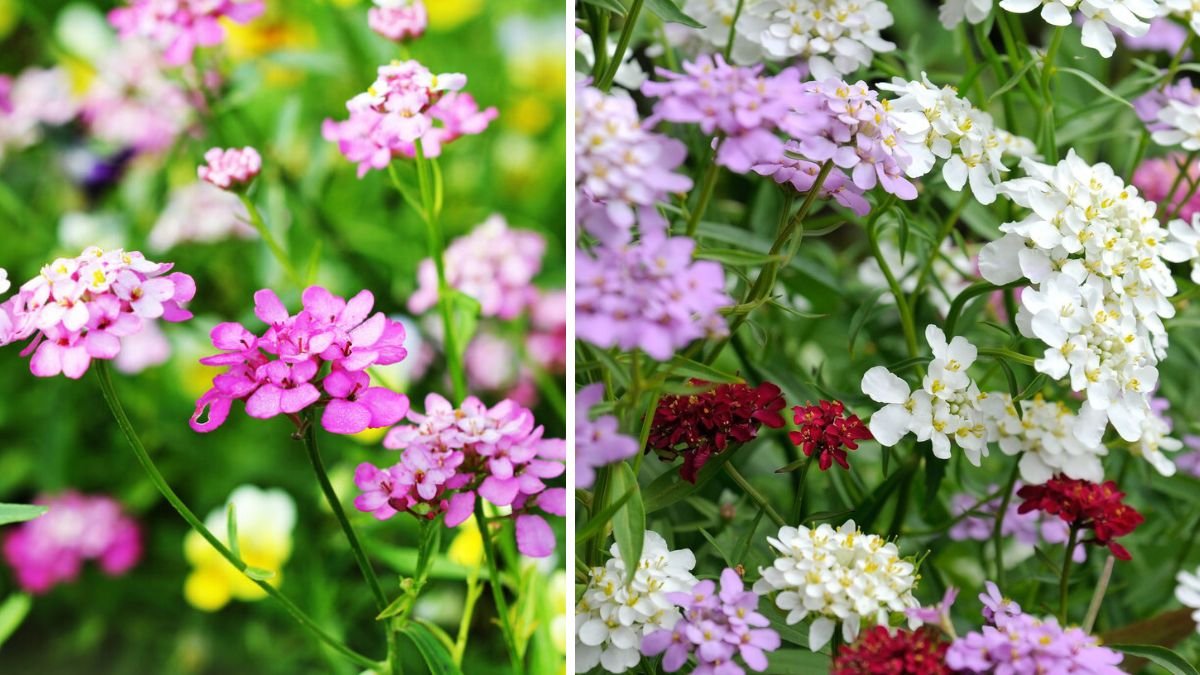
Candytuft (Iberis spp.) is a dazzling perennial or evergreen subshrub that brings spring gardens to life with masses of tiny, clustered flowers. Beloved for its low-maintenance care and versatility, candytuft thrives in borders, rock gardens, and container plantings. Its dense foliage forms neat mounds, making it a perfect choice for groundcover and edging, while its flowers attract pollinators like butterflies and bees. (almanac.com)
The most commonly grown species, Iberis sempervirens, is an evergreen perennial that blooms in early spring with white or sometimes pink flowers. Other varieties include Iberis gibraltarica and Iberis umbellata, offering colorful garden displays. Whether you’re an experienced gardener or a beginner, understanding the Candytuft (Iberis) care and growing tips is essential for a thriving display year after year. (gardendelivery.com)
Light and Location Requirements
Full Sun for Vibrant Blooms
Candytuft performs best when planted in full sun, receiving at least six to eight hours of direct sunlight each day. Adequate sun encourages profuse flowering and maintains the plant’s compact growth habit. Too little sunlight can result in spindly stems and reduced bloom quality. (almanac.com)
Partial Shade Tolerance
In hotter climates, candytuft can tolerate partial shade, especially during the afternoon, to prevent heat stress. However, excessive shade may cause legginess and fewer flowers. Selecting the right site ensures robust growth and colorful displays. (gardendelivery.com)
Soil and Planting Tips
Well-Drained Soil Is Crucial
Candytuft thrives in well-drained soil, such as sandy or gravelly types. Poor drainage can lead to root rot and crown rot, the most common issues affecting this plant. To improve drainage, amend heavy clay soils with sand, coarse grit, or organic compost. (gardendelivery.com)
Ideal Soil pH
Aim for neutral to slightly alkaline soil (pH 6.0–7.5). This environment promotes healthy root growth and optimal nutrient uptake. Testing soil and amending as necessary ensures the plant thrives. (gardendelivery.com)
Planting Steps
- Loosen the soil to at least 12 inches deep.
- Space plants 12–18 inches apart to allow air circulation and growth.
- Plant crowns at soil level, avoiding deep burial.
- Water thoroughly after planting to encourage strong root development. (gardendelivery.com)
Proper planting is critical for healthy growth and abundant spring blooms.
Watering and Drought Tolerance
Candytuft requires moderate watering, particularly during its first year. Established plants are drought-tolerant, making them ideal for low-water landscapes. Overwatering is a common mistake that can lead to root rot. (gardendelivery.com)
Guidelines:
- Newly Planted: Keep soil evenly moist but not soggy to establish roots.
- Established Plants: Allow the top inch of soil to dry between waterings.
- Container Plants: Check soil frequently as pots dry faster than garden beds.
Deep, infrequent watering encourages strong root systems, improving plant resilience in dry conditions.
Fertilization and Growth
Candytuft generally does not require heavy feeding. A light application of balanced fertilizer in spring can boost foliage and flower production. Avoid high-nitrogen fertilizers, which encourage leafy growth at the expense of blooms. Incorporating compost into the soil can also supply nutrients and improve soil structure. (gardendelivery.com)
Pruning and Maintenance
Deadheading
After blooming, deadhead spent flowers to encourage additional blooms and maintain neat plant appearance. This prolongs flowering season and keeps plants attractive in garden beds and containers. (gardendelivery.com)
Trimming and Division
Trim back older stems to maintain compact, dense mounds. Overcrowded plants may benefit from division every few years, which rejuvenates growth and improves airflow, reducing disease risks. (gardendelivery.com)
Propagation Techniques
From Seed
Candytuft seeds can be started indoors 6–8 weeks before the last frost or sown outdoors after frost danger passes. Seeds need light for germination, so cover lightly or press them onto the soil surface. Germination typically occurs within 1–4 weeks. (almanac.com)
Division and Cuttings
Mature plants can be propagated by division in autumn or stem cuttings. Some varieties naturally root when stems touch the soil, making propagation straightforward. (almanac.com)
Winter Care
Candytuft is hardy in USDA Zones 3–9. In colder areas, a light layer of mulch protects roots from freeze-thaw cycles. Avoid over-mulching, which may trap moisture and cause rot. Evergreen varieties maintain foliage through winter, providing garden structure and interest. (gardendelivery.com)
Pests and Common Problems
Slugs and Snails
While candytuft is largely pest-resistant, slugs and snails can damage foliage in moist conditions. Handpicking and using natural deterrents like diatomaceous earth or copper barriers helps protect young plants. (almanac.com)
Moisture-Related Issues
Overwatering or poor drainage may cause root rot, crown rot, and powdery mildew. Ensure proper soil conditions and spacing to promote airflow. Water at soil level rather than overhead to minimize leaf moisture and fungal problems. (almanac.com)
Creative Garden Uses
Candytuft’s compact habit and long flowering season make it versatile for many landscaping needs:
- Groundcover: Dense mats suppress weeds and provide seasonal color.
- Rock Gardens: Thrives in sandy, well-drained conditions.
- Borders and Edging: Defines garden edges and pathways.
- Containers: Adds charm to patios or balcony gardens.
Candytuft pairs beautifully with spring bulbs like tulips and daffodils, and drought-tolerant perennials such as sedums and veronica. (gardendelivery.com)
Authoritative Sources
- Almanac – How to Grow and Care for Candytuft (Iberis) – Seasonal care, planting, and pruning guidance. Link
- GardenDelivery – Candytuft Planting and Maintenance – Soil, watering, and maintenance tips. Link
- PlantCareToday – Iberis Sempervirens Care Tips – Propagation and winter protection. Link
- GardenPidia – Candytuft Care & Growing Tips – Seasonal planting and bloom care. Link
Feature Image Concept
Visual Idea: A sunny rock garden with blooming candytuft spilling over stones and edging a path, highlighting dense green foliage and crisp white flowers. Include a close-up showing individual blooms and foliage texture.
Conclusion
Candytuft (Iberis) is a low-maintenance, versatile, and visually striking addition to any garden. By planting in full sun, ensuring well-drained soil, moderating watering, pruning after flowering, and protecting from pests and winter extremes, gardeners can enjoy lush, long-lasting blooms year after year. Using these Candytuft (Iberis) care and growing tips, even beginners can cultivate healthy plants and vibrant spring displays.
Meta Details:
- Title Tag: Candytuft (Iberis) Care and Growing Tips: A Complete Guide for Gardeners
- Meta Description: Learn essential Candytuft (Iberis) care and growing tips to help blooms thrive. Discover soil, sunlight, watering, pruning, propagation, pests, and more.
- Focus Keyword: Candytuft (Iberis) care and growing tips
- URL Slug: candytuft-iberis-care-growing-tips