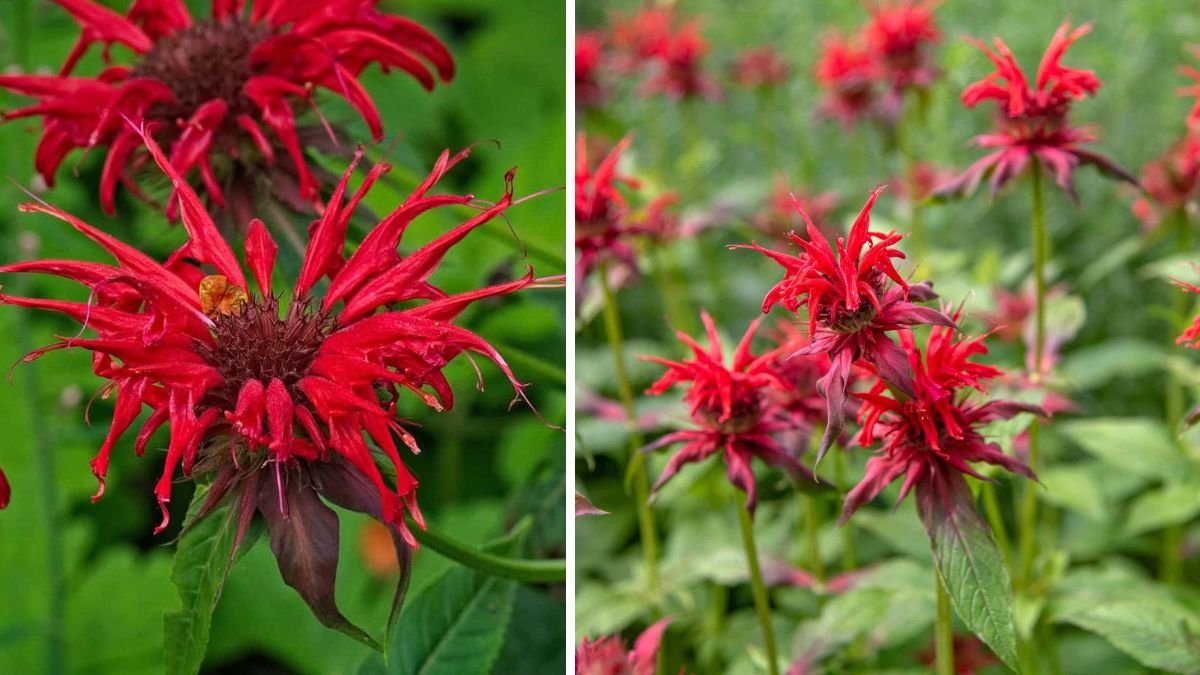

Introduction: The Beauty and Benefits of Bee Balm
Bee balm (Monarda spp.) is a perennial favorite among gardeners for its vibrant, aromatic blooms and pollinator-attracting qualities. Native to North America, bee balm thrives in gardens where it can bask in sunlight, breathe fresh air, and spread its cheerful colors across flower beds. Its striking flowers—ranging from shades of red, pink, purple, and white—draw bees, butterflies, and hummingbirds, making it an essential plant for anyone looking to cultivate a lively, eco-friendly garden.
But growing full and bushy bee balm isn’t just about planting and walking away. These perennials need the right combination of sunlight, soil, pruning, and care to achieve dense, lush growth and a continuous display of flowers throughout the season. Luckily, following the nine tips below will help you transform ordinary bee balm into a thriving centerpiece for your garden.
1. Choose the Right Location
Bee balm thrives in full sun, ideally receiving at least six hours of direct sunlight each day. While it can tolerate partial shade, too little sun will result in sparse blooms, weak stems, and increased susceptibility to disease, particularly powdery mildew.
The best spots for planting include:
- Garden edges or borders, where sunlight is abundant.
- Beds that receive morning sun but are shaded in the hottest part of the day.
- Areas with good airflow to reduce fungal diseases.
Remember, location is critical. A sunny, airy spot not only boosts flower production but also promotes strong, upright stems that resist flopping and bending.
2. Give Each Plant Room to Grow
Crowding bee balm is a common mistake. These perennials naturally spread, and giving them enough space encourages air circulation, reduces disease risk, and promotes bushier growth.
Plant bee balm 18–24 inches apart to allow each clump to thrive. Crowded plants may develop tall, leggy stems with fewer flowers, while well-spaced plants develop a denser, fuller structure. Proper spacing is also vital for pollinator access, letting bees and butterflies move freely between blooms without damaging delicate stems.
3. Enrich and Prepare the Soil
Healthy soil is the foundation of vigorous bee balm. These plants prefer well-drained, nutrient-rich soil with a neutral to slightly acidic pH. If your soil is heavy clay or sandy, amend it with compost or well-rotted organic matter to improve moisture retention and fertility.
Before planting, loosen the soil to encourage deep root development, which is essential for plants that will bloom heavily throughout the season. Avoid waterlogged areas, as bee balm does not tolerate standing water, and soggy roots can quickly lead to rot.
4. Prune and Deadhead Strategically
Pruning is a game-changer when it comes to achieving bushy, full bee balm plants. Strategic pruning encourages new growth, strengthens stems, and maximizes flower production.
- Deadhead spent flowers: Removing old blooms stimulates new buds and prolongs the flowering season.
- Pinch back stems early in the season: This promotes lateral growth, creating a fuller plant rather than tall, spindly stems.
Regular pruning not only keeps bee balm looking neat but also improves air circulation within the plant, reducing the risk of powdery mildew and other fungal issues.
5. Water Deeply but Smartly
Bee balm enjoys consistent moisture, especially during hot, dry periods. However, it does not tolerate waterlogged soil. Overwatering or poor drainage can lead to root rot and weak growth.
- Water deeply once or twice a week rather than frequent shallow watering.
- Focus on the soil, avoiding overhead watering to prevent wetting the foliage, which can promote fungal diseases.
- Mulching (covered below) can help retain soil moisture and reduce the frequency of watering.
Proper hydration is key to keeping your bee balm healthy and full of vibrant blooms.
6. Mulch to Retain Moisture and Suppress Weeds
A 2-inch layer of organic mulch around bee balm plants is highly beneficial. Mulching:
- Retains soil moisture
- Moderates soil temperature
- Suppresses weed growth
However, keep mulch slightly away from the base of the plant to prevent stem rot. Straw, shredded bark, or compost are excellent options. Mulching also adds nutrients back into the soil as it decomposes, supporting long-term plant health.
7. Fertilize Lightly for Maximum Bloom
Bee balm does not require heavy feeding. In fact, too much nitrogen can encourage leafy growth at the expense of flowers. A light application of a balanced organic fertilizer or compost in early spring is sufficient to support strong growth and prolific blooming.
For established plants, a mid-season feed can boost flower production, but always follow label directions and avoid over-fertilization. Healthy soil combined with proper fertilization ensures that your bee balm grows vigorously and densely, rather than stretching weakly toward the sun.
8. Divide Plants for Vigorous Growth
Bee balm can become crowded as it matures, leading to declining vigor and reduced flowering. Dividing clumps every 2–3 years rejuvenates the plants and encourages bushy, full growth.
- Divide in early spring before new growth begins, or in early fall after flowering.
- Carefully lift the clump, separate roots, and replant sections with fresh soil.
- Water well after replanting to help the divisions establish.
Regular division not only keeps bee balm healthy but also prevents disease buildup in dense, old clumps.
9. Manage Powdery Mildew and Other Pests
Powdery mildew is the most common issue with bee balm, especially in humid climates. To prevent disease:
- Ensure proper spacing and airflow.
- Water at the base to keep foliage dry.
- Consider organic fungicides or a homemade baking soda spray if mildew appears.
In addition, keep an eye out for Japanese beetles, aphids, and spider mites, which can occasionally affect bee balm. Regular monitoring, combined with cultural practices like pruning and mulching, keeps plants healthy and allows them to grow full and bushy.
Conclusion: A Lush Garden Full of Life
Growing full and bushy bee balm is a rewarding endeavor that combines beauty, color, and environmental benefits. By following these nine tips—selecting the right location, giving plants enough space, enriching the soil, pruning wisely, watering carefully, mulching, fertilizing lightly, dividing regularly, and managing pests—you can cultivate dense, healthy, and vibrant plants that attract pollinators all season long.
With patience, attention, and a little knowledge, your bee balm can become a bustling, pollinator-friendly centerpiece in your garden. Not only will it reward you with stunning flowers, but it will also support bees, butterflies, and hummingbirds, enriching your garden ecosystem.
Authoritative Sources
- The Old Farmer’s Almanac – Bee Balm Growing Guide: almanac.com
- GardenersPath – Bee Balm Care & Tips: gardenerspath.com
- Gardenia.net – Monarda Overview: gardenia.net
- PositiveBloom – Simple Tips for Full and Bushy Bee Balm: positivebloom.com