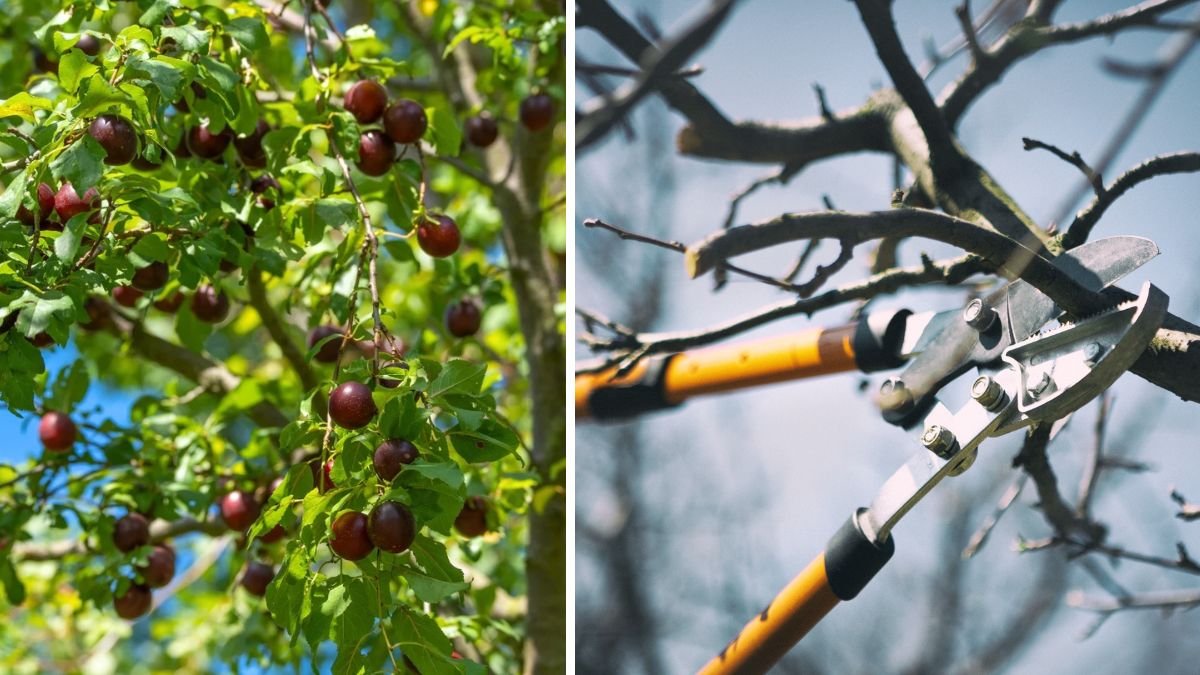

January may feel like a quiet month in the garden, but for fruit growers, it’s one of the most important times of the year. While many plants are dormant, this period offers a perfect opportunity to prune certain fruit trees and vines. Proper January pruning helps shape plants, remove damaged growth, improve airflow, and encourage healthier, more productive harvests when the growing season returns.
Pruning at the right time is just as important as knowing how to prune. Done correctly, winter pruning sets the foundation for strong spring growth and better fruit quality. Below are seven fruit trees and vines that benefit most from January pruning, along with practical guidance on why timing matters and how to approach the task.
Why January Is Ideal for Pruning Many Fruit Plants
During January, most deciduous fruit trees and vines are fully dormant. With leaves gone, the plant’s structure is clearly visible, making it easier to see which branches need attention. Dormant pruning minimizes stress on plants, reduces sap loss, and lowers the risk of spreading disease.
Pruning in winter also directs energy into fewer, stronger buds. Instead of producing excessive leafy growth, the plant can focus on developing flowers and fruit later in the season. For many species, January pruning is a key step toward a healthier and more productive orchard or garden.
1. Apple Trees
Apple trees are among the best candidates for January pruning. With the tree dormant, you can clearly see its branch structure and make thoughtful cuts that improve shape and productivity.
Winter pruning helps:
- Remove dead, diseased, or damaged branches
- Thin crowded areas to allow light and air into the canopy
- Control height and spread for easier harvesting
Focus on removing crossing branches and upright water sprouts that compete with fruiting wood. A well-pruned apple tree in January will respond with vigorous growth and better fruit development in spring.
2. Pear Trees
Like apples, pear trees benefit from dormant pruning. Pears produce fruit on spurs that respond well to careful winter cuts. January pruning encourages balanced growth and helps prevent the tree from becoming overly dense.
When pruning pear trees:
- Remove branches that cross or rub against each other
- Thin the center of the tree to improve airflow
- Avoid excessive pruning, which can stimulate too much vegetative growth
Moderation is key. Gentle, consistent pruning in January keeps pear trees healthy and productive year after year.
3. Grape Vines
Grapevines require some of the most deliberate pruning of any fruiting plant, and January is the prime time to do it. Without pruning, grapevines quickly become overgrown and unproductive.
Winter pruning allows you to:
- Remove most of the previous year’s growth
- Shape the vine’s permanent structure
- Concentrate energy into fewer, stronger fruiting buds
Although it can feel extreme, grapevines often need heavy pruning to perform well. Clean cuts and a clear framework will result in better fruit quality and easier management during the growing season.
4. Raspberries
Raspberries benefit from winter pruning, but the exact approach depends on the type. Floricane raspberries fruit on second-year canes, while primocane varieties produce fruit on first-year growth.
In January:
- Remove old canes that have already fruited
- Cut weak or damaged canes to the ground
- Thin remaining canes to prevent overcrowding
This process improves airflow, reduces disease pressure, and ensures that the strongest canes receive enough light and nutrients to produce quality fruit.
5. Pomegranate Trees
Pomegranate trees don’t require aggressive pruning, but January is an excellent time to clean them up and refine their shape. Dormant pruning allows you to see the plant’s natural form and remove unnecessary growth.
Focus on:
- Removing inward-growing or downward-facing branches
- Thinning crowded areas to improve light penetration
- Shaping young trees to establish a strong framework
Light winter pruning encourages better flowering and fruit set later in the year without overstimulating excessive growth.
6. Fig Trees
Fig trees respond well to winter pruning, especially in regions with cooler winters. January pruning helps manage size, remove unproductive wood, and encourage new growth that will support fruiting.
When pruning fig trees:
- Cut back older, less productive branches
- Remove dead or damaged wood
- Avoid excessive pruning, which can reduce fruiting potential
A balanced approach ensures the tree remains manageable while still producing a good crop in the coming season.
7. Passionfruit and Similar Fruiting Vines
Certain fruiting vines, including passionfruit in appropriate climates, benefit from light pruning in January. While major pruning may occur later depending on flowering habits, winter is a good time to remove damaged or tangled growth.
January pruning helps:
- Improve airflow and light exposure
- Reduce disease risk
- Prepare the vine for vigorous spring growth
Focus on cleaning up the vine rather than heavy shaping, especially in cooler regions.
Trees and Vines You Should Avoid Pruning in January
While January is ideal for many fruit plants, not all benefit from winter pruning. Some stone fruits, such as peaches, nectarines, cherries, and apricots, are more susceptible to disease when pruned in winter. These are often better pruned in late spring or summer when conditions are drier and warmer.
Knowing which plants to prune—and which to leave alone—is just as important as mastering pruning techniques.
Essential January Pruning Tips
To get the best results from winter pruning, keep these guidelines in mind:
- Prune on dry, frost-free days to reduce damage and disease
- Use sharp, clean tools for smooth cuts that heal quickly
- Always remove dead, diseased, or damaged wood first
- Make deliberate cuts rather than excessive trimming
- Step back frequently to assess the overall shape of the plant
Good pruning is about quality, not quantity. Each cut should have a clear purpose.
Long-Term Benefits of Winter Pruning
January pruning is an investment in the future health of your fruit trees and vines. Proper winter pruning improves structure, reduces disease risk, and encourages consistent fruit production. Over time, well-pruned plants are easier to manage, harvest, and maintain.
Gardeners who make pruning a regular winter habit often notice stronger growth, better yields, and fewer problems during the growing season. Instead of reacting to issues later, January pruning allows you to shape and guide plants while they rest.
Final Thoughts
Although January may seem like a quiet month, it’s one of the most powerful times to improve the health and productivity of your fruit garden. Apple trees, pear trees, grapevines, raspberries, pomegranates, figs, and certain fruiting vines all benefit from careful winter pruning.
By understanding which plants to prune and how to do it correctly, you set the stage for healthier growth and better harvests in the months ahead. With sharp tools, a clear plan, and thoughtful cuts, January pruning can make the difference between an average season and an exceptional one.