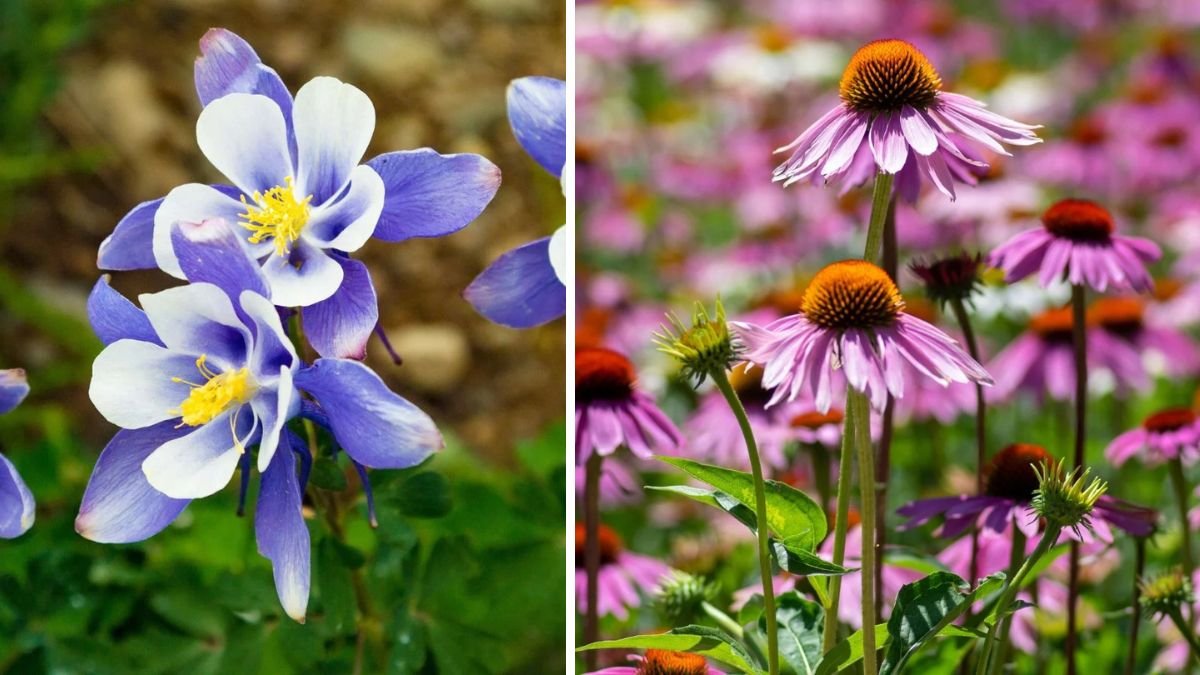

For gardeners, the secret to a strong, vibrant spring garden often begins in winter. Winter sowing is a simple, natural technique that allows perennial seeds to experience cold stratification — the essential winter chill that many seeds require to break dormancy. By planting seeds outdoors during the colder months, gardeners mimic nature’s seasonal cycle, leading to stronger seedlings that are well-adapted to outdoor life come spring. (gardening.org)
This article explores the 7 best perennials to winter sow, their benefits, planting tips, and why winter sowing produces healthier, more resilient plants. These perennials are not only easy to grow from seed but also provide long-lasting blooms, attract pollinators, and enrich your garden’s biodiversity. (finegardening.com)
What Is Winter Sowing?
Winter sowing is the practice of sowing seeds outdoors in winter, often in containers such as recycled milk jugs, cold frames, or seed trays. As winter progresses, seeds experience natural freeze-thaw cycles and moisture from snow and rain, a process known as cold stratification. This mimics how seeds germinate in nature, encouraging stronger and healthier seedlings. (reddit.com)
Unlike traditional indoor seed starting, winter sowing produces seedlings that are more resilient and less prone to transplant shock. It’s particularly effective for perennials, which often require a period of cold exposure to germinate. By the time spring arrives, these seedlings are ready to thrive in your garden. (reddit.com)
1. Echinacea (Coneflower)
Echinacea, or coneflower, is a perennial favorite known for its striking purple blooms and medicinal properties. Its seeds respond well to cold stratification, making it an ideal candidate for winter sowing.
Why Echinacea Works Well for Winter Sowing
- Cold exposure ensures robust germination.
- Tall, colorful blooms attract bees, butterflies, and other pollinators.
- Low-maintenance once established. (finegardening.com)
Planting Tips
Sow seeds in containers outdoors during late winter. Allow snow, rain, and natural temperature fluctuations to stimulate germination. Transplant seedlings to your garden after the last hard frost.
2. Liatris (Blazing Star)
Liatris, also called blazing star, produces dramatic spikes of purple flowers that draw hummingbirds and butterflies. Its seeds require a period of cold, making winter sowing ideal.
Benefits of Liatris for Winter Sowing
- Seeds thrive with natural cold-moist conditions.
- Produces tall, vertical flower spikes that create a focal point in the garden.
- Excellent cut flowers and wildlife magnets. (finegardening.com)
Planting Tips
Place containers in a sunny spot with well-drained soil. Leave them exposed to winter’s freeze-thaw cycles for natural stratification. Seedlings will emerge ready for spring planting.
3. Columbine (Aquilegia)
Columbine is renowned for its delicate, nodding flowers in a range of colors, from pastel blues to vibrant reds. Cold stratification is essential for reliable germination, making winter sowing perfect for these seeds.
Why Columbine Is Perfect for Winter Sowing
- Flowers attract hummingbirds and butterflies.
- Seeds germinate more reliably after cold exposure.
- Ideal for shady borders and cottage gardens. (gardenloversclub.com)
Planting Tips
Sow seeds near the soil surface in outdoor containers. Avoid covering them too deeply, as columbine seeds need light exposure to germinate. Leave containers outdoors to experience winter’s natural conditions.
4. Lupine (Lupinus spp.)
Lupines are striking perennials with tall, colorful flower spikes and feathery foliage. They also enrich the soil with nitrogen, making them a beneficial addition to any garden. Lupine seeds require cold stratification and benefit greatly from winter sowing. (gardenloversclub.com)
Benefits of Lupine for Winter Sowing
- Natural cold improves seed germination.
- Provides vertical interest and bold color.
- Supports pollinators.
Planting Tips
Sow seeds in cold, well-drained soil outdoors. Expect blooms in late spring to early summer. Lupines perform best in lean soil with good drainage.
5. Yarrow (Achillea millefolium)
Yarrow is a versatile perennial with fern-like foliage and flat-topped blooms in white, pink, red, or yellow. Its seeds respond very well to cold stratification, making winter sowing highly effective. (farmhouseandblooms.com)
Why Yarrow Excels with Winter Sowing
- Cold stratification ensures strong germination.
- Attracts bees and butterflies.
- Drought-tolerant and low-maintenance once established.
Planting Tips
Surface sow seeds in containers outdoors and allow winter’s natural moisture and temperature shifts to trigger growth. Transplant seedlings after the last frost for vibrant summer blooms.
6. Coreopsis (Tickseed)
Coreopsis, or tickseed, produces cheerful daisy-like flowers in sunny yellow, orange, or red tones. Its seeds are well-suited for winter sowing and develop into resilient, drought-tolerant plants. (flowerpatchfarmhouse.com)
Benefits of Coreopsis for Winter Sowing
- Cold exposure improves germination rates.
- Long-lasting summer blooms.
- Tolerant of poor soil and drought.
Planting Tips
Sow seeds outdoors in containers in late winter. Choose a sunny location where seeds will naturally stratify through freeze-thaw cycles. Expect bright blooms by early summer.
7. Bee Balm (Monarda spp.)
Bee balm is a fragrant, pollinator-friendly perennial with vibrant red, pink, or purple blooms. Its seeds benefit from cold stratification, making it ideal for winter sowing. (flowerpatchfarmhouse.com)
Benefits of Bee Balm for Winter Sowing
- Attracts bees, butterflies, and hummingbirds.
- Cold exposure ensures strong germination.
- Aromatic foliage adds sensory interest to the garden.
Planting Tips
Sow seeds in outdoor containers during winter. Seedlings can be transplanted to garden beds once they are strong enough in spring.
Winter Sowing Tips for Success
For gardeners new to winter sowing, these tips will maximize your success:
- Use Containers with Drainage: Recycled milk jugs, seed trays, or cold frames allow excess water to escape while retaining necessary moisture. (reddit.com)
- Select the Right Location: Place containers outdoors where seeds will experience winter freeze-thaw cycles for natural stratification. (reddit.com)
- Avoid Overwatering: Seeds need moisture, but standing water can cause rot.
- Be Patient: Many winter-sown seeds will sprout in spring, but when they do, seedlings are hardy and ready for garden planting.
Authoritative Sources for Reference
For further guidance on perennials and winter sowing:
- Fine Gardening: Offers detailed lists of perennials suited for winter sowing. (finegardening.com)
- Garden Lovers Club: Provides profiles and winter sowing tips for various perennials. (gardenloversclub.com)
- Flower Patch Farmhouse: Practical advice for perennial winter sowing. (flowerpatchfarmhouse.com)
Conclusion
Winter sowing is a simple and effective way to get a jumpstart on your garden. By planting the 7 best perennials to winter sow, you ensure a thriving, colorful landscape that attracts pollinators and provides long-lasting blooms.
From Echinacea to Bee Balm, these perennials are hardy, visually stunning, and perfectly suited to the cold stratification process. Whether you are a seasoned gardener or a beginner, winter sowing provides an accessible method to grow stronger, more resilient plants and enjoy a vibrant spring garden.