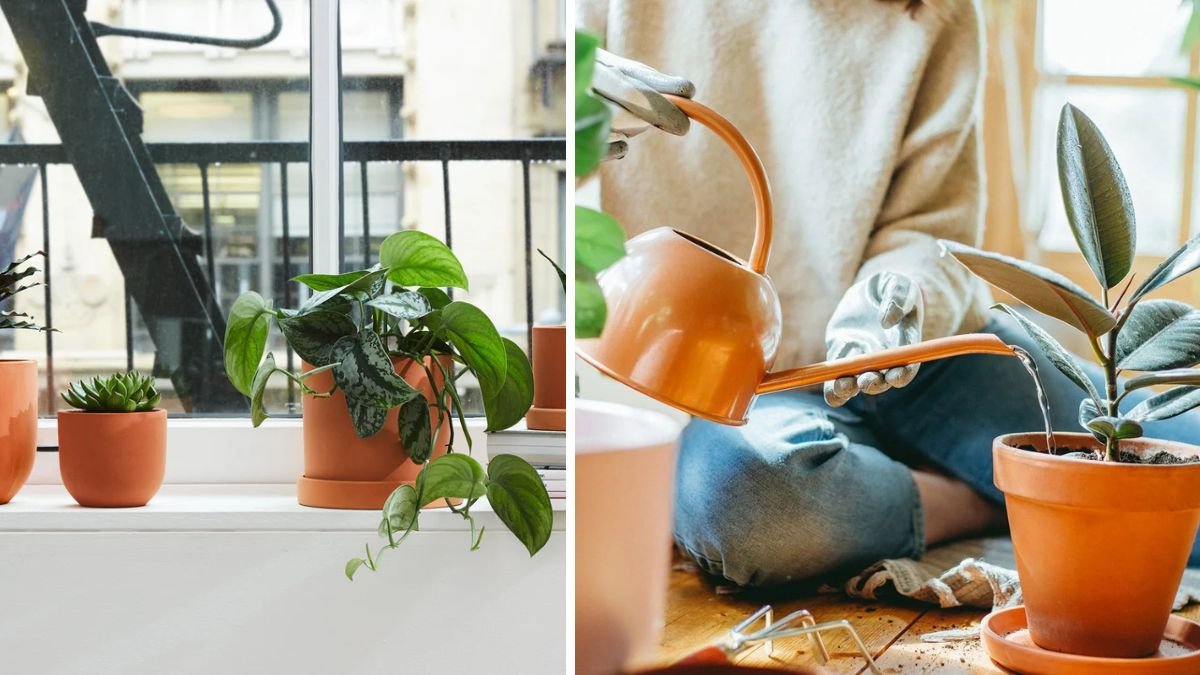

Houseplants may look calm and content, but beneath the soil, a lot is happening. One of the most common reasons indoor plants struggle is not light or water—it’s a pot that’s simply too small. When roots run out of space, plants can’t absorb enough water or nutrients, and their growth begins to suffer.
Here are six clear clues a houseplant truly needs a bigger pot, plus why acting early makes all the difference.
Why Pot Size Matters for Houseplant Health
A plant’s root system supports everything above the soil. Roots anchor the plant, store nutrients, and pull in water. When roots become crowded, the plant becomes root-bound, meaning it has little room to grow or function properly.
Over time, this can lead to slow growth, frequent wilting, yellow leaves, and even plant failure. Recognizing the signs early helps prevent long-term stress.
1. Roots Are Growing Out of the Drainage Holes
One of the most obvious signs your plant needs a larger pot is roots poking out of the bottom. This means the roots have completely filled the container and are searching for more space.
If you gently remove the plant from its pot and see thick roots circling the soil, it’s time to repot.
2. Water Runs Straight Through the Pot
If water pours out of the drainage holes almost immediately after watering, your plant may have more roots than soil. Without enough soil to hold moisture, the plant dries out faster and requires more frequent watering.
This is a strong indicator that your plant has outgrown its container.
3. Growth Has Slowed or Stopped
Healthy plants show steady growth during their active seasons. When a plant stops producing new leaves—or new leaves appear much smaller than older ones—it may be struggling underground.
Limited root space restricts nutrient uptake, which directly affects growth above the soil.
4. Leaves Are Yellowing or Falling Off
Yellow leaves are often blamed on watering issues, but root crowding can cause the same symptoms. When roots can’t absorb nutrients efficiently, leaves may yellow, weaken, and eventually drop.
If yellowing continues despite proper care, pot size may be the real problem.
5. The Plant Is Top-Heavy or Unstable
If your plant tips over easily or leans to one side, its root system may no longer be strong enough to support it. This is common in fast-growing plants with large leaves or tall stems.
A larger pot allows roots to spread and anchor the plant more securely.
6. It’s Been Over a Year Since the Last Repot
Even if your plant looks healthy, soil quality declines over time. Nutrients deplete, soil compacts, and roots slowly take over the available space.
Most houseplants benefit from repotting every 12 to 18 months, especially during the growing season.
What to Do When Repotting
When upgrading your plant’s pot, choose one that is only one to two inches wider than the current container. A pot that is too large can hold excess moisture and increase the risk of root rot.
Use fresh, well-draining potting mix, gently loosen the roots, and water thoroughly after repotting to help your plant settle in.
Final Thoughts
A bigger pot can make a dramatic difference in your plant’s health. If you notice more than one of these clues, your houseplant is likely overdue for a change.
By giving roots the space they need, you’ll encourage stronger growth, healthier leaves, and a longer-lasting plant.