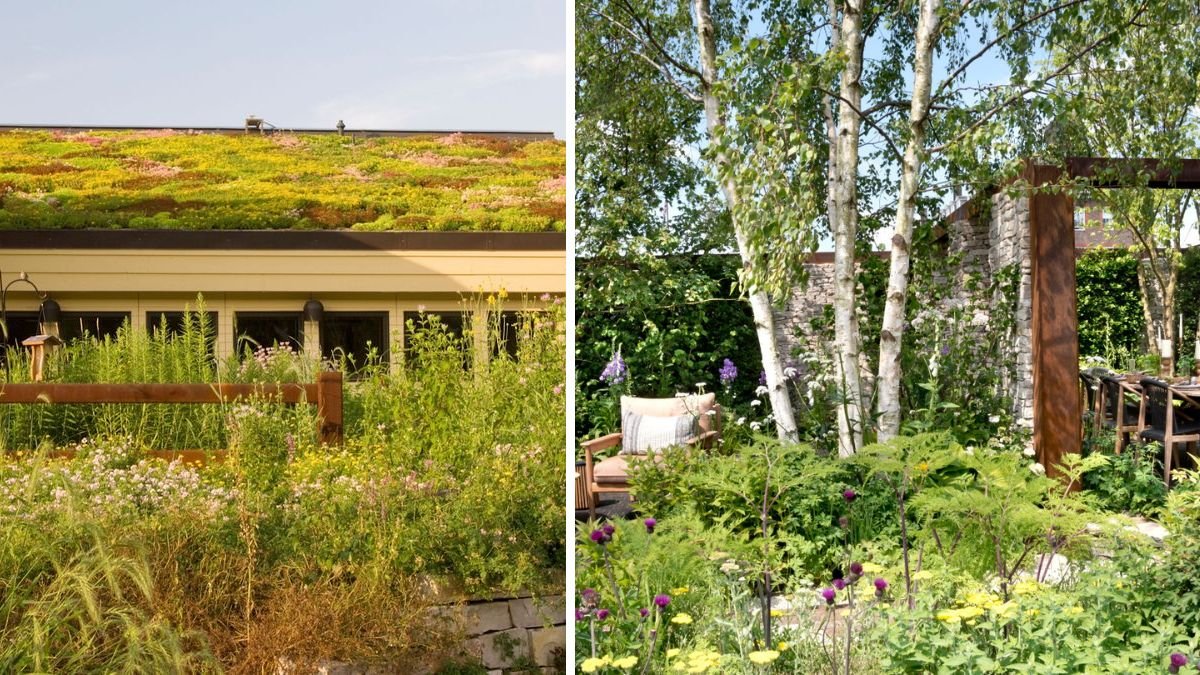

Green roofs are transforming urban landscapes by adding greenery to rooftops, improving insulation, reducing stormwater runoff, and supporting urban biodiversity. They provide sustainable, visually appealing spaces without taking up traditional garden areas. However, colder climates present unique challenges, including freeze-thaw cycles, shallow soil depth, high winds, and limited water retention. Choosing the right cold hardy plants ensures that your rooftop garden thrives with minimal maintenance.
Experts agree that a successful green roof in a cold climate requires plants that are resilient, low-maintenance, and capable of thriving in shallow soil while offering visual appeal throughout the year. This guide highlights five expert-recommended cold hardy plants that provide both sustainability and beauty for your green roof. (homesandgardens.com)
Why Cold Hardy Plants Are Key to Low-Maintenance Green Roofs
Green roofs are exposed to extreme environmental conditions compared to ground-level gardens. Shallow soil layers can dry quickly, winds can damage fragile stems, and winter temperatures can drop below freezing. Cold hardy plants are specially adapted to these conditions:
- Freeze tolerance: Survive subzero temperatures.
- Drought and wind resistance: Thrive in exposed rooftop environments.
- Shallow rooting systems: Do well in thin substrates typical of green roofs.
- Low-maintenance growth: Require minimal watering, pruning, and fertilization.
Selecting these plants ensures that your rooftop garden remains healthy, lush, and vibrant with minimal effort while contributing to urban sustainability. (homesandgardens.com)
1. Rosemary (Rosmarinus officinalis)
Rosemary is a resilient, evergreen herb that adds both greenery and fragrance to a rooftop garden. While typically grown in warmer climates, certain cold tolerant varieties such as ‘Arp’ can survive USDA zone 6 winters and occasional frost.
Why it works for green roofs:
- Thrives in shallow, well-draining soil.
- Requires minimal maintenance once established.
- Produces small purple flowers that attract pollinators.
Rosemary’s evergreen foliage provides year-round visual interest, while its aromatic leaves make your green roof not only sustainable but also sensorially appealing. Its low water needs make it ideal for low-effort green roofs, especially in exposed locations. (homesandgardens.com)
2. Dianthus (Dianthus spp.)
Dianthus, commonly known as pinks or carnations, is an excellent choice for cold climate green roofs. Hardy in zones 3–9, it produces brightly colored blooms ranging from pink and red to lavender and white.
Benefits for green roofs:
- Compact growth that fills gaps and reduces soil erosion.
- Tolerant of shallow soil, drought, and wind exposure.
- Long-lasting blooms that add seasonal color.
Dianthus is also disease-resistant and thrives in full sun, making it a durable, low-maintenance option that delivers strong visual impact with minimal care. (homesandgardens.com)
3. Cobweb Houseleek (Sempervivum arachnoideum)
Cobweb houseleek is a hardy succulent that can tolerate extreme cold and shallow soils. Native to mountainous regions of Europe, this plant survives USDA zone 4 temperatures and thrives on rooftops where drainage is excellent.
Why it’s ideal for green roofs:
- Forms dense rosettes that create a mat of foliage, stabilizing the substrate.
- Extremely drought-tolerant once established.
- Produces small pink summer flowers, attracting pollinators.
Cobweb houseleek spreads easily and forms a low-maintenance, visually striking groundcover, making it perfect for extensive green roofs or sections that need hardy, self-sustaining plants. (homesandgardens.com)
4. Prairie Dropseed (Sporobolus heterolepis)
Prairie dropseed is a clumping ornamental grass with fine-textured foliage that adds movement and texture to rooftop gardens. Hardy in zones 3–9, it is both resilient and low-maintenance, thriving in shallow soils with minimal watering once established.
Green roof benefits:
- Provides seasonal visual interest with golden fall foliage.
- Stabilizes soil and reduces erosion on exposed rooftops.
- Low-maintenance, requiring little to no supplemental irrigation.
Its mounded form complements flowering plants like Dianthus or creeping phlox, creating a layered, dynamic rooftop landscape that is both functional and aesthetically pleasing. (homesandgardens.com)
5. Creeping Phlox (Phlox subulata)
Creeping phlox is a low-growing, cold-tolerant flowering plant that spreads to form dense mats of color. Hardy in zones 3–9, it blooms in early spring with vibrant pink, purple, or white flowers, bringing seasonal interest to your green roof.
Advantages for green roofs:
- Drought-tolerant once established.
- Fills spaces between other plants, preventing soil erosion.
- Low-maintenance, with only occasional pruning to promote reblooming.
Creeping phlox offers a pop of color during early spring when many other rooftop plants are dormant, making it an excellent companion plant for year-round visual interest. (homesandgardens.com)
Environmental and Practical Benefits of Cold Hardy Green Roof Plants
1. Environmental Advantages:
- Improved insulation, reducing heating and cooling costs.
- Stormwater management, decreasing runoff and urban flooding.
- Support for biodiversity by attracting pollinators and beneficial insects.
2. Low-Maintenance Growth:
Cold hardy plants are drought-tolerant, pest-resistant, and resilient, making them perfect for low-effort green roofs that still deliver ecological and visual benefits.
3. Soil and Erosion Control:
Groundcovers and rosette-forming plants stabilize thin soils, reducing erosion from wind and rainfall. This ensures that your green roof remains intact and visually appealing through winter and spring. (inkl.com)
Tips for a Successful Cold Climate Green Roof
- Choose Well-Draining Soil: Lightweight green roof substrate prevents waterlogging and supports root growth.
- Consider Wind Exposure: Taller plants may need wind buffering or strategic placement.
- Plan for Maintenance Access: Ensure safe pathways for seasonal pruning or inspections.
- Group Plants by Water Needs: Place drought-tolerant species together to reduce irrigation needs.
- Layer Plant Heights: Combine low groundcovers with ornamental grasses to create texture and depth.
Implementing these strategies ensures your green roof is resilient, visually dynamic, and requires minimal maintenance, even in cold climates. (homesandgardens.com)
Suggested Authoritative Sources
- Homes & Gardens – 5 Cold Hardy Plants for a Green Roof (homesandgardens.com)
- Berwald Roofing – Cold Weather Green Roof Design & Maintenance Tips (berwaldroofing.com)
- Urban Jungle Hub – Plants for Green Roof Gardens (urbanjunglehub.com)
- Homes & Gardens – Best Plants for Green Roofs (homesandgardens.com)
Final Thoughts
Designing a cold climate green roof is easier than many expect when you choose the right plants. By selecting cold hardy, low-maintenance species like rosemary, dianthus, cobweb houseleek, prairie dropseed, and creeping phlox, you create a sustainable, visually stunning rooftop garden that survives winter and thrives year-round.
With proper substrate selection, plant grouping, and strategic planning, even exposed urban rooftops can host a resilient, low-effort green space. These expert-recommended plants provide color, texture, and ecological benefits, transforming your roof into a functional and beautiful sustainable feature.