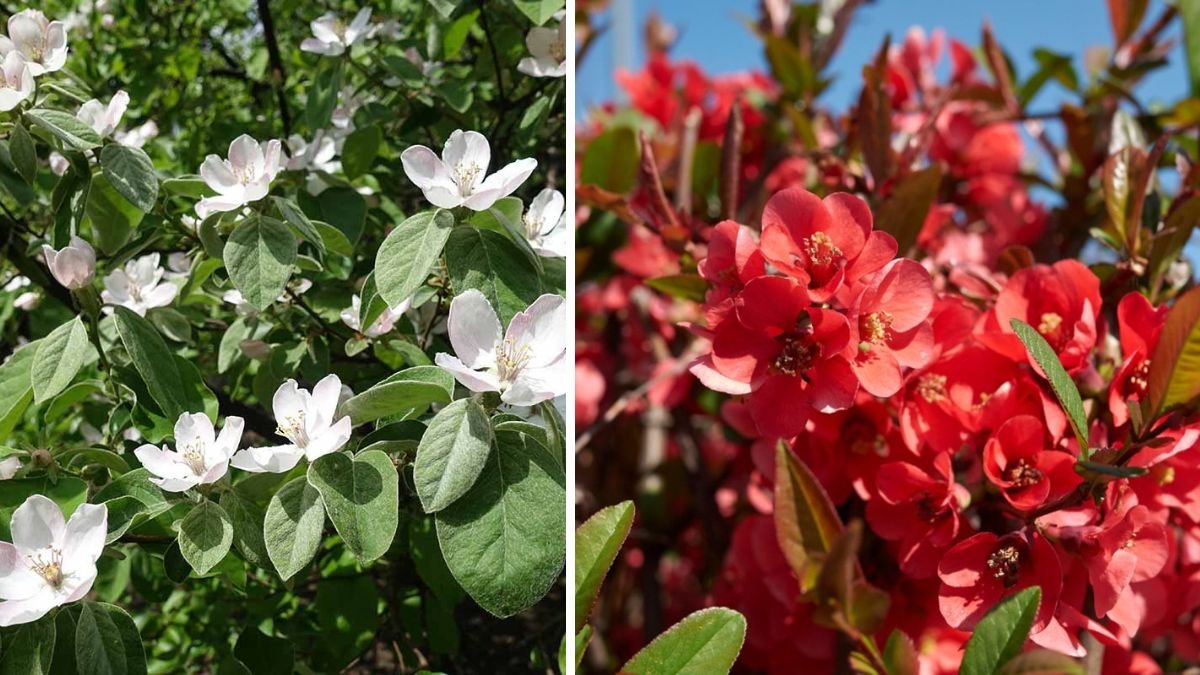

Blooming quince (Chaenomeles spp.) is one of those shrubs that quietly steals the show in early spring. While much of the garden is still waking up, blooming quince bursts into vibrant flowers in shades of red, pink, coral, and white—often before its leaves even appear. Hardy, adaptable, and long-lived, this shrub is a favorite for hedges, borders, and specimen planting.
That said, blooming quince doesn’t reach its full potential without proper care. With the right growing conditions and a little seasonal attention, you can enjoy dense growth, abundant flowers, and a shrub that looks better every year. Below are 10 essential gardening tips to help you grow strong, healthy, and beautifully blooming quince bushes.
1. Choose the Right Location From the Start
Blooming quince thrives best in full sun, though it will tolerate partial shade. For maximum flowering, aim for at least six hours of direct sunlight each day. Too much shade leads to fewer blooms and leggier growth.
Good air circulation is also important. Avoid cramped spaces near walls or dense plantings, as poor airflow can increase the risk of fungal diseases. Once established, quince bushes don’t like being moved, so choosing the right spot from the beginning is key.
2. Plant in Well-Draining Soil
One of the most important factors for healthy blooming quince is proper drainage. These shrubs adapt to many soil types—including clay and sandy soil—but they struggle in consistently wet or waterlogged ground.
Before planting, loosen the soil and mix in compost or well-rotted organic matter. This improves drainage, enhances soil structure, and provides nutrients to support early root development.
3. Water Deeply During Establishment
Newly planted quince bushes need consistent moisture while their roots establish. Water deeply once or twice a week during the first growing season, especially in dry weather.
Once established, blooming quince becomes relatively drought-tolerant, but it will flower better with occasional deep watering during prolonged dry periods. Avoid shallow, frequent watering, which encourages weak surface roots.
4. Mulch to Protect Roots and Retain Moisture
Applying a 2–3 inch layer of mulch around the base of the shrub helps regulate soil temperature, retain moisture, and suppress weeds. Organic mulches like shredded bark, wood chips, or compost work well.
Be sure to keep mulch a few inches away from the main stems to prevent rot and pest issues.
5. Prune at the Right Time
Timing is everything when pruning blooming quince. These shrubs bloom on old wood, meaning flower buds form on growth from the previous year.
Prune immediately after flowering in spring, removing dead, damaged, or crossing branches. Heavy pruning later in the season will reduce next year’s blooms. Light shaping each year helps maintain a compact, attractive form while encouraging healthy new growth.
6. Feed Lightly, Not Excessively
Blooming quince is not a heavy feeder. Too much fertilizer—especially high-nitrogen formulas—can cause lush leafy growth at the expense of flowers.
Apply a balanced, slow-release fertilizer in early spring, or top-dress with compost. In most gardens, this is more than enough to support healthy growth and vibrant blooms.
7. Manage Suckers and Dense Growth
Blooming quince naturally produces suckers from the base, which can cause the shrub to spread aggressively over time. While this habit makes it excellent for hedging or erosion control, it can become unruly in smaller gardens.
Remove unwanted suckers annually by cutting them at ground level. Thinning dense interior branches also improves airflow and reduces disease risk.
8. Watch for Pests and Diseases
Blooming quince is generally hardy, but it can occasionally face issues such as aphids, scale insects, or fungal diseases like leaf spot and fire blight.
Inspect plants regularly, especially in spring. Healthy spacing, good airflow, and proper watering go a long way in prevention. If problems arise, treat early with insecticidal soap, horticultural oil, or appropriate disease management methods.
9. Encourage More Blooms With Proper Care
If your quince bush produces lots of leaves but few flowers, the issue is often insufficient sunlight, over-fertilizing, or improper pruning. Addressing these factors can dramatically improve flowering.
Consistent care—sunlight, moderate feeding, correct pruning, and adequate moisture—ensures your shrub sets plenty of buds for the next season.
10. Be Patient—Blooming Quince Improves With Age
One of the best things about blooming quince is its longevity. These shrubs can live for decades, becoming more floriferous as they mature. Young plants may take a couple of years to settle in, but patience pays off.
As the root system strengthens, flowering becomes heavier and more reliable each spring.
Seasonal Care Tips for Blooming Quince
- Spring: Enjoy blooms, prune immediately after flowering, apply compost or fertilizer
- Summer: Water during dry spells, monitor pests
- Fall: Clean up fallen leaves, remove suckers if needed
- Winter: Minimal care required; the shrub is cold-hardy and resilient
Final Thoughts
Blooming quince bushes are tough, adaptable, and stunning when cared for properly. By choosing the right location, managing soil and water, pruning at the correct time, and avoiding over-fertilization, you can enjoy a dense, healthy shrub covered in vibrant early-spring flowers year after year.
With these ten gardening tips, your blooming quince won’t just survive—it will thrive, becoming a reliable highlight of your landscape every spring