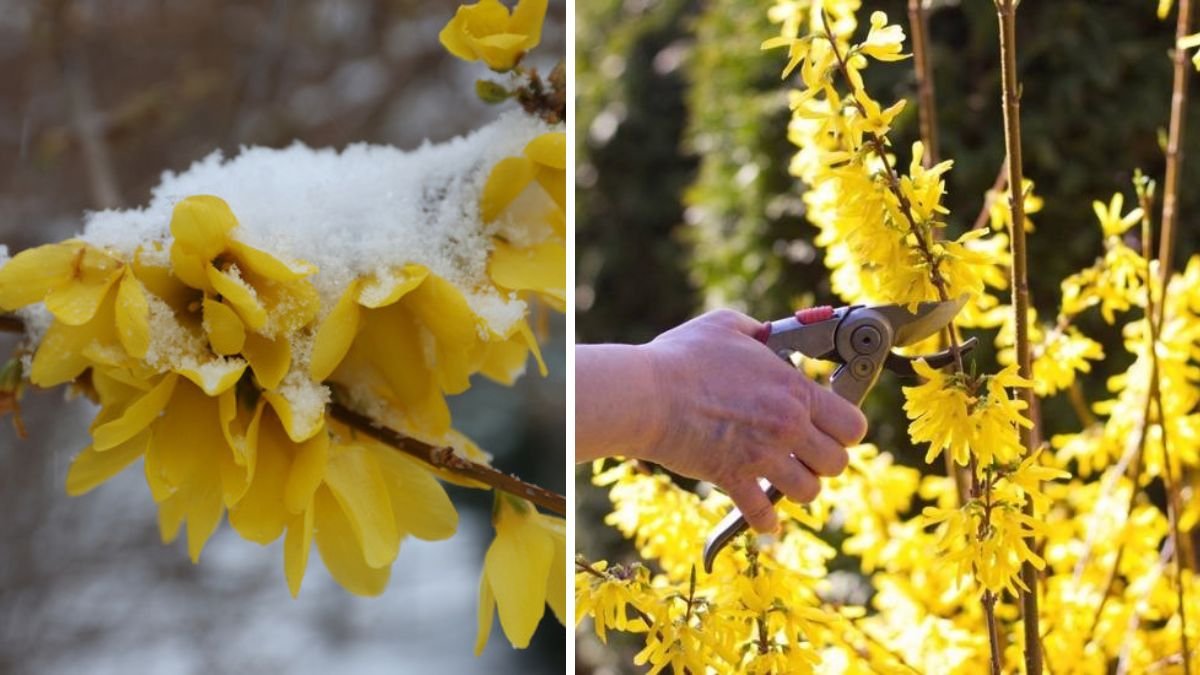

Forsythia is one of the earliest and most cheerful signs of spring, bursting into brilliant yellow blooms just as winter fades. But what many gardeners don’t realize is that the health and shape of that spring display depend heavily on how—and when—the shrub is pruned. According to horticulture experts, winter is actually the ideal time to prune forsythia, as long as it’s done correctly.
Pruning at the wrong time or using the wrong technique can result in fewer flowers, leggy growth, or a tangled shrub. Here’s why winter pruning works so well for forsythia and the best way to do it without sacrificing spring blooms.
Understanding How Forsythia Grows
Forsythia blooms on old wood, meaning flower buds form on branches that grew during the previous growing season. This growth habit makes timing especially important.
Experts explain that:
- Buds are already set by late fall
- Pruning too late in winter can remove flower buds
- Strategic pruning during dormancy keeps plants healthy
The goal isn’t heavy shaping—it’s thoughtful thinning.
Why Winter Pruning Makes Sense
Winter pruning offers several advantages:
- The shrub is dormant, reducing stress
- Branch structure is easier to see without leaves
- Dead, damaged, or crossing branches are obvious
- Cuts heal cleanly before spring growth begins
Experts note that pruning in late winter, just before buds begin to swell, strikes the best balance.
When Exactly to Prune in Winter
Timing matters even within winter.
Best window:
- Late winter to very early spring
- After the coldest weather passes
- Before visible bud swelling
In most regions, this falls between January and early March, depending on climate.
Avoid pruning during extreme cold, as brittle branches can crack rather than cut cleanly.
Tools You’ll Need
Having the right tools prevents unnecessary damage.
Experts recommend:
- Sharp bypass pruners for small branches
- Loppers for thicker canes
- Pruning saw for mature shrubs
- Gloves and eye protection
Always clean tools with alcohol before and after pruning to prevent disease spread.
The Right Way to Prune Forsythia
Forsythia responds best to selective thinning, not heavy shearing.
Step 1: Remove Dead and Damaged Wood
Start by cutting out:
- Dead branches
- Broken or diseased stems
- Wood damaged by snow or ice
Make cuts at the base of the branch.
Step 2: Thin Out Old Canes
Experts recommend removing:
- The oldest, thickest canes
- About one-third of the shrub’s total stems
Cut these canes all the way to ground level. This encourages new, vigorous shoots that will bloom heavily in future seasons.
Step 3: Remove Crossing and Inward-Growing Branches
Branches that rub against each other create wounds and invite disease.
Cut:
- Crossing stems
- Inward-facing growth
This opens the center of the shrub for better airflow and light.
Step 4: Light Shaping Only if Needed
Avoid turning forsythia into a formal hedge.
If shaping is necessary:
- Trim uneven tips sparingly
- Maintain the shrub’s natural arching form
- Never shear across the top
Experts warn that shearing removes flower buds and leads to dense, flowerless growth.
How Much Is Too Much?
A common mistake is overpruning.
Experts advise:
- Never remove more than one-third of the shrub in a single year
- Focus on renewal, not size reduction
- Let mature shrubs remain large and arching
Forsythia naturally grows fast—overpruning often leads to weak, floppy regrowth.
What Happens If You Skip Winter Pruning?
Neglected forsythia can become:
- Overgrown and tangled
- Sparse at the base
- Heavy at the top
Regular winter pruning keeps shrubs balanced and productive.
What If You Miss the Winter Window?
If winter passes without pruning, experts recommend waiting until after flowering in spring.
Pruning immediately after bloom:
- Preserves next year’s buds
- Allows time for new growth to set buds
Avoid pruning in summer or fall, as this removes developing flower buds.
Special Tips for Young Forsythia Shrubs
Newly planted forsythia need minimal pruning.
Experts suggest:
- Letting shrubs establish for 2–3 years
- Removing only damaged or dead wood
- Avoiding heavy cuts early on
Early restraint leads to stronger structure later.
Aftercare Following Pruning
Forsythia requires little post-pruning care, but experts recommend:
- Mulching to conserve moisture
- Watering during dry winter spells
- Avoiding fertilizer until spring
Dormant shrubs don’t need feeding after pruning.
Common Forsythia Pruning Mistakes
Avoid these expert-identified errors:
- Shearing into a boxy shape
- Cutting all branches to the same height
- Pruning in late fall
- Ignoring old, woody canes
Each mistake reduces flowering potential.
Why Pruning Improves Spring Blooms
When done correctly, winter pruning:
- Redirects energy into healthy stems
- Encourages strong new growth
- Produces more evenly distributed flowers
- Prevents overcrowding
Experts agree that thoughtful pruning leads to brighter, fuller displays.
Final Thoughts
Winter truly is the best time to prune forsythia—when it’s done with care and restraint. By focusing on thinning rather than shaping, removing old canes, and respecting the plant’s natural form, you’ll set your shrub up for a spectacular spring bloom.
According to gardening experts, a little strategic pruning during dormancy goes a long way. With the right timing and technique, your forsythia will reward you with healthier growth, better structure, and a burst of golden flowers year after year.