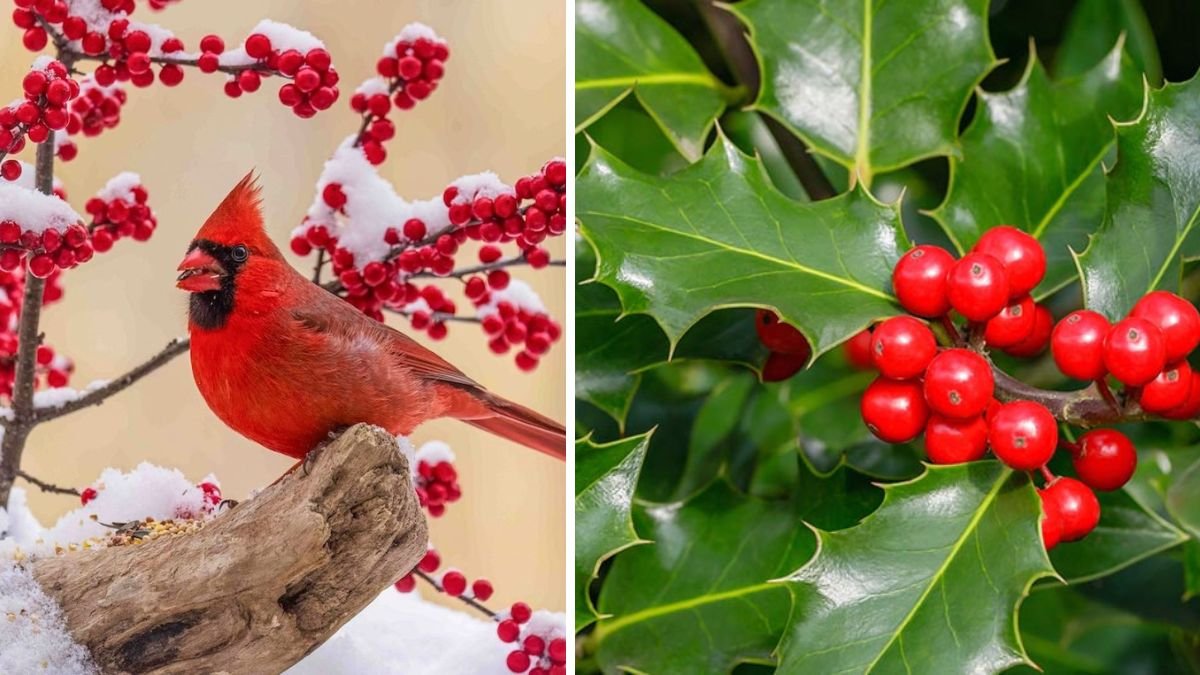

Winterberry (Ilex verticillata) is a deciduous holly native to North America, celebrated for its bright red berries that persist into winter. Unlike many shrubs that fade with the first frost, winterberry provides vibrant color, texture, and wildlife interest during the cold months. According to horticulture experts, growing winterberry successfully requires attention to soil, pollination, and pruning—but the rewards are well worth the effort.
This guide will cover everything you need to know to plant, care for, and enjoy winterberry bushes year-round.
Why Winterberry Is Special
Winterberry is a unique shrub because of its seasonal color and wildlife benefits:
- Bright red berries: Provide a striking contrast against bare branches and snow.
- Wildlife magnet: Birds and small mammals feed on the berries during winter.
- Low-maintenance: Once established, it requires minimal care.
- Adaptable: Thrives in wetland areas, garden beds, and natural landscapes.
Experts note that winterberry’s ornamental value peaks after the leaves drop in late fall, giving winter gardens much-needed color.
Choosing the Right Location
Winterberry bushes have specific growing requirements:
- Sunlight: Full sun to partial shade is ideal. More sun produces better berry color and abundance.
- Soil: Prefers acidic, moist, well-drained soils. Wet soils are tolerated better than dry soils.
- Space: Mature shrubs can grow 6–12 feet tall and wide, so plant accordingly.
Avoid areas prone to standing water or heavy shade, as these conditions reduce berry production and overall health.
Male and Female Plants
Winterberry is dioecious, meaning male and female flowers grow on separate plants. Only female plants produce berries—and only if a male plant is nearby for pollination.
Pollination tips:
- Plant at least one male for every 3–5 female plants.
- Choose male and female cultivars that bloom simultaneously.
- Examples of female cultivars: ‘Red Sprite,’ ‘Winter Red,’ ‘Afterglow.’
- Examples of male cultivars: ‘Jim Dandy,’ ‘Centennial.’
Experts emphasize that without male pollinators, female plants will flower but never set berries.
Planting Winterberry
- Timing: Plant in spring or fall for optimal establishment.
- Soil preparation: Test soil pH—winterberry prefers 4.5–5.5. Amend with peat moss or acidic compost if needed.
- Planting hole: Dig a hole twice as wide and the same depth as the root ball.
- Spacing: Allow 6–12 feet between shrubs for growth and airflow.
- Mulching: Apply 2–3 inches of mulch around the base to conserve moisture and protect roots from temperature fluctuations.
Experts recommend watering deeply at planting and during dry periods the first two growing seasons.
Watering and Fertilizing
- Watering: Keep soil consistently moist, especially for the first year. Once established, winterberry tolerates occasional dry spells.
- Fertilizing: Apply a slow-release, acid-loving plant fertilizer in early spring. Avoid over-fertilization, which can encourage leaf growth at the expense of berries.
Winterberry benefits from careful monitoring of moisture and nutrients during the early establishment phase.
Pruning for Health and Beauty
Pruning is essential for shaping, controlling size, and encouraging berry production.
Expert pruning tips:
- Timing: Late winter or early spring before new growth begins. Avoid pruning in fall, as this removes winter berries.
- Technique: Remove dead, diseased, or crossing branches first. Thin out older stems to promote new growth.
- Shaping: Maintain a rounded, open form for better airflow and sunlight penetration.
Proper pruning ensures a visually appealing shrub while maximizing berry production.
Encouraging Maximum Berry Production
Winterberry flowers are small and easy to overlook, but proper care maximizes berry yield:
- Ensure a healthy ratio of male to female plants for pollination.
- Provide full sun to enhance flowering and berry color.
- Fertilize moderately to avoid excessive leafy growth.
- Remove competing weeds and grass around the base.
Experts emphasize that berry abundance increases as the shrub matures, with peak production often occurring after 3–5 years.
Winter Care and Maintenance
Winterberry is hardy and low-maintenance, but a few steps improve survival and beauty:
- Mulching: Protect roots from freeze-thaw cycles.
- Watering: Ensure soil isn’t bone-dry before heavy frost sets in.
- Protect young shrubs: Consider burlap screens in areas with harsh winter winds.
- Bird enjoyment: Winterberry attracts wildlife; avoid removing berries prematurely.
These measures maintain plant health and prolong visual interest throughout the season.
Common Problems and How to Avoid Them
- Poor berry set: Usually caused by absence of male pollinator or insufficient sunlight.
- Leaf yellowing: Often indicates soil pH imbalance or nutrient deficiency.
- Pests: Aphids and scale insects can occasionally appear; treat with horticultural oil or insecticidal soap if needed.
- Fungal issues: Powdery mildew can affect leaves; ensure good airflow and avoid overhead watering.
Experts note that most winterberry issues are preventable with proper site selection, planting, and care.
Design Ideas Using Winterberry
Winterberry is versatile in landscape design:
- Mass plantings: Create a striking winter hedge or border with multiple female shrubs and a few male pollinators.
- Mixed borders: Combine with evergreens, ornamental grasses, and late-blooming perennials for layered seasonal interest.
- Containers: Dwarf varieties can thrive in large containers, providing winter color on patios or decks.
- Wildlife gardens: Use near bird feeders or water features to attract wildlife.
Experts suggest mixing cultivars to achieve varying heights, berry colors, and textures.
Final Thoughts
Winterberry bushes are a beautiful addition to any landscape, providing seasonal color, texture, and wildlife benefits when most other plants fade. According to horticulture experts, choosing the right male-to-female ratio, planting in acidic, moist soil, providing adequate sunlight, and pruning carefully are the keys to success.
With proper care, winterberry not only brightens the garden in winter but also creates a living, sustainable habitat for birds and other wildlife. By planting thoughtfully and maintaining good garden practices, gardeners can enjoy a spectacular display of red berries and lush green stems year after year.
Winterberry proves that even in the coldest months, your garden can remain vibrant, dynamic, and full of life.