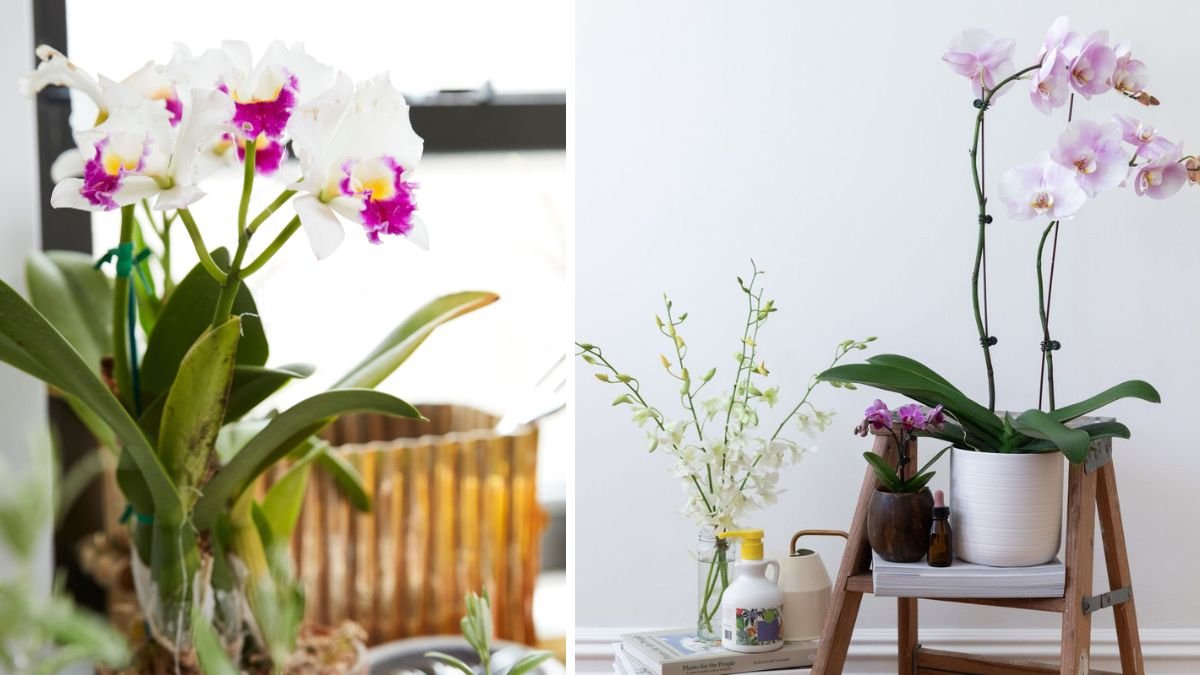

Orchids have a reputation for being fussy, but when it comes to fertilizing, the real challenge is not doing too much. According to orchid experts, improper fertilization—especially overfeeding—is one of the most common reasons orchids stop blooming or decline over time. When done correctly, fertilizing supports healthy roots, strong leaves, and the energy needed for long-lasting, repeat blooms.
Understanding what orchids need, when they need it, and how to apply fertilizer properly can make the difference between an orchid that merely survives and one that blooms beautifully year after year.
Why Fertilizing Orchids Is Different
Unlike most houseplants, many orchids are epiphytes, meaning they grow attached to trees in nature rather than in soil. Their roots are exposed to air, rain, and small amounts of nutrients washed down from leaves and bark above.
Experts emphasize that orchids are adapted to light, frequent feeding, not heavy doses of fertilizer. This natural growth habit explains why concentrated fertilizers can quickly damage orchid roots and stall blooming.
Understanding Orchid Growth Cycles
To fertilize orchids correctly, it’s important to recognize their growth stages. Orchids cycle through periods of active growth, blooming, and rest.
Experts generally break the cycle into:
- Active growth: New leaves and roots appear
- Blooming: Energy is directed toward flowers
- Rest: Growth slows after blooms fade
Fertilizing should be adjusted during each phase to support the plant without stressing it.
Choosing the Right Fertilizer
Not all fertilizers are suitable for orchids. Experts recommend using a fertilizer specifically formulated for orchids or a balanced houseplant fertilizer diluted heavily.
Look for:
- A balanced formula (such as 20-20-20 or similar)
- Low urea nitrogen content
- Water-soluble fertilizer
Some orchid growers prefer bloom-boosting formulas, but experts caution that these are not necessary if overall plant health is strong.
The “Weakly, Weekly” Method Experts Recommend
One of the most widely endorsed orchid fertilizing techniques is the “weakly, weekly” approach. This means feeding orchids with a very diluted fertilizer solution on a regular basis.
How it works:
- Dilute fertilizer to one-quarter or one-eighth strength
- Apply once a week during active growth
- Reduce frequency during rest periods
This mimics how orchids receive nutrients in nature and minimizes the risk of root burn.
When to Fertilize Orchids
Timing matters just as much as the type of fertilizer you use.
Experts recommend:
- Fertilizing during spring and summer when growth is active
- Reducing fertilization in fall
- Pausing or feeding very lightly during winter rest
Never fertilize a dry orchid. Always water first, then fertilize to protect sensitive roots.
How to Apply Fertilizer Properly
The method of application can affect how well orchids absorb nutrients.
Expert tips include:
- Water orchids thoroughly before fertilizing
- Apply fertilizer evenly to the growing medium
- Allow excess water to drain completely
Avoid letting orchids sit in fertilizer runoff, which can lead to salt buildup and root damage.
Understanding Water Quality and Fertilizer
Water quality plays a significant role in orchid fertilization. Experts note that hard water already contains minerals that can accumulate over time.
If possible:
- Use rainwater, distilled water, or filtered water
- Flush pots with plain water once a month to remove salts
This flushing step is essential for preventing fertilizer residue from interfering with nutrient absorption.
Fertilizing During Blooming: Yes or No?
Many orchid owners wonder whether they should fertilize while the plant is in bloom. Experts generally agree that light fertilizing during blooming is safe, but it should be done cautiously.
Recommendations include:
- Use a diluted fertilizer
- Avoid fertilizing stressed or dehydrated plants
- Focus on supporting overall health rather than forcing blooms
Once flowers fade, reduce fertilization to allow the orchid to rest.
Common Fertilizing Mistakes to Avoid
Experts see the same fertilizing mistakes repeatedly among orchid growers:
- Overfertilizing: Leads to root burn and poor blooming
- Using full-strength fertilizer: Too harsh for orchid roots
- Fertilizing during dormancy: Disrupts natural growth cycles
- Ignoring salt buildup: Causes long-term damage
Avoiding these mistakes often leads to immediate improvement in plant health.
Signs Your Orchid Is Getting Too Much Fertilizer
Overfertilized orchids show clear warning signs. Experts recommend watching for:
- Burnt or blackened root tips
- White crust on potting media
- Limp or yellowing leaves
- Declining flower production
If you notice these symptoms, stop fertilizing and flush the plant with plain water several times.
Signs Your Orchid Needs Nutrients
Under-fertilized orchids grow slowly but usually remain healthy. Signs may include:
- Pale or yellowing leaves
- Weak new growth
- Smaller blooms
Gradually reintroducing diluted fertilizer can restore balance without shocking the plant.
Adjusting Fertilizer by Orchid Type
While general guidelines apply to most orchids, experts note some variation among species.
- Phalaenopsis: Regular, light feeding works well
- Cattleya: Feed during active growth, reduce after blooming
- Dendrobium: Fertilize heavily during growth, stop during rest
- Oncidium: Consistent but diluted feeding is ideal
Understanding your orchid type helps refine your fertilizing routine.
Fertilizer Alone Won’t Guarantee Blooms
Experts stress that fertilizing is only one part of successful orchid care. Light, temperature, humidity, and proper watering all influence blooming.
Without adequate light, no amount of fertilizer will produce flowers. Fertilization supports blooming—it doesn’t replace environmental needs.
Final Thoughts
Fertilizing orchids just right is about restraint, consistency, and observation. Experts agree that orchids thrive when fed lightly, regularly, and in sync with their natural growth cycles.
By choosing the right fertilizer, diluting it properly, timing applications carefully, and flushing salts regularly, you can keep your orchids healthy and encourage beautiful, long-lasting blooms year after year. With a little patience and the right approach, orchids are far less intimidating—and far more rewarding—than their reputation suggests.