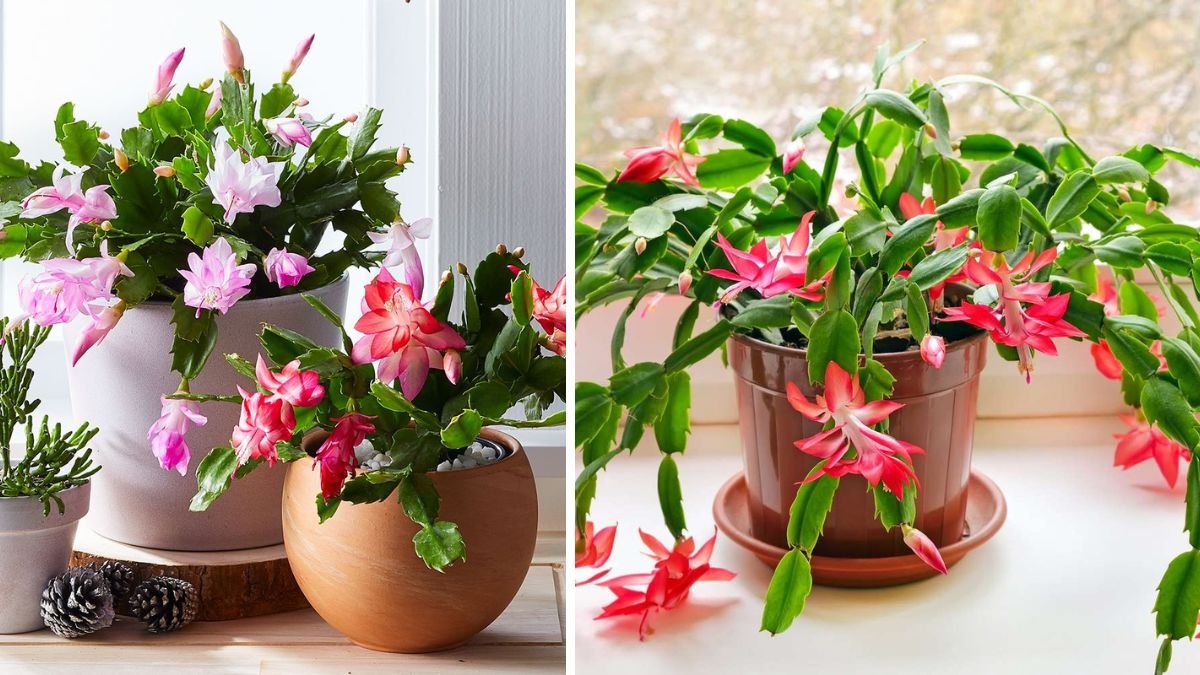

Once the holiday decorations come down, many Christmas cactus owners are left wondering what to do next. These festive plants often steal the spotlight in November and December with their vibrant blooms, but proper post-holiday care is what keeps them healthy—and blooming again next year. According to plant experts, the weeks after flowering are a critical transition period for your Christmas cactus.
With the right approach, your plant can recover from blooming, grow stronger through the year, and set buds for another stunning holiday display. Here’s how to care for your Christmas cactus after the holidays are over, step by step.
Understanding the Christmas Cactus Life Cycle
Christmas cactus (Schlumbergera) is not a desert cactus, despite the name. Native to tropical rainforests in Brazil, it grows attached to trees and rocks, absorbing moisture from humid air and rain. Experts note that this epiphytic lifestyle explains why Christmas cactus needs very different care from typical cacti.
After the holidays, your plant usually enters a rest and recovery phase. Flowering takes energy, and the plant needs time to rebuild before starting its next growth cycle in spring.
What to Do After the Flowers Fade
When the blooms begin to wilt and fall off, resist the urge to panic or drastically change care. Experts recommend a gentle transition rather than abrupt adjustments.
- Remove spent flowers by gently pinching them off.
- Continue normal care for a few weeks while the plant stabilizes.
- Avoid repotting or heavy fertilizing immediately after blooming.
This recovery period helps the plant regain strength without additional stress.
Light: Keep It Bright but Gentle
After the holidays, your Christmas cactus still needs bright, indirect light to support healthy growth.
Best light conditions include:
- Near an east- or north-facing window
- Filtered light through sheer curtains
- Bright rooms without harsh sun exposure
Too much direct sunlight can cause leaf segments to turn red or yellow, while too little light may slow growth. Experts emphasize consistency—frequent location changes can disrupt the plant’s rhythm.
Watering: Adjust Slowly, Not Suddenly
Watering needs remain moderate after flowering, but many people overwater during winter months. Christmas cactus prefers soil that stays slightly moist, not soggy.
Expert watering tips:
- Water when the top inch of soil feels dry
- Use room-temperature water
- Ensure excess water drains freely
Signs of overwatering include limp, mushy segments and leaf drop. Underwatering causes shriveled, wrinkled segments. Balance is key, especially during the post-holiday recovery phase.
Soil and Drainage: Prevent Root Stress
Healthy roots are essential for reblooming next season. Experts recommend a light, well-draining soil mix, such as:
- Standard potting soil mixed with perlite or orchid bark
- Commercial cactus mixes amended for better moisture retention
Drainage holes are non-negotiable. Sitting in water can quickly lead to root rot, which is one of the most common Christmas cactus problems after the holidays.
Temperature: Cool and Stable Is Ideal
Temperature plays a major role in Christmas cactus health year-round. After the holidays, experts suggest keeping your plant in a cool but comfortable environment.
- Ideal range: 60–70°F (15–21°C)
- Avoid heaters, fireplaces, and cold drafts
- Keep away from frequently opened doors or vents
Sudden temperature changes can cause buds or segments to drop, even after flowering has ended.
Humidity: Think “Tropical,” Not “Desert”
Because Christmas cactus originates in humid rainforests, it appreciates higher humidity than most homes provide in winter.
Ways experts recommend boosting humidity:
- Place a pebble tray with water beneath the pot
- Group plants together
- Use a humidifier nearby
While not strictly necessary, increased humidity encourages stronger growth and prevents dry, shriveled segments.
Fertilizing: When (and When Not) to Feed
One of the biggest post-holiday mistakes is fertilizing too soon. Experts advise waiting 4–6 weeks after flowering ends before feeding.
Once new growth appears:
- Use a balanced houseplant fertilizer
- Dilute to half strength
- Feed every 4 weeks during spring and summer
Stop fertilizing in early fall to prepare the plant for bud formation later in the year.
Pruning: Shape and Strengthen Your Plant
Late winter or early spring is the perfect time to prune your Christmas cactus. Experts agree that pruning helps:
- Encourage fuller, bushier growth
- Remove weak or damaged segments
- Improve overall shape
How to prune properly:
- Twist or cut segments at the joint
- Never remove more than one-third of the plant
- Use clean tools to prevent disease
Bonus: Healthy cuttings can be propagated to create new plants.
Repotting: Only If Necessary
Christmas cactus prefers being slightly root-bound, so experts recommend repotting only every 2–3 years, and never immediately after blooming unless there’s a problem.
Signs repotting is needed:
- Roots growing out of drainage holes
- Soil drying out extremely fast
- Stunted growth despite good care
When repotting, move up only one pot size to avoid excess moisture retention.
Encouraging Growth Through Spring and Summer
As daylight increases, your Christmas cactus will shift into active growth mode. Experts suggest:
- Gradually increasing watering
- Maintaining bright, indirect light
- Feeding regularly once growth begins
You may move the plant outdoors in warm months if temperatures stay above 55°F, but keep it in shade or filtered light. Direct sun can burn the segments quickly.
Preparing for Next Year’s Blooms
Post-holiday care directly affects whether your Christmas cactus blooms again. Experts emphasize that healthy growth throughout spring and summer lays the foundation for fall bud formation.
In early fall:
- Reduce watering slightly
- Provide cooler temperatures at night
- Ensure 12–14 hours of darkness daily for several weeks
This combination signals the plant to set buds for the holiday season.
Common Post-Holiday Problems—and Solutions
Even with good care, issues can arise. Experts highlight a few common ones:
- Dropping segments: Temperature stress or overwatering
- Wrinkled leaves: Underwatering or low humidity
- No blooms next year: Too much light at night or lack of cool temperatures
- Red or purple segments: Excess sun or temperature extremes
Addressing problems early helps prevent long-term damage.
Final Thoughts
Caring for your Christmas cactus after the holidays is less about dramatic changes and more about thoughtful consistency. Once the blooms fade, gentle watering, stable temperatures, proper light, and patience allow the plant to recover and thrive.
With expert-backed care, your Christmas cactus can live for decades—and reward you with stunning blooms every holiday season. Treat the post-holiday period as an investment in next year’s flowers, and your plant will thank you with color and vitality year after year.