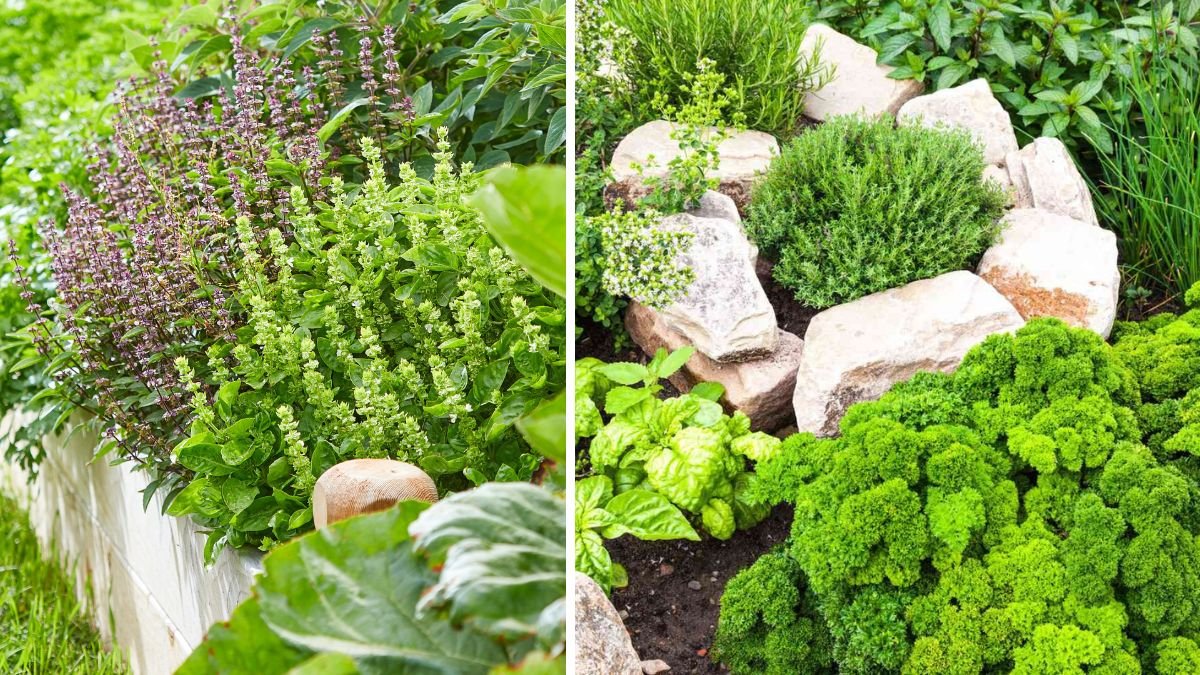

Rosemary is already a magnet for bees, butterflies, and other beneficial insects—but according to gardening experts, it can do even more when paired with the right companion herbs. By planting complementary herbs next to rosemary, you can turn a simple herb bed into a vibrant pollinator hub that supports your garden’s health, productivity, and biodiversity.
Pollinators don’t just benefit flowers and vegetables—they also help herbs grow stronger, bloom better, and produce more flavorful leaves. Here’s how to fill your garden with pollinators by choosing the best herbs to plant alongside rosemary, plus expert tips for creating a thriving, pollinator-friendly herb garden.
Why Rosemary Attracts Pollinators
Rosemary (Salvia rosmarinus) is a favorite among pollinators for several reasons. Experts explain that its small, nectar-rich flowers are easy for bees and butterflies to access, and its long blooming period—often from early spring through fall in mild climates—provides a reliable food source.
Additional benefits include:
- Drought tolerance once established
- Strong fragrance that deters pests
- Evergreen structure that offers shelter
Rosemary serves as an anchor plant, attracting pollinators that then explore neighboring herbs.
The Power of Companion Planting
Companion planting is the practice of growing certain plants together for mutual benefit. According to horticulturists, pairing rosemary with the right herbs can:
- Extend the blooming season
- Attract a wider range of pollinators
- Improve pest resistance
- Enhance overall garden resilience
Herbs with similar growing needs make the best companions, especially when it comes to sun exposure and watering habits.
What Pollinators Look for in Herbs
Experts say pollinators are drawn to:
- Abundant nectar and pollen
- Open or tubular flowers
- Repeated blooming cycles
- Diverse colors and shapes
Planting a mix of herbs that flower at different times ensures pollinators have food throughout the growing season.
1. Thyme
Thyme is one of the best herbs to plant next to rosemary. Its tiny flowers may look modest, but they are packed with nectar.
Why pollinators love it:
Bees flock to thyme when it’s in bloom, often covering entire plants.
Why it pairs well with rosemary:
- Prefers full sun
- Thrives in well-drained soil
- Tolerates dry conditions
Plant thyme as a low-growing groundcover around rosemary to maximize space and attract pollinators at ground level.
2. Sage
Sage produces tall flower spikes that are especially attractive to bees and hummingbirds.
Pollinator appeal:
The tubular flowers provide easy access to nectar, making sage a favorite for long-tongued pollinators.
Growing compatibility:
- Similar water needs to rosemary
- Thrives in sunny locations
- Hardy and low maintenance
Let sage flower fully rather than harvesting aggressively if your goal is pollinator support.
3. Lavender
Lavender and rosemary are classic companions for a reason. Experts consider lavender one of the strongest pollinator-attracting herbs.
Why pollinators love it:
- Strong fragrance
- High nectar production
- Long blooming period
Garden benefits:
Lavender attracts bees that also visit rosemary flowers, increasing pollination across your garden.
Plant lavender nearby but allow space for airflow, as both plants prefer dry conditions.
4. Oregano
Oregano often surprises gardeners when it blooms, producing clusters of tiny flowers that are irresistible to pollinators.
Why it’s effective:
- Blooms profusely if allowed
- Attracts bees, butterflies, and hoverflies
- Thrives in poor soil
Experts recommend letting oregano flower fully rather than trimming it back constantly.
5. Basil (Let It Flower!)
While basil is often pinched to delay flowering, experts say letting some plants bloom is a gift to pollinators.
Pollinator appeal:
- Small, nectar-rich flowers
- Attracts bees and beneficial insects
Placement tip:
Plant basil near rosemary but give it slightly more water. Allowing just one or two basil plants to flower supports pollinators without sacrificing harvest.
6. Chives
Chives produce round, purple flower heads that are among the most pollinator-friendly blooms in an herb garden.
Why pollinators love chives:
- High nectar content
- Visible, clustered blooms
- Long flowering window
Chives also deter pests, making them a functional companion plant.
Herbs to Avoid Planting Right Next to Rosemary
Not all herbs are ideal neighbors. Experts caution against planting moisture-loving herbs directly next to rosemary.
Avoid close pairing with:
- Cilantro
- Parsley
- Mint (invasive growth)
These herbs prefer richer soil and more frequent watering, which can stress rosemary.
Design Tips for a Pollinator-Friendly Herb Garden
Experts recommend a few simple strategies:
- Group herbs in clusters rather than single plants
- Allow herbs to flower naturally
- Avoid pesticides, even organic ones
- Provide shallow water sources
The more diverse and relaxed your garden, the more pollinators it will attract.
Seasonal Bloom Planning
To keep pollinators visiting all season, plan for staggered blooms:
- Early spring: rosemary, chives
- Mid-season: sage, thyme, oregano
- Late summer: basil, lavender
This ensures consistent nectar availability.
The Bigger Impact of Pollinator Herbs
Pollinators don’t stay in one spot. Experts explain that attracting them to your rosemary bed benefits nearby vegetables, fruit trees, and flowers.
Benefits include:
- Improved yields
- Healthier plants
- Greater biodiversity
- Stronger garden ecosystem
A small herb garden can make a big ecological difference.
Final Thoughts
Rosemary is already a pollinator favorite, but when paired with the right herbs, it becomes the heart of a thriving, pollinator-friendly garden. By planting herbs like thyme, sage, lavender, oregano, basil, and chives nearby, you create a layered habitat that supports bees, butterflies, and beneficial insects throughout the growing season.
Gardeners agree: letting herbs bloom a little wild isn’t messy—it’s meaningful. With thoughtful companion planting and minimal intervention, your rosemary bed can become one of the most active and beneficial areas of your garden.
If you’d like, I can also: