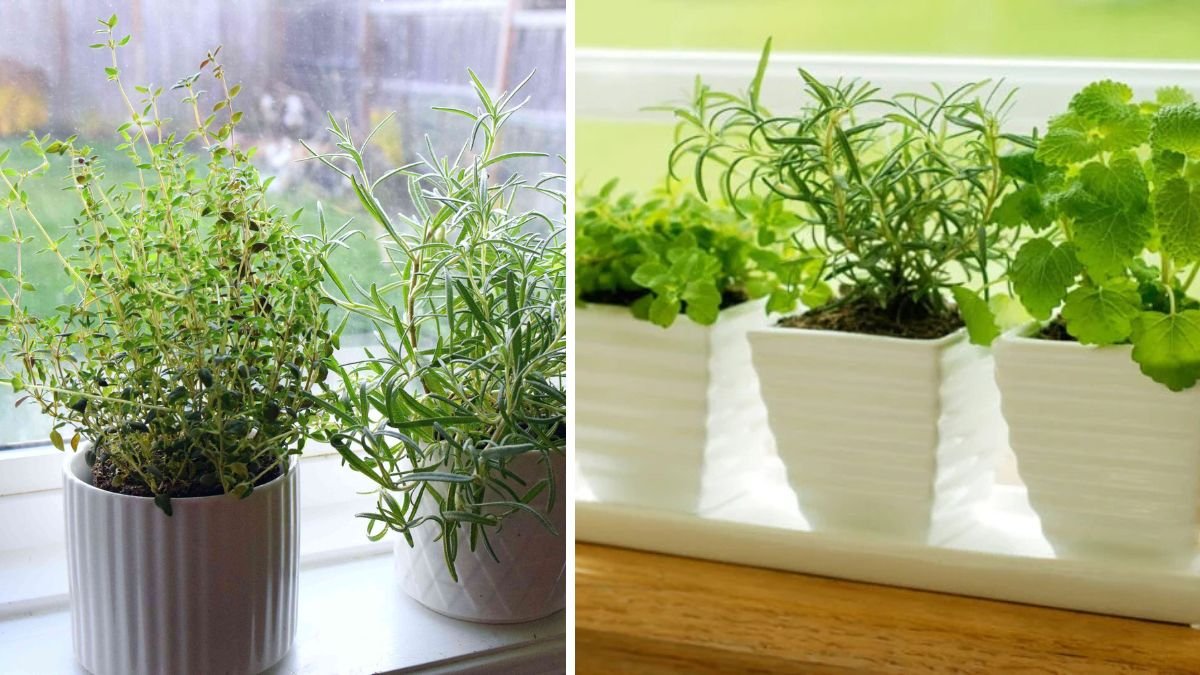

Growing an indoor herb garden is one of the most rewarding ways to bring fresh flavor, greenery, and life into your home. From snipping basil for pasta to adding fresh mint to tea, indoor herbs offer convenience and satisfaction all year long. But while herbs may seem simple, experts agree that success depends on understanding their specific needs—and avoiding a few common mistakes.
Whether you’re a beginner or have struggled with herbs in the past, this expert-backed guide will show you how to start an indoor herb garden and keep it thriving through every season.
Why Indoor Herb Gardens Are Worth It
Indoor herb gardens are more than a trend. According to horticulture experts, they offer multiple benefits:
- Fresh herbs on demand, regardless of weather
- Better flavor and nutrition than store-bought herbs
- Improved indoor air quality
- A low-maintenance introduction to gardening
Unlike outdoor gardens, indoor herb gardens allow for greater control over light, water, and temperature—making year-round growth possible with the right setup.
Start with the Right Herbs
Experts stress that not all herbs are equally suited for indoor life. Choosing beginner-friendly varieties sets you up for success.
Best herbs for indoor gardening include:
- Basil
- Mint
- Parsley
- Chives
- Thyme
- Oregano
- Rosemary (with bright light)
Avoid starting with finicky herbs like cilantro or dill unless you’re prepared for a shorter growing cycle.
Tip from experts: Start small. Growing three to five herbs is easier to manage than overcrowding your space with too many plants.
Seeds vs. Starter Plants: What Experts Recommend
You can start herbs from seed or buy young plants, but experts often recommend starter plants for beginners.
- Starter plants: Faster results, fewer early failures
- Seeds: More variety, lower cost, but require patience and consistent care
If starting from seed, use shallow trays and keep soil consistently moist until germination. Once seedlings are established, they can be transplanted into individual pots.
Light: The Most Important Factor
Lighting is the number one reason indoor herb gardens fail. Most culinary herbs require at least 6–8 hours of bright light daily, and experts say natural light alone often isn’t enough.
Best lighting options:
- South- or west-facing windows
- Supplemental LED grow lights
- Adjustable desk-style grow lamps for small setups
Rotate pots weekly so plants grow evenly. Without enough light, herbs become leggy, pale, and weak—and flavor suffers.
Choosing the Right Containers
Experts emphasize that containers matter more than aesthetics when it comes to herbs.
Key container tips:
- Always use pots with drainage holes
- Avoid oversized containers that hold excess moisture
- Use individual pots rather than one crowded planter
Terracotta pots are popular because they allow soil to dry out more evenly, reducing the risk of overwatering.
Soil: Well-Draining Is Non-Negotiable
Herbs hate sitting in wet soil. According to experts, the ideal soil mix is:
- Lightweight
- Well-draining
- Rich in organic matter
A high-quality potting mix amended with perlite or sand works well. Avoid garden soil, which compacts easily and restricts root airflow.
Watering: Consistency Beats Frequency
Overwatering is the most common indoor herb mistake. Experts recommend watering based on soil dryness—not a strict schedule.
General watering guidelines:
- Water when the top inch of soil feels dry
- Water thoroughly until excess drains out
- Empty saucers to prevent soggy roots
Mediterranean herbs like rosemary and thyme prefer drier conditions, while basil and parsley like slightly more moisture. Learn each herb’s preference rather than treating them all the same.
Temperature and Air Circulation
Indoor herbs thrive in temperatures between 65–75°F (18–24°C). Experts warn against placing herbs near:
- Heating vents
- Drafty windows
- Stoves or appliances
Good air circulation helps prevent pests and fungal issues. A small fan set on low can improve airflow, especially in kitchens or compact spaces.
Feeding Your Herbs the Right Way
Because herbs are harvested frequently, they benefit from regular feeding—but only in moderation.
Expert fertilizing tips:
- Use a balanced, water-soluble fertilizer
- Dilute to half strength
- Feed every 4–6 weeks during active growth
Over-fertilizing can reduce flavor intensity, causing herbs to grow quickly but taste bland.
Pruning and Harvesting: Grow More by Cutting Back
Experts agree that proper harvesting keeps herbs productive and prevents legginess.
Best practices include:
- Harvest no more than one-third of the plant at a time
- Cut just above a leaf node
- Harvest regularly, even if you don’t need the herbs
Frequent pruning encourages bushier growth and extends the life of your plants.
Managing Pests Indoors
Indoor herbs are less prone to pests, but problems can still occur. Experts say the most common indoor herb pests are:
- Aphids
- Spider mites
- Fungus gnats
Inspect plants weekly, especially under leaves. If pests appear:
- Rinse plants gently with water
- Use insecticidal soap or neem oil
- Improve air circulation and reduce overwatering
Avoid chemical pesticides on edible plants whenever possible.
Keeping Herbs Thriving Through Winter
Winter presents unique challenges due to shorter days and dry indoor air. Experts recommend:
- Increasing light with grow lamps
- Reducing watering frequency
- Boosting humidity with pebble trays or humidifiers
Some herbs may grow more slowly during winter, but with proper care, they’ll remain healthy until spring.
When to Replace Herbs
Even with excellent care, some herbs are short-lived indoors. Experts note that basil and cilantro often decline after several months.
Signs it’s time to replace a plant:
- Woody stems
- Weak growth
- Declining flavor
- Repeated pest issues
Succession planting—starting new herbs every few months—keeps your indoor garden fresh and productive.
Final Thoughts
Starting an indoor herb garden is easier than many people think, but keeping it thriving all year requires attention to light, watering, and regular maintenance. Experts agree that success comes from consistency rather than perfection.
By choosing the right herbs, providing adequate light, using well-draining soil, and harvesting often, you can enjoy fresh, flavorful herbs no matter the season. With a little care and observation, your indoor herb garden can become one of the most useful—and enjoyable—features of your home.