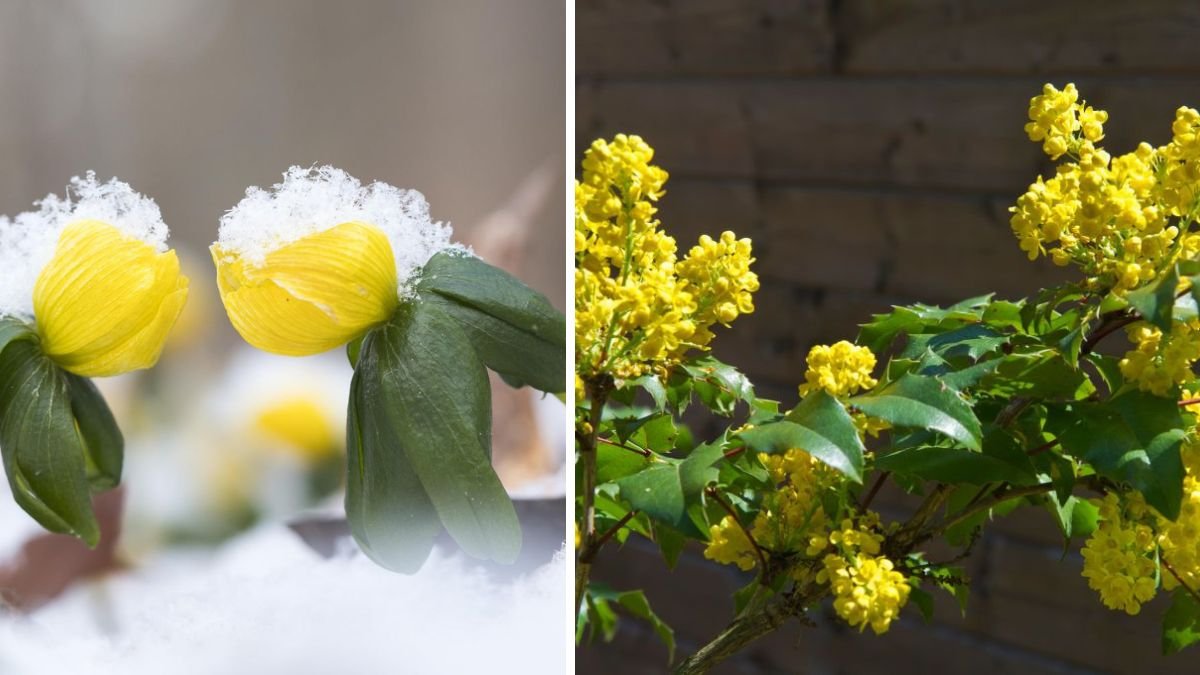

Spotting flowers in January can feel alarming, especially when winter is supposed to be a season of dormancy. Many gardeners worry that unseasonal blooms signal climate stress, plant confusion, or impending damage. But according to gardening experts, not all winter blooms are a cause for concern. In fact, some plants are biologically programmed to flower during the coldest months of the year.
From delicate bulbs pushing through frozen soil to shrubs that save their best show for midwinter, these plants bloom on schedule—even when snow is still on the ground. If you notice flowers opening in January, don’t panic just yet. Here are five flowers gardeners say are supposed to bloom right now, along with why they do and how to care for them.
Why Some Flowers Bloom in January
Most flowering plants rely on warmth and long daylight hours, but winter bloomers follow a different strategy. According to experts, these plants evolved to:
- Avoid competition for pollinators
- Take advantage of early-season insects
- Use stored energy rather than new growth
- Withstand freezing temperatures and snow cover
Many winter bloomers form buds months earlier, then wait for a brief window of favorable conditions to open—even in the depths of winter.
1. Hellebores (Lenten Rose)
Hellebores are often the first flowers to appear in winter gardens, sometimes blooming as early as December and continuing through March.
Why they bloom in January:
Hellebores are cold-hardy perennials that rely on stored energy from the previous growing season. Gardeners note that their thick stems and leathery leaves protect them from frost damage.
What they look like:
- Cup-shaped flowers in white, pink, purple, green, or speckled tones
- Evergreen foliage that provides year-round interest
Care tips from gardeners:
- Plant in partial shade
- Keep soil well-draining
- Remove old leaves in late fall to showcase winter blooms
Seeing hellebores bloom in January is not just normal—it’s expected.
2. Snowdrops (Galanthus)
Snowdrops are famous for appearing through snow, often blooming in January even when temperatures remain near freezing.
Why they bloom in January:
Snowdrops are true winter bulbs. Experts explain that they contain natural antifreeze proteins that protect their cells from freezing, allowing them to flower safely in cold conditions.
What they look like:
- Tiny white, nodding flowers
- Slender green leaves
- Delicate but surprisingly tough
Gardener insight:
Snowdrops often bloom earlier in mild winters but still follow their natural schedule. Once planted, they multiply and return reliably each year.
Care tips:
- Plant bulbs in fall
- Choose well-draining soil
- Let foliage die back naturally after blooming
If you see snowdrops in January, your garden is doing exactly what it should.
3. Winter Jasmine (Jasminum nudiflorum)
Unlike fragrant summer jasmine, winter jasmine brightens January landscapes with bold yellow blooms on bare stems.
Why it blooms in January:
Gardeners explain that winter jasmine blooms on old wood, meaning buds formed during the previous growing season and open regardless of winter dormancy.
What it looks like:
- Bright yellow, star-shaped flowers
- Leafless green stems
- A sprawling or cascading growth habit
Where it thrives:
- Mild to moderate winter climates
- Slopes, walls, or trained as a groundcover
Care tips:
- Prune after flowering
- Provide full sun to partial shade
- Protect from extreme cold winds if possible
Its cheerful blooms are meant to brighten the bleakest weeks of winter.
4. Witch Hazel (Hamamelis)
Witch hazel is a deciduous shrub that blooms dramatically in winter, often between January and February.
Why it blooms in January:
According to horticultural experts, witch hazel flowers are triggered by temperature fluctuations rather than daylight length. The petals curl tightly in freezing weather and unfurl when temperatures rise.
What it looks like:
- Ribbon-like flowers in yellow, orange, or red
- A light, spicy fragrance
- Blooms appear on bare branches
Gardener-approved benefits:
- Provides winter interest
- Attracts early pollinators
- Extremely cold-hardy
Care tips:
- Plant in full sun to partial shade
- Allow space to mature
- Minimal pruning needed
Witch hazel blooming in January is a sign of a healthy, mature shrub—not a problem.
5. Cyclamen (Hardy Varieties)
While florist cyclamen are often indoor plants, hardy cyclamen varieties bloom outdoors during winter in suitable climates.
Why they bloom in January:
Hardy cyclamen are adapted to Mediterranean-style climates with cool, wet winters. Gardeners note that these plants naturally grow and flower when temperatures are low.
What they look like:
- Upswept petals in pink, white, or red
- Heart-shaped, patterned leaves
- Compact growth close to the ground
Care tips:
- Plant in partial shade
- Avoid waterlogged soil
- Allow summer dormancy
Seeing cyclamen flowers in January is completely normal where winters are mild.
When January Blooms Are a Concern
While the flowers above are expected winter bloomers, gardeners caution that some blooms can signal stress—especially if they’re out of season for that plant.
Be cautious if you notice:
- Spring bulbs blooming months early
- Fruit trees flowering in midwinter
- New leaf growth on tender perennials
These can indicate unusual weather patterns that may expose plants to frost damage later.
How to Protect January Bloomers
Experts recommend minimal interference for winter-blooming plants. However, a few steps can help protect them during harsh weather.
- Apply mulch to insulate roots
- Cover plants during extreme cold snaps
- Avoid heavy pruning in winter
- Don’t fertilize during active blooming
Winter bloomers are tough, but stability helps them perform better.
Why Winter Flowers Matter
Gardeners emphasize that January blooms serve an important role:
- They provide nectar for early pollinators
- Add visual interest to winter landscapes
- Signal seasonal transitions
- Offer reassurance that spring will return
These flowers remind us that gardens are never truly dormant—just quietly active.
Final Thoughts
Seeing flowers in January doesn’t always mean something has gone wrong. In many cases, it means your garden is following nature’s plan perfectly. Plants like hellebores, snowdrops, winter jasmine, witch hazel, and hardy cyclamen are designed to bloom when little else does.
Gardeners agree: before you panic, identify the plant. If it’s one of these winter bloomers, enjoy the unexpected beauty. January flowers are not a mistake—they’re one of gardening’s most delightful surprises.