
Not every garden is blessed with bright, all-day sunshine—and that’s not a bad thing. Shady yards, north-facing beds, and areas beneath trees can become lush, vibrant spaces when planted with the right shade-loving plants. According to horticulture experts, many plants not only tolerate low light but actually thrive in it, offering rich foliage, texture, and even colorful blooms.
If you’re struggling with a garden spot where sun won’t reach, these 12 shade-loving plants are proven performers that bring life and beauty to even the dimmest corners.
Understanding Shade in the Garden
Before planting, experts stress the importance of knowing what kind of shade you’re dealing with:
- Full shade: Less than 3 hours of direct sun
- Partial shade: 3–6 hours of filtered or indirect sun
- Dappled shade: Sunlight filtered through trees
Choosing plants suited to your shade level ensures healthier growth and less maintenance.
1. Hostas
Hostas are a classic shade garden favorite, prized for their bold foliage.
Why they thrive in shade:
Hostas prefer cool, moist soil and low light, which helps prevent leaf scorch.
Expert tip:
Blue-leaved varieties perform best in deeper shade, while variegated types tolerate some morning sun.
2. Ferns
Ferns bring a soft, woodland feel to shady areas.
Why they thrive in shade:
Ferns evolved under forest canopies and prefer consistent moisture and indirect light.
Popular choices:
- Boston fern
- Japanese painted fern
- Maidenhair fern
Ferns add texture and movement without needing sun.
3. Heuchera (Coral Bells)
Heuchera offers colorful foliage ranging from deep purple to lime green.
Why they thrive in shade:
While adaptable, heuchera performs best in partial shade, where colors stay vibrant.
Bonus:
Delicate flower spikes attract pollinators in spring.
4. Astilbe
Astilbe provides feathery plumes of pink, red, or white flowers.
Why it thrives in shade:
Astilbe prefers shade and consistently moist soil.
Expert note:
Without enough shade, astilbe flowers fade quickly.
5. Lungwort (Pulmonaria)
Lungwort features spotted leaves and early spring blooms.
Why it thrives in shade:
It tolerates deep shade and cool temperatures exceptionally well.
Garden benefit:
One of the earliest flowering shade plants, supporting early pollinators.
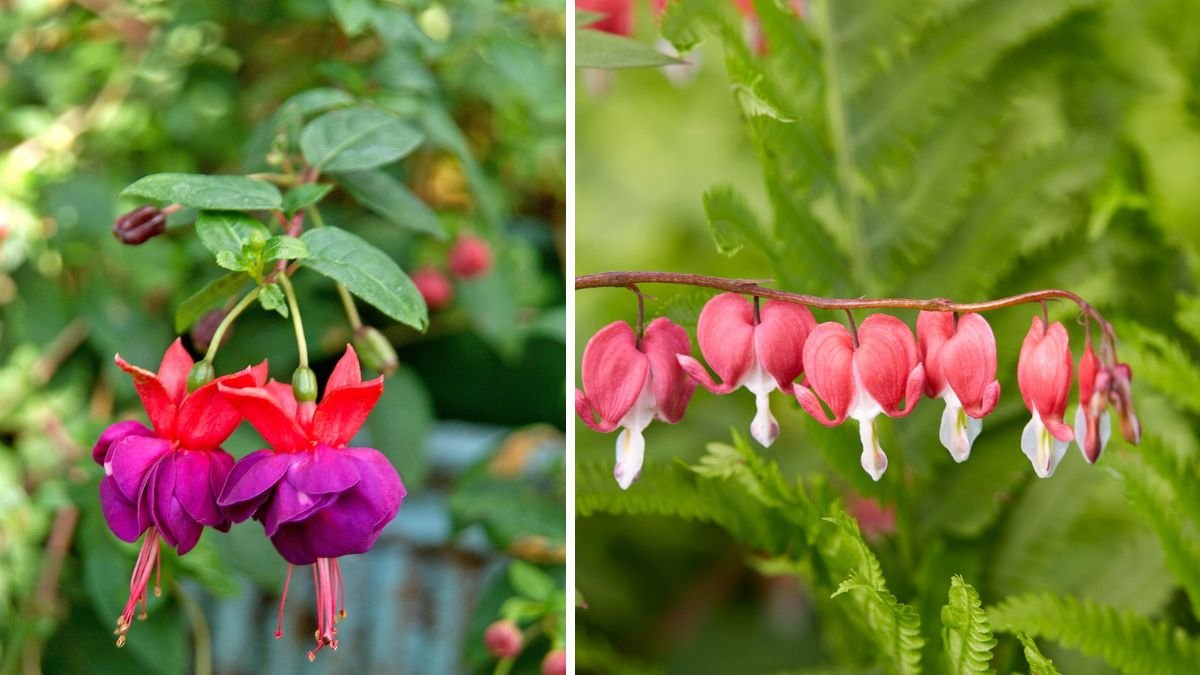
6. Bleeding Heart
Bleeding heart produces elegant, heart-shaped blooms.
Why it thrives in shade:
This plant prefers cool, shaded environments and rich soil.
Seasonal behavior:
It may go dormant in summer heat, making room for other shade plants.
7. Japanese Forest Grass
This ornamental grass brightens shade with cascading blades.
Why it thrives in shade:
Unlike most grasses, it prefers partial to full shade.
Design tip:
Use it to soften edges or add movement under trees.
8. Toad Lily (Tricyrtis)
Toad lily blooms late in the season when many plants fade.
Why it thrives in shade:
It tolerates deep shade and produces orchid-like flowers.
Expert insight:
Perfect for extending color into late summer and fall.
9. Hellebores (Lenten Rose)
Hellebores bloom in late winter or early spring.
Why they thrive in shade:
They prefer filtered shade and well-drained soil.
Bonus:
Evergreen foliage adds year-round interest.
10. Brunnera
Brunnera resembles forget-me-nots with heart-shaped leaves.
Why it thrives in shade:
It performs best in cool, shady locations.
Expert tip:
Variegated varieties brighten dark spaces.
11. Foamflower (Tiarella)
Foamflower is a low-growing perennial with frothy blooms.
Why it thrives in shade:
It spreads gently in woodland settings.
Garden use:
Ideal groundcover for shaded beds.
12. Caladium
Caladium is grown for its dramatic, colorful foliage.
Why it thrives in shade:
Bright leaves actually fade in full sun.
Expert advice:
Excellent for containers and shaded patios.
Soil and Water Tips for Shade Gardens
Shade-loving plants often share similar needs:
- Moist but well-draining soil
- Organic matter such as compost
- Consistent watering
Experts recommend mulching to retain moisture and regulate soil temperature.
Common Mistakes in Shady Gardens
Avoid these expert-identified errors:
- Planting sun-lovers in shade
- Overwatering poorly drained soil
- Ignoring air circulation
- Choosing plants without considering shade type
Matching plants to conditions is key.
Designing a Shade Garden That Feels Lush
Experts suggest:
- Layering plants by height
- Mixing foliage textures
- Adding light-colored leaves
- Including seasonal bloomers
Shade gardens rely more on texture and form than flowers alone.
Final Thoughts
Shade doesn’t have to mean dull or empty. With the right plant choices, even the darkest areas of your garden can become lush, layered, and full of life. From bold hostas and graceful ferns to flowering astilbe and winter-blooming hellebores, these 12 shade-loving plants prove that beauty doesn’t require sunshine.
By understanding your shade conditions and selecting plants that thrive there naturally, you’ll create a low-maintenance garden that flourishes where sun won’t.