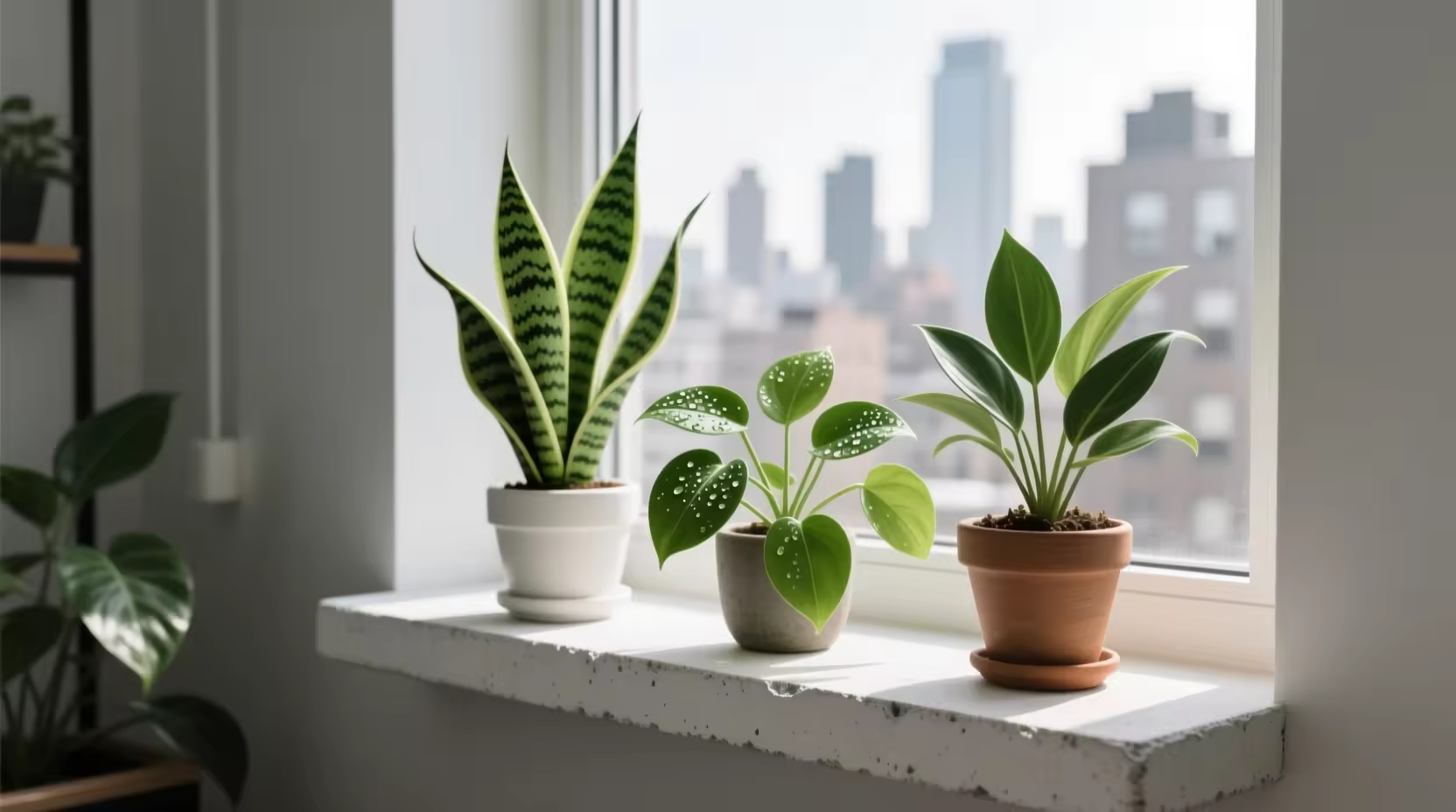

Not everyone has sun-filled rooms, wide windowsills, or endless time for plant care. Yet small indoor plants continue to be one of the easiest ways to bring life, calm, and beauty into real homes—apartments, studios, dorm rooms, and offices. The key to success isn’t choosing trendy plants or following perfect-care rules. It’s understanding realistic plant care for real spaces.
This guide focuses on what small indoor plants actually need, how to choose the right ones for limited space, and how to care for them without turning plant ownership into a chore.
Why Small Indoor Plants Make Sense
Small plants are ideal for modern living. They fit easily into tight spaces, adapt better to indoor conditions, and are often more forgiving than large statement plants.
Benefits of small indoor plants:
- Fit on desks, shelves, and windowsills
- Easier to move and reposition
- Require less water and maintenance
- Lower risk if care mistakes happen
- Perfect for beginners
Small plants offer big impact without demanding perfect conditions.
Understanding Your Space Before Choosing Plants
The biggest mistake people make is buying plants without considering their environment.
Ask yourself:
- How much natural light do I actually have?
- How often can I realistically water?
- Is the room warm, cool, or drafty?
- Do I want plants on shelves, tables, or hanging?
Once you understand your space, plant selection becomes much easier.
Light Reality: What “Bright” Really Means Indoors
Light descriptions are often misleading. “Bright light” indoors is not the same as outdoor sunlight.
Simple indoor light categories:
Low light
- North-facing windows
- Rooms far from windows
- Artificial light only
Medium light
- Near windows with curtains
- East-facing windows
Bright, indirect light
- South- or west-facing windows with filtered sun
Choosing plants that match your actual light—not ideal light—prevents disappointment.
Best Small Indoor Plants for Limited Light
If your space doesn’t get much sunlight, these plants thrive anyway:
Snake Plant (Sansevieria)
- Tolerates low light
- Needs infrequent watering
- Upright, space-saving growth
ZZ Plant
- Glossy leaves
- Handles neglect well
- Grows slowly and stays compact
Pothos (small varieties)
- Adaptable to many light levels
- Easy to prune and control size
Low-light plants are perfect for offices, bedrooms, and hallways.
Small Indoor Plants for Bright Spaces
If you’re lucky enough to have good light, these plants stay compact and vibrant:
Succulents
- Need bright light
- Minimal watering
- Ideal for windowsills
Mini Fiddle Leaf Fig
- Stylish and structured
- Requires consistent light
- Best near bright windows
Herbs (Basil, Mint, Thyme)
- Functional and decorative
- Need sunlight
- Perfect for kitchens
Bright light allows more variety, but watering discipline is essential.
Watering: The Most Common Problem
Overwatering is the number one cause of indoor plant failure—especially with small plants.
Real watering rules:
- Small pots dry faster but also rot faster
- Always check soil before watering
- Let the top inch of soil dry out (most plants)
If you’re unsure, wait. Most plants recover from dryness faster than from rot.
Pot Size and Drainage Matter More Than You Think
The wrong pot can kill a healthy plant.
Choose pots with:
- Drainage holes
- Proper size (not too big)
Oversized pots hold extra moisture, which leads to root rot. Small plants prefer snug pots.
If you love decorative pots without drainage, use them as cache pots—keep the plant in a plastic nursery pot inside.
Soil: Keep It Simple
You don’t need complex soil mixes for small indoor plants.
Basic guidelines:
- Use general indoor potting mix
- Add perlite for better drainage if needed
- Avoid garden soil indoors
Good drainage is more important than special ingredients.
Humidity: What Actually Matters
Many indoor plants prefer moderate humidity, but most adapt well to average home conditions.
Practical humidity tips:
- Group plants together
- Keep plants away from heaters
- Occasional misting (optional, not required)
Don’t stress over humidity unless you’re growing tropical plants in very dry air.
Fertilizing Small Indoor Plants
Small plants need minimal feeding.
Simple fertilizing schedule:
- Once every 4–6 weeks during spring and summer
- Use diluted liquid fertilizer
- Skip fertilizing in winter
Overfertilizing causes more harm than good, especially in small containers.
Choosing the Right Plants for Shelves and Desks
Not all small plants suit elevated or tight spaces.
Best shelf-friendly plants:
- Trailing Pothos
- String of Hearts
- Small Ferns
Best desk plants:
- Succulents
- Snake Plant (small varieties)
- Lucky Bamboo
Choose plants that grow slowly and won’t outgrow their spot too quickly.
Low-Maintenance Plants for Busy People
If your schedule is unpredictable, choose plants that forgive missed care.
Hard-to-kill favorites:
- ZZ Plant
- Snake Plant
- Jade Plant
- Cast Iron Plant
These plants thrive on minimal attention and still look great.
Common Small-Plant Problems (and Real Solutions)
Yellow leaves
Cause: Overwatering
Fix: Reduce watering, improve drainage
Leggy growth
Cause: Low light
Fix: Move closer to light or rotate regularly
Drooping
Cause: Either too much or too little water
Fix: Check soil moisture, not the calendar
Repotting: When (and When Not) to Do It
Small plants don’t need frequent repotting.
Repot only when:
- Roots grow out of drainage holes
- Plant dries out very quickly
- Growth stalls despite proper care
Repotting too early can stress the plant and slow growth.
Styling Small Indoor Plants Without Clutter
Small plants look best when styled thoughtfully.
Styling tips:
- Group in odd numbers
- Mix textures and heights
- Leave breathing space
A few well-placed plants look better than overcrowding every surface.
Pets and Small Indoor Plants
If you have pets, plant safety matters.
Pet-friendly options:
- Spider Plant
- Calathea
- Peperomia
- Boston Fern
Always double-check toxicity before bringing new plants home.
Final Thoughts
Small indoor plants don’t need perfect conditions—just realistic care that matches your space and lifestyle. By choosing the right plants, watering thoughtfully, and letting go of unrealistic expectations, anyone can succeed with indoor greenery.
Plants should add joy, not stress. When you focus on real care for real spaces, small indoor plants become companions—not chores—and your home becomes a calmer, more inviting place.