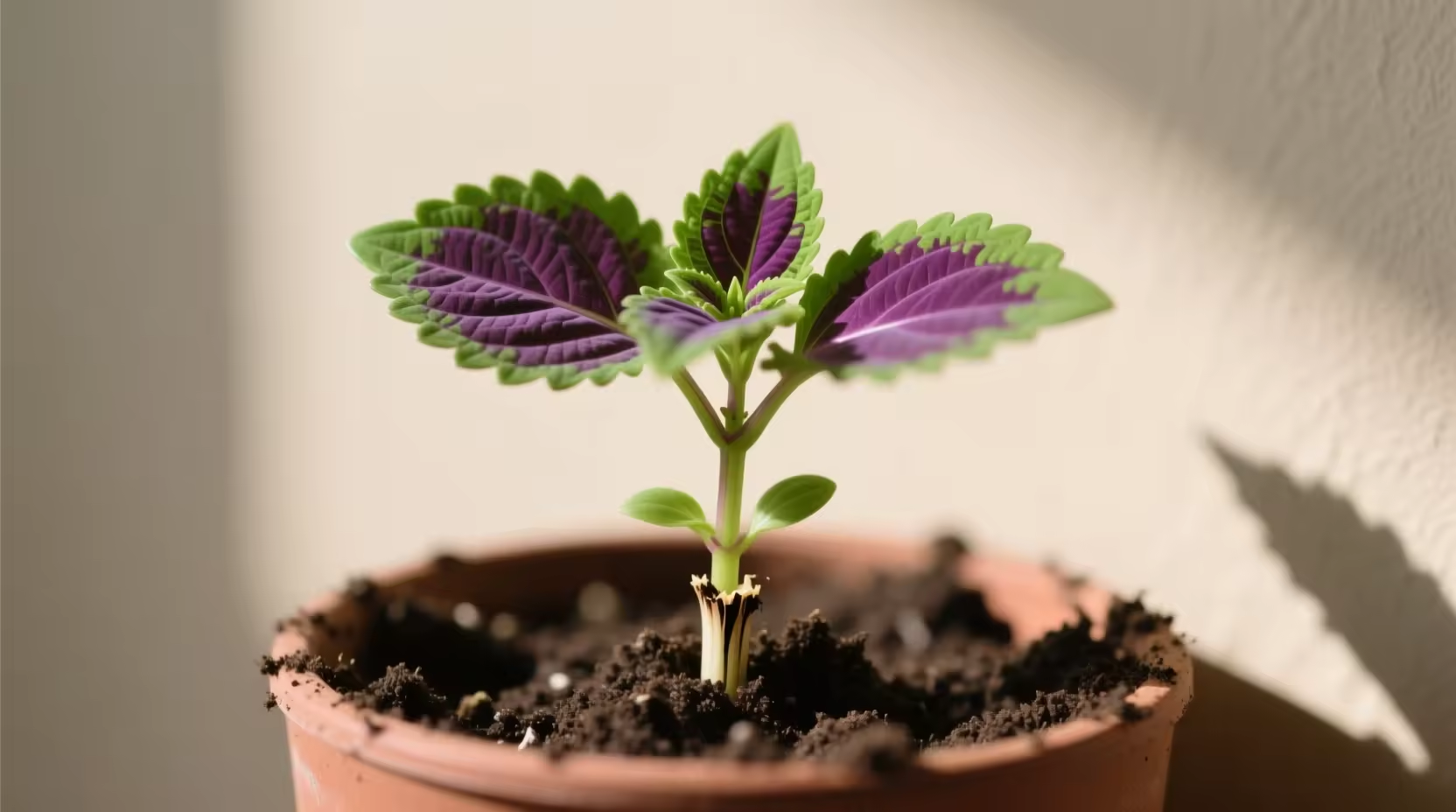

Coleus is one of the most rewarding plants for home gardeners. With its vibrant foliage, fast growth, and adaptability to pots or garden beds, coleus is often chosen for instant color. One of the biggest advantages of coleus is how easily it can be propagated. While many people start cuttings in water, experienced gardeners often find that propagating coleus in soil produces stronger, healthier plants in the long run.
If you want fuller plants, faster establishment, and less transplant shock, the soil method is the better choice. This guide explains why soil propagation beats water propagation and shows you exactly how to do it successfully at home.
Why Propagate Coleus at Home?
Propagating coleus allows you to multiply your favorite varieties without buying new plants. It’s also a great way to rejuvenate leggy plants and maintain consistent color patterns in your garden.
Benefits of propagating coleus:
- Free plants from existing ones
- Faster growth than growing from seed
- Identical color and leaf patterns
- Easy for beginners
- Great for pots, borders, and indoor plants
Coleus responds exceptionally well to propagation, especially when done correctly.
Soil vs Water Propagation: The Reality Check
Water propagation is popular because it’s visually satisfying—you can see roots forming. However, soil propagation often produces stronger root systems that adapt better to long-term growth.
Why water propagation falls short:
- Roots formed in water are delicate
- Plants experience shock when transferred to soil
- Slower establishment after transplanting
- Higher risk of rot if water isn’t changed
Why soil propagation is better:
- Roots develop directly in their permanent medium
- Less stress on the plant
- Stronger, thicker roots
- Faster growth after rooting
For home gardeners who want reliable results, soil propagation is the superior method.
Best Time to Propagate Coleus
Coleus propagates best during its active growth phase.
Ideal seasons:
- Spring and early summer
- Warm temperatures (18–30°C / 65–85°F)
Avoid propagating during cold months unless growing indoors with stable warmth and light.
What You’ll Need
Gather these simple supplies before you begin:
- A healthy coleus plant
- Sharp, clean scissors or pruning shears
- Small pots or containers with drainage holes
- Light, well-draining potting mix
- Water spray bottle
- Optional: rooting hormone (not required)
Always sterilize your cutting tools to prevent disease.
Choosing the Right Coleus Cutting
Success starts with selecting the right cutting.
Look for:
- Healthy, colorful leaves
- No pests or disease
- Soft, non-woody stems
Ideal cutting length:
- 4–6 inches long
- At least 2–3 leaf nodes
Avoid very thick, woody stems, as they root more slowly.
Step-by-Step: Propagating Coleus in Soil
Step 1: Take the Cutting
Cut just below a leaf node using clean scissors. Nodes are essential because roots emerge from them.
Make a clean, angled cut to increase surface area for rooting.
Step 2: Remove Lower Leaves
Remove leaves from the bottom half of the cutting. Leaving leaves buried in soil can cause rot.
Keep:
- 2–4 healthy leaves at the top
This allows photosynthesis without stressing the cutting.
Step 3: Prepare the Soil
Use a light, well-draining potting mix. A mix of:
- Regular potting soil
- Perlite or sand
works well. Lightly moisten the soil before planting.
Avoid compacted or heavy soil, which slows root development.
Step 4: Plant the Cutting
Make a small hole in the soil and gently insert the cutting so that at least one node is buried.
Firm the soil lightly around the stem to provide support.
Rooting hormone is optional—coleus roots easily without it.
Step 5: Water Gently
Water lightly to settle the soil. The goal is moist—not soggy—soil.
Using a spray bottle helps prevent overwatering and stem damage.
Creating the Right Environment for Rooting
Light
Place the pot in bright, indirect light. Direct sunlight can stress unrooted cuttings.
Temperature
Maintain warmth between 20–28°C (68–82°F). Coleus loves warmth during rooting.
Humidity
Moderate humidity speeds up rooting. You can loosely cover the pot with a plastic bag (with air holes) to create a mini greenhouse, but it’s not mandatory.
How Long Does Soil Propagation Take?
Roots typically develop within 10–21 days.
Signs of successful rooting:
- New leaf growth
- Cutting stays upright and firm
- Gentle tug meets resistance
Once rooted, the plant begins growing rapidly.
Why Soil-Propagated Coleus Grows Better
Coleus propagated directly in soil adapts immediately to its growing environment.
Key advantages:
- No transplant shock
- Stronger root structure
- Faster leaf and stem growth
- Better drought tolerance
Water-propagated roots are adapted to liquid environments and must relearn how to function in soil, slowing growth.
Transplanting and Aftercare
If you rooted your coleus in a small pot, you can transplant once roots are established.
Transplanting tips:
- Choose a pot one size larger
- Handle roots gently
- Water well after transplanting
Once established, coleus becomes a fast-growing, low-maintenance plant.
Pinching for Bushier Growth
Pinching is essential for fuller coleus plants.
How to pinch:
- Remove the top growing tip once the plant has 4–6 leaf sets
- This encourages side branching
Regular pinching results in compact, bushy plants instead of tall, leggy ones.
Common Mistakes to Avoid
Overwatering
Soil should be moist, not wet. Excess water causes stem rot.
Too much sunlight
Direct sun stresses unrooted cuttings and slows rooting.
Using poor soil
Heavy or compacted soil suffocates roots.
Skipping nodes
Cuttings without nodes will not root.
Indoor vs Outdoor Soil Propagation
Indoor propagation:
- Easier temperature control
- Protection from pests
- Ideal year-round
Outdoor propagation:
- Faster growth in warm climates
- Natural humidity
- Best during spring and summer
Both work well as long as warmth and light are sufficient.
Pests and Diseases During Propagation
Coleus cuttings are generally pest-free, but watch for:
- Aphids
- Whiteflies
- Fungus gnats (overwatering-related)
Proper airflow and controlled watering prevent most issues.
When to Start Treating as a Mature Plant
Once the cutting shows strong new growth (after about 3–4 weeks), treat it like a mature coleus plant:
- Gradually increase sunlight
- Begin light fertilizing
- Continue regular pinching
At this stage, growth becomes rapid and vigorous.
Final Thoughts
While water propagation may look appealing, soil propagation consistently produces stronger, healthier coleus plants. By rooting directly in soil, you eliminate transplant shock and give the plant the best possible start.
For home gardeners who want reliable success, fuller growth, and long-lasting plants, the soil method is the clear winner. With just a few simple steps and minimal effort, you can turn one coleus plant into many—each thriving, vibrant, and ready to brighten your garden or home.