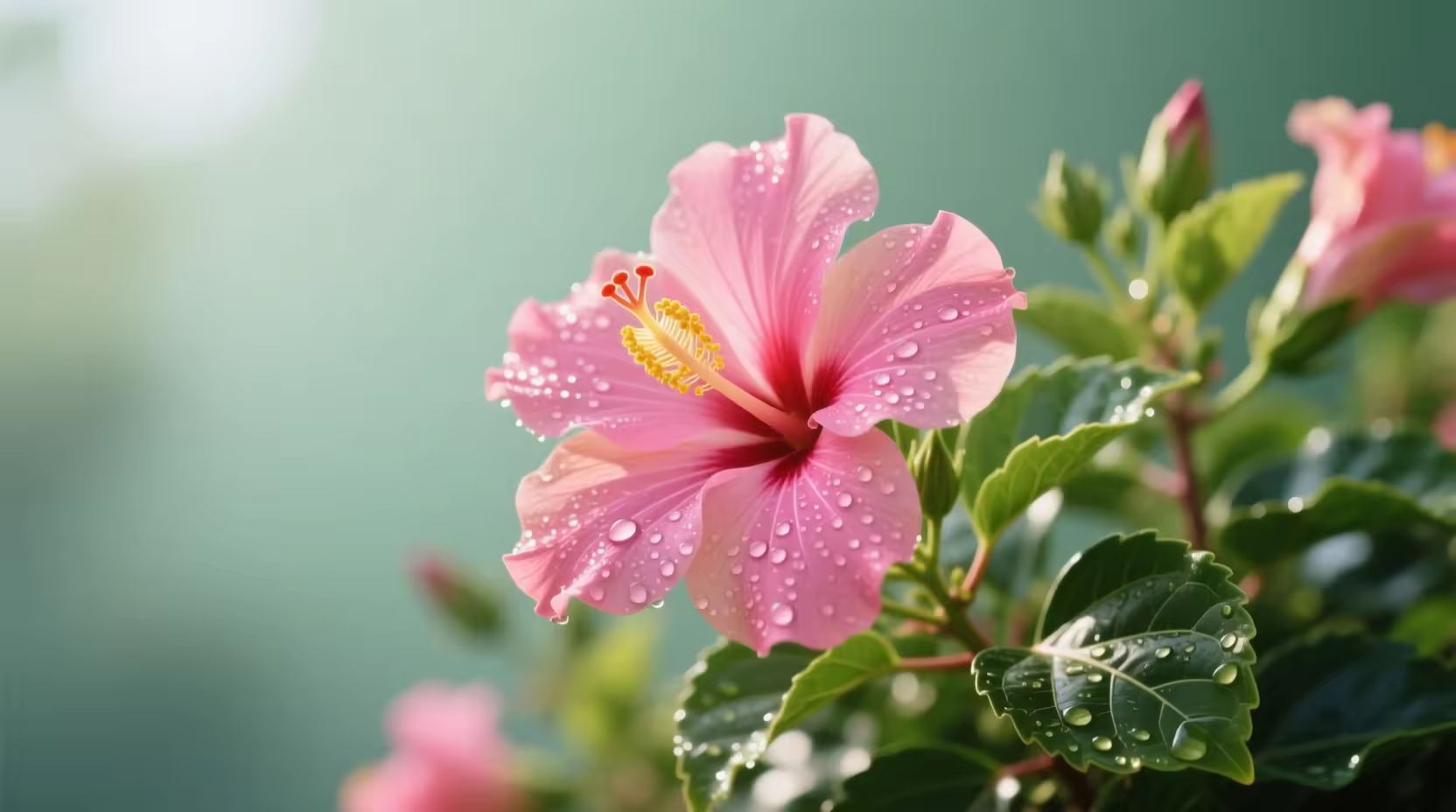

Flowering plants bring color, fragrance, and life to our homes and gardens. From balcony pots and indoor planters to backyard flower beds, blooming plants are often chosen for their visual impact. However, many gardeners—especially beginners—are disappointed when their plants fail to bloom as expected or produce weak, short-lived flowers.
The truth is that vibrant blooms require more than watering and sunlight. There are several reality checks every plant lover must understand to achieve consistent, healthy flowering. This guide breaks down common myths, practical truths, and essential care principles to help your flowering plants truly thrive.
Reality Check 1: Not All Plants Bloom Continuously
One of the biggest misconceptions is expecting flowers all year round. Most flowering plants follow natural growth and rest cycles.
What this means:
- Some plants bloom only once or twice a year
- Others flower seasonally and rest afterward
- Many plants need a dormant phase to bloom again
For example, roses, orchids, hibiscus, and bougainvillea all have specific bloom cycles. Lack of flowers doesn’t always mean poor care—it may simply mean the plant is resting.
Tip: Learn your plant’s natural blooming season and growth pattern before assuming something is wrong.
Reality Check 2: More Water Does Not Mean More Flowers
Overwatering is one of the most common reasons flowering plants fail. While water is essential, excess moisture often causes root rot, nutrient loss, and stress—leading to fewer or no blooms.
Signs of overwatering:
- Yellowing leaves
- Wilting despite wet soil
- Mushy or foul-smelling roots
Most flowering plants prefer well-draining soil and consistent but moderate watering.
Tip: Always check soil moisture before watering. Let the top layer dry slightly unless the plant specifically prefers constant moisture.
Reality Check 3: Sunlight Quality Matters More Than Quantity
“Put it in sunlight” is common advice—but not all sunlight is equal.
Key sunlight truths:
- Some flowering plants need full sun (6–8 hours direct light)
- Others prefer bright indirect light
- Too much harsh sun can burn leaves and flowers
Plants like petunias, marigolds, and geraniums thrive in full sun, while orchids, peace lilies, and begonias prefer filtered or indirect light.
Tip: Observe how sunlight moves across your space and match plants to the right light conditions.
Reality Check 4: Fertilizer Is Not a Magic Solution
Many gardeners believe that frequent fertilizing guarantees more blooms. In reality, incorrect fertilization can do more harm than good.
Common fertilizer mistakes:
- Over-fertilizing, leading to leaf growth instead of flowers
- Using the wrong nutrient ratio
- Fertilizing stressed or unhealthy plants
Flowering plants need a balance of nutrients, especially phosphorus (P) for blooms, but too much nitrogen (N) promotes leaves over flowers.
Tip: Use a balanced or bloom-specific fertilizer and follow the recommended schedule carefully.
Reality Check 5: Pruning Is Necessary for Better Blooms
Pruning often feels intimidating, but it plays a crucial role in flowering.
Why pruning matters:
- Encourages new growth
- Removes dead or diseased branches
- Redirects energy toward flower production
Plants like roses, bougainvillea, and hibiscus respond particularly well to proper pruning.
Tip: Learn when and how to prune each plant. Incorrect timing can reduce blooms, while proper pruning can dramatically increase them.
Reality Check 6: Soil Quality Directly Affects Flowering
Healthy blooms start below the surface. Poor soil can prevent flowering even if everything else seems right.
Signs of poor soil:
- Compact, hard texture
- Poor drainage
- Lack of organic matter
Flowering plants need soil that provides:
- Good drainage
- Proper aeration
- Sufficient nutrients
Tip: Improve soil with compost, organic matter, or high-quality potting mix designed for flowering plants.
Reality Check 7: Stress Delays Flowering
Plants under stress focus on survival, not reproduction. Flowering is a luxury response for plants in good health.
Common stress factors:
- Sudden temperature changes
- Transplant shock
- Pest infestations
- Overcrowded roots
If a plant is stressed, blooming is often delayed or skipped entirely.
Tip: Give plants time to adjust after repotting or moving. Stable conditions lead to better flowering.
Reality Check 8: Pests and Diseases Reduce Blooms
Even mild pest infestations can drastically affect flowering.
Common bloom-affecting pests:
- Aphids
- Spider mites
- Thrips
- Whiteflies
These pests suck nutrients from plants, weakening them and reducing flower production.
Tip: Inspect plants regularly and treat pests early using neem oil, insecticidal soap, or natural remedies.
Reality Check 9: Pot Size and Root Space Matter
Root-bound plants often struggle to bloom.
Problems with incorrect pot size:
- Too small: Roots become crowded and stressed
- Too large: Excess soil retains water, risking rot
A well-sized pot allows roots to expand gradually and supports healthy growth.
Tip: Repot flowering plants when roots start circling the pot or emerging from drainage holes.
Reality Check 10: Deadheading Encourages More Flowers
Deadheading—removing spent blooms—is one of the simplest ways to promote continuous flowering.
Why deadheading works:
- Prevents energy waste on seed production
- Stimulates new flower buds
- Keeps plants looking neat
Plants like petunias, geraniums, zinnias, and roses benefit greatly from regular deadheading.
Tip: Use clean scissors or pinch off faded flowers weekly during blooming seasons.
Reality Check 11: Indoor Flowering Plants Need Extra Attention
Indoor flowering plants face unique challenges due to limited light, airflow, and pollination.
Indoor care essentials:
- Bright indirect light near windows
- Occasional rotation for even growth
- Proper humidity levels
Indoor plants often bloom less frequently than outdoor ones—but with proper care, they can still thrive.
Tip: Supplement light with grow lights if natural light is insufficient.
Reality Check 12: Patience Is Part of Plant Care
Perhaps the most important reality check of all—flowering takes time.
Many plants need:
- Maturity before blooming
- Seasonal cues
- Consistent care over months
Instant results are rare in gardening. Healthy plants reward patience with long-lasting blooms.
Tip: Focus on plant health first. Flowers naturally follow.
Final Thoughts
Achieving vibrant blooms is not about shortcuts or constant intervention—it’s about understanding plant needs and respecting natural growth cycles. Flowering plant care requires balance: the right amount of water, light, nutrients, pruning, and patience.
By accepting these reality checks and adjusting expectations, gardeners can move from frustration to fulfillment. When flowering plants are cared for correctly, they don’t just bloom—they flourish.
With consistent care and informed decisions, your plants will reward you with healthier growth, richer colors, and blooms that truly last.