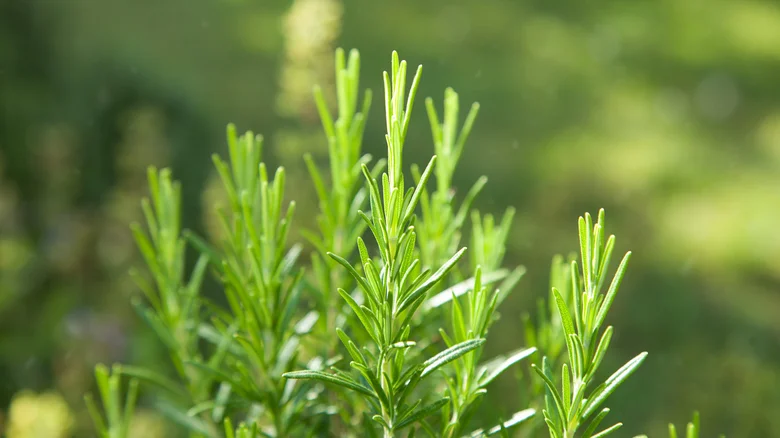

If you already grow rosemary, you’re off to a great start when it comes to attracting pollinators. Rosemary’s tiny blue flowers are rich in nectar and bloom early, making them especially valuable to bees and beneficial insects. But rosemary becomes even more powerful when paired with the right companion herbs.
By planting certain herbs next to rosemary, you can turn a simple herb bed into a pollinator magnet, supporting bees, butterflies, hoverflies, and other beneficial insects while also improving your garden’s health and productivity.
This guide explains which herbs work best next to rosemary, why pollinators love them, and how to plant them together for maximum benefit.
Why Rosemary Is a Pollinator Favorite
Rosemary is more than a culinary staple—it’s a long-blooming, nectar-rich plant that plays an important role in pollinator support.
What makes rosemary special:
- Flowers early when food sources are scarce
- Blooms over a long period
- Thrives in poor soil, perfect for herb gardens
- Attracts bees, butterflies, and hoverflies
However, rosemary flowers are relatively small. When combined with other flowering herbs, the variety of shapes, colors, and bloom times creates a continuous buffet for pollinators.
Why Companion Herbs Matter for Pollinators
Pollinators don’t rely on one plant alone. Different insects prefer different flower shapes, colors, and nectar depths.
Planting multiple herbs together:
- Extends the blooming season
- Attracts a wider range of pollinators
- Improves pollination of nearby vegetables and fruits
- Reduces pest problems naturally
Rosemary thrives in sunny, well-drained conditions—so the best companion herbs are those with similar needs.
1. Thyme
Thyme is one of the best companions you can plant next to rosemary.
Why pollinators love it:
- Tiny flowers packed with nectar
- Blooms heavily in late spring and summer
- Attracts bees and hoverflies
Why it works with rosemary:
- Loves full sun
- Thrives in dry, well-drained soil
- Low-growing, perfect as ground cover
Plant thyme at the base of rosemary to create a layered herb bed that pollinators adore.
2. Oregano
Oregano may be subtle in the kitchen, but it’s a powerhouse for pollinators.
Pollinator benefits:
- Produces clusters of small purple flowers
- Highly attractive to bees and butterflies
- Blooms for weeks if allowed to flower
Companion advantages:
- Similar water and soil needs as rosemary
- Fills empty spaces quickly
- Improves overall garden biodiversity
Letting oregano flower is one of the easiest ways to increase pollinator activity in your garden.
3. Sage
Sage and rosemary are natural companions—both in the kitchen and the garden.
Why pollinators love sage:
- Large, tubular flowers
- Ideal for bees and hummingbirds
- Long blooming period
Why it pairs well with rosemary:
- Same Mediterranean growing conditions
- Similar height and structure
- Drought-tolerant once established
Together, sage and rosemary create a visually striking and pollinator-friendly herb display.
4. Lavender
Lavender is one of the most famous pollinator plants—and for good reason.
Pollinator appeal:
- Strong fragrance attracts bees from afar
- Rich nectar source
- Continuous blooming in warm climates
Growing benefits:
- Thrives in full sun
- Requires excellent drainage
- Complements rosemary’s woody structure
Plant lavender near rosemary to create a pollinator corridor that stays active throughout the growing season.
5. Basil (When Allowed to Flower)
Many gardeners pinch basil flowers off, but letting some basil bloom is a gift to pollinators.
Why pollinators love flowering basil:
- Small, nectar-rich blooms
- Attracts bees, butterflies, and beneficial wasps
Why basil works near rosemary:
- Grows well in sunny locations
- Adds seasonal diversity to herb beds
- Can be replanted annually
Allow a few basil plants to flower late in the season to support pollinators when other herbs slow down.
6. Chives
Chives are often overlooked, but their flowers are pollinator gold.
Pollinator benefits:
- Purple globe-shaped flowers
- Extremely attractive to bees
- Blooms in spring and early summer
Companion advantages:
- Compact size
- Easy to grow
- Helps deter pests
Chives add early-season color and nectar, perfectly complementing rosemary’s bloom cycle.
7. Marjoram
Marjoram is closely related to oregano but offers a slightly different flowering pattern.
Why pollinators love it:
- Delicate white or pink flowers
- Long flowering period
- Excellent nectar source
Growing compatibility:
- Same sun and soil needs
- Softens the look of woody rosemary
- Easy to manage
Marjoram fills gaps and keeps pollinators coming back.
How to Arrange Herbs Around Rosemary
Placement matters when creating a pollinator-friendly herb garden.
Best layout tips:
- Place rosemary as a central or background plant
- Surround it with lower-growing herbs like thyme and chives
- Space plants to allow airflow
- Avoid overcrowding
This layered approach makes it easier for pollinators to move from flower to flower.
Soil and Water Considerations
Most pollinator-friendly herbs thrive in similar conditions.
Ideal conditions:
- Well-drained soil
- Full sun (6–8 hours daily)
- Moderate watering
Avoid rich, heavily fertilized soil—it encourages leaf growth at the expense of flowers.
Let Herbs Flower (This Is Key)
If your goal is pollinators, don’t harvest all the flowers.
Tips:
- Harvest herbs early, then allow flowering
- Stagger harvesting so some plants bloom
- Deadhead selectively, not completely
Flowering herbs provide nectar, pollen, and habitat.
Avoid Pesticides and Chemicals
Even pollinator-friendly plants become harmful if treated with chemicals.
Best practices:
- Avoid synthetic pesticides
- Use neem oil only if absolutely necessary
- Encourage beneficial insects naturally
Healthy herb gardens naturally balance pests and pollinators.
Benefits Beyond Pollinators
Planting these herbs next to rosemary offers more than insect activity.
Extra benefits:
- Improved vegetable yields nearby
- Better flavor in herbs
- Reduced pest populations
- Beautiful, fragrant garden spaces
Pollinators are a sign of a thriving ecosystem—and your garden benefits as a whole.
Common Mistakes to Avoid
❌ Overwatering Mediterranean herbs
❌ Cutting all flowers immediately
❌ Planting herbs in heavy, soggy soil
❌ Using chemical sprays
Letting nature do the work is often the best strategy.
Final Thoughts
Rosemary is already a pollinator-friendly plant, but pairing it with the right herbs transforms your garden into a buzzing, living ecosystem. By planting thyme, oregano, sage, lavender, chives, basil, and marjoram nearby, you provide pollinators with a steady supply of nectar throughout the season.
The result is a healthier garden, stronger plants, better harvests, and the simple joy of watching bees and butterflies thrive. Sometimes, the most powerful garden changes come from planting just one more herb in the right place.