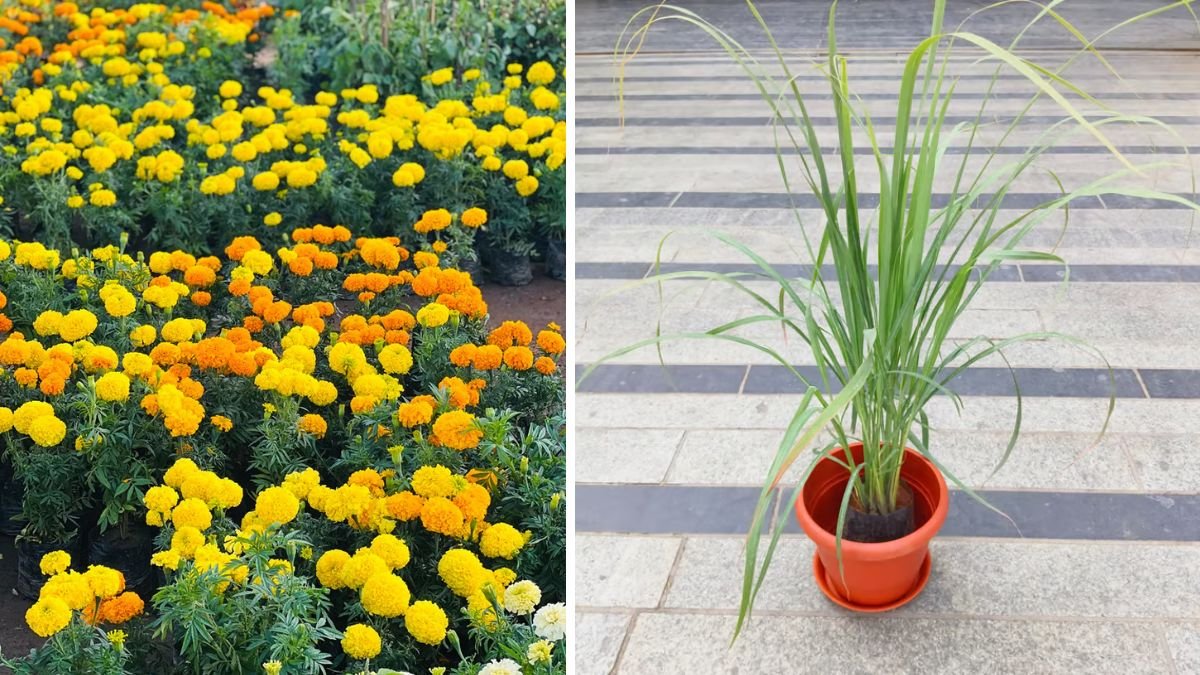

Snakes in the garden are a common concern for homeowners, especially in warm and rural regions. While most snakes are non-venomous and help control pests, their sudden appearance can be frightening and sometimes dangerous. Many people look for natural, eco-friendly ways to deter snakes without harming them or disrupting the environment. One effective and traditional approach is using specific plants known for their strong scents or textures that snakes dislike.
Although no plant can guarantee 100% snake prevention, certain plants can significantly reduce the chances of snakes entering or staying in your garden. When combined with proper garden maintenance, these plants can act as a natural deterrent. Below are the five best plants to help keep snakes away from your garden, along with tips on how to use them effectively.
1. Snake Plant (Sansevieria)
The snake plant, also known as mother-in-law’s tongue, is one of the most popular plants believed to repel snakes. Ironically named, this plant is widely associated with snake deterrence due to its sharp, upright leaves and tough texture.
Why it works
Snakes prefer soft, cool, and hidden areas. The rigid, pointed leaves of the snake plant create an uncomfortable environment, making it difficult for snakes to slither through. The dense growth pattern also reduces hiding spots, which snakes actively seek.
How to use it
Plant snake plants along garden borders, fences, entry points, and near doors or windows. They thrive in both indoor and outdoor settings and require minimal care. Snake plants grow well in dry conditions and can tolerate poor soil, making them ideal for long-term use.
Additional benefits
Besides snake control, snake plants improve air quality and add a modern aesthetic to your garden.
2. Marigold (Tagetes)
Marigolds are colorful flowering plants commonly used in gardens, but they also serve as a natural pest repellent. Their strong odor is known to repel insects, rodents, and potentially snakes.
Why it works
Marigolds emit a pungent smell that snakes find irritating. Since snakes rely heavily on their sense of smell and vibration, the strong scent discourages them from staying in areas where marigolds grow.
How to use it
Plant marigolds along pathways, borders, vegetable gardens, and near water sources. They grow quickly and bloom brightly, making them both functional and decorative.
Additional benefits
Marigolds also repel mosquitoes, aphids, and nematodes, making them a great multi-purpose plant for gardeners.
3. Lemongrass (Cymbopogon)
Lemongrass is widely known for its citrus fragrance and is commonly used in cooking and herbal remedies. It is also one of the most effective plants for repelling snakes naturally.
Why it works
Lemongrass contains citronella, a compound that produces a strong lemon scent. This smell overwhelms snakes’ sensory organs and makes the environment uncomfortable for them.
How to use it
Plant lemongrass in thick clusters around your garden perimeter, near compost areas, or around water features where snakes may be attracted. It grows best in sunny areas with well-drained soil.
Additional benefits
Lemongrass repels mosquitoes, improves garden fragrance, and can be harvested for tea or cooking.
4. Garlic (Allium sativum)
Garlic is not only a kitchen staple but also a powerful natural repellent. Its strong sulfur compounds make it effective against a variety of pests, including snakes.
Why it works
Garlic releases a strong smell into the soil and air, which snakes find unpleasant. The odor can interfere with their sensory perception and discourage them from entering the area.
How to use it
Plant garlic cloves around garden edges, near sheds, and in problem areas where snakes have been spotted. You can also create a garlic spray by crushing garlic cloves and mixing them with water, then spraying it around entry points.
Additional benefits
Garlic repels rodents and insects and is easy to grow with minimal maintenance.
5. Neem Plant (Azadirachta indica)
The neem plant is widely known for its medicinal and pest-repellent properties. It has been used for centuries in traditional practices to deter insects, rodents, and reptiles.
Why it works
Neem leaves and oil produce a strong, bitter smell that snakes tend to avoid. Neem also disrupts the ecosystem that attracts snake prey, such as insects and rodents.
How to use it
If space allows, plant neem trees around your property boundary. For smaller gardens, neem oil can be sprayed around soil and entry points to enhance its repellent effect.
Additional benefits
Neem is eco-friendly, improves soil health, and provides natural pest control for your entire garden.
Tips to Maximize Effectiveness
While these plants can help reduce snake activity, they work best when combined with good garden practices:
- Keep grass trimmed short
- Remove piles of wood, rocks, and debris
- Control rodents and insects
- Seal gaps near walls and fences
- Avoid overwatering, which attracts frogs and snakes
Plants alone are not a magic solution, but they significantly lower the chances of snakes finding your garden appealing.
Final Thoughts
Using plants to prevent snakes from entering your garden is a natural, safe, and environmentally friendly solution. Snake plants, marigolds, lemongrass, garlic, and neem not only help deter snakes but also enhance the beauty and health of your garden. By strategically planting these species and maintaining a clean outdoor space, you can create a garden that is both welcoming to humans and uninviting to snakes.
If you live in a snake-prone area, incorporating these plants into your landscape design can provide peace of mind while maintaining harmony with nature.