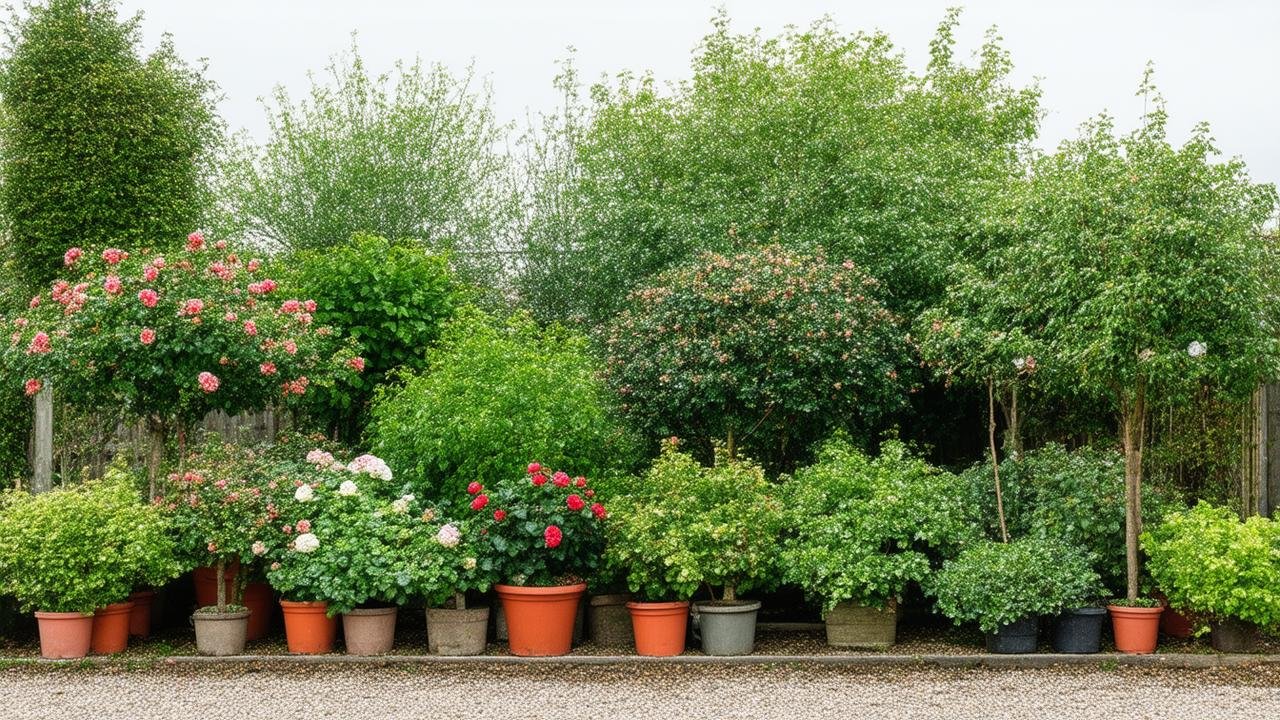

Late winter may seem like a quiet time in the garden, but January and February are actually critical months for pruning many plants. Pruning during this window helps shape growth, remove damage, improve flowering, and prepare plants for the vigorous growth of spring.
Pruning too early can expose plants to frost damage, while pruning too late may remove flower buds or weaken growth. That’s why this short winter window is so important. Below are 10 essential garden plants that benefit most from pruning in January or February, along with clear guidance on how and why to do it.
Why January–February Pruning Matters
During late winter, many plants are:
- Dormant or semi-dormant
- Low in sap flow
- Less stressed by cutting
Pruning now allows plants to heal quickly once spring growth begins. It also:
- Encourages stronger branching
- Improves air circulation
- Reduces disease and pests
- Leads to better flowers or fruit
Let’s look at the plants that truly depend on this timing.
1. Roses
Roses are one of the most important plants to prune in late winter.
Why prune now:
- Roses are dormant
- New growth hasn’t started yet
- Helps shape plant before spring bloom
How to prune:
- Remove dead, diseased, and crossing branches
- Cut back weak stems
- Shape the plant to an open center
Pruning roses in January or February leads to bigger blooms and healthier plants throughout the growing season.
2. Grape Vines
Grapes absolutely require winter pruning for productivity.
Why prune now:
- Controls vine size
- Encourages fruiting wood
- Prevents tangled growth
How to prune:
- Remove up to 80–90% of last year’s growth
- Keep strong, healthy canes
- Focus on structure rather than length
Skipping winter pruning leads to leafy vines with little fruit.
3. Apple and Pear Trees
Pome fruit trees respond best to late winter pruning.
Why prune now:
- Trees are dormant
- Branch structure is easy to see
- Promotes balanced growth
How to prune:
- Remove inward-growing branches
- Eliminate dead or damaged limbs
- Open the center for light and airflow
Proper pruning improves fruit size, quality, and disease resistance.
4. Hydrangeas (Certain Types)
Not all hydrangeas should be pruned in winter, but smooth and panicle hydrangeas benefit greatly.
Safe to prune in winter:
- Hydrangea arborescens (Annabelle)
- Hydrangea paniculata
How to prune:
- Cut back to strong buds
- Remove old flower heads
- Shape evenly
These hydrangeas bloom on new wood, making winter pruning ideal.
5. Wisteria
Wisteria can quickly become unmanageable without winter pruning.
Why prune now:
- Controls excessive growth
- Encourages flowering instead of leaves
How to prune:
- Cut long shoots back to 2–3 buds
- Remove unwanted growth
Winter pruning sets the stage for abundant spring blooms.
6. Fig Trees
Fig trees benefit from shaping during dormancy.
Why prune now:
- Improves structure
- Prevents overcrowding
- Encourages productive branches
How to prune:
- Remove dead or weak branches
- Reduce excessive height
- Maintain an open shape
Light pruning in January or February keeps fig trees manageable and productive.
7. Blueberries
Blueberry bushes need annual pruning to stay productive.
Why prune now:
- Old wood produces fewer berries
- Encourages new fruiting canes
How to prune:
- Remove oldest branches at the base
- Thin crowded growth
- Keep 6–8 healthy canes
Winter pruning improves berry size and harvest consistency.
8. Lavender
Lavender should be pruned carefully in late winter in mild climates.
Why prune now:
- Prevents woody growth
- Encourages compact shape
How to prune:
- Remove dead flower stems
- Trim lightly, avoiding woody base
Do not cut into old wood—gentle shaping is key.
9. Clematis (Group 3 Varieties)
Some clematis varieties require hard winter pruning.
Group 3 clematis includes:
- Late-flowering varieties
- Summer bloomers
How to prune:
- Cut back to 12–18 inches above ground
- Remove all dead stems
This encourages strong new vines and abundant flowers.
10. Deciduous Shrubs (Spirea, Buddleia, Potentilla)
Many flowering shrubs benefit from winter pruning.
Why prune now:
- These shrubs bloom on new growth
- Pruning boosts flowering
How to prune:
- Cut back by one-third to one-half
- Remove weak or damaged stems
Winter pruning keeps shrubs compact and flower-rich.
Plants You Should NOT Prune in January or February
Some plants set their flower buds earlier and pruning now would remove blooms.
Avoid pruning:
- Lilac
- Forsythia
- Azalea
- Rhododendron
- Early-blooming spring shrubs
These should be pruned after flowering instead.
Tools to Use for Winter Pruning
Having the right tools ensures clean cuts and healthy plants.
Essential tools:
- Sharp bypass pruners
- Loppers for thick branches
- Pruning saw for trees
- Gloves for protection
Always clean tools between plants to prevent disease spread.
Winter Pruning Tips for Success
Prune on dry days
Avoid extreme cold or frost
Make clean, angled cuts
Remove debris from the garden
Step back often to assess shape
Pruning is about guiding growth, not just cutting.
Common Winter Pruning Mistakes
Over-pruning
Cutting flowering wood unknowingly
Using dull tools
Ignoring plant type requirements
When in doubt, prune lightly—plants can always be trimmed more later.
Final Thoughts
January and February may feel like the quietest months in the garden, but they’re also the most powerful when it comes to shaping your plants’ future. Pruning during this crucial window sets the foundation for healthy growth, abundant blooms, and productive harvests.
By focusing on the right plants at the right time, you’ll reward your garden with stronger structure and better performance throughout the year. A little winter effort goes a long way—and your spring garden will thank you.