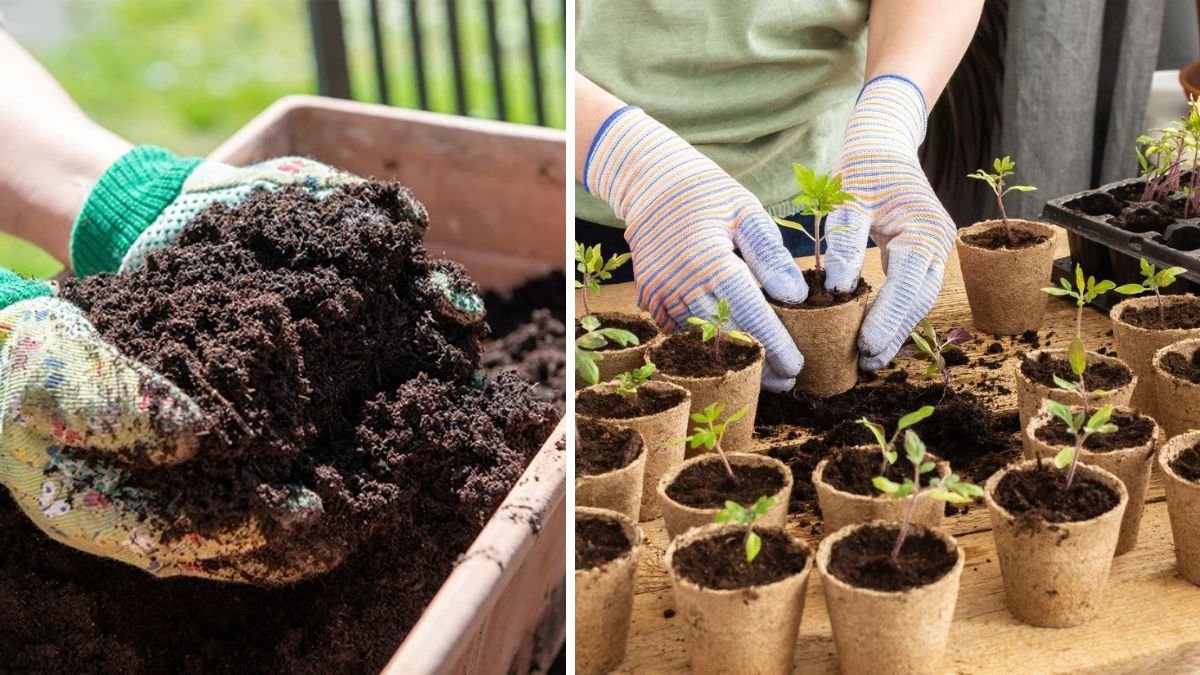

Healthy soil is the foundation of every successful garden. No matter how good your seeds or plants are, poor soil preparation and incorrect fertilizing can limit growth, reduce yields, and invite pests and disease. On the other hand, well-prepared soil combined with the right nutrients can dramatically improve plant health and harvest quality.
This complete guide explains how to prepare soil properly and add fertilizer correctly, whether you are growing vegetables, fruits, herbs, or ornamental plants.
Why Soil Preparation Matters
Soil does far more than hold plants upright. It:
- Supplies essential nutrients
- Stores and releases water
- Supports beneficial microorganisms
- Allows roots to breathe and expand
Poor soil leads to weak roots, nutrient deficiencies, and stressed plants. Proper preparation sets your garden up for long-term success.
Understanding Soil Types
Before improving your soil, it’s important to know what you’re working with.
Common Soil Types
- Sandy soil: Drains quickly, low nutrient retention
- Clay soil: Heavy, compacted, holds water
- Loamy soil: Ideal balance of drainage and nutrients
- Silty soil: Fertile but prone to compaction
Most home gardens benefit from soil improvement, regardless of type.
Testing Your Soil
Soil testing removes guesswork.
What a soil test reveals:
- pH level
- Nutrient deficiencies
- Organic matter content
Most vegetables thrive in slightly acidic to neutral soil (pH 6.0–7.0). Testing helps you choose the right amendments and fertilizer.
Step 1: Clearing and Preparing the Area
Before planting:
- Remove weeds, rocks, and debris
- Break up compacted soil
- Avoid working soil when it’s wet
Loosening soil improves root growth and drainage.
Step 2: Improving Soil Structure
Good soil structure allows water, air, and roots to move freely.
How to Improve Soil
- Add compost or well-rotted manure
- Mix in leaf mold or aged plant matter
- Incorporate organic matter annually
Organic matter improves both sandy and clay soils over time.
The Role of Organic Matter
Organic matter is the heart of fertile soil.
Benefits include:
- Improved moisture retention
- Increased nutrient availability
- Enhanced microbial activity
- Better soil texture
Aim for soil that feels crumbly, not sticky or powdery.
Understanding Fertilizers
Fertilizers supply nutrients plants need to grow.
Primary Nutrients
- Nitrogen (N): Leaf and stem growth
- Phosphorus (P): Root development and flowering
- Potassium (K): Overall plant health and fruit quality
Balanced nutrition is essential—too much of one nutrient can harm plants.
Organic vs. Synthetic Fertilizers
Organic Fertilizers
- Compost
- Bone meal
- Fish emulsion
- Manure
Pros: Slow-release, improves soil health
Cons: Slower results
Synthetic Fertilizers
- Granular or liquid chemical fertilizers
Pros: Fast-acting
Cons: Can damage soil if overused
Many gardeners use a combination of both.
When to Add Fertilizer
Timing matters.
Best times to fertilize:
- Before planting (soil preparation)
- During active growth
- Before flowering or fruiting
Avoid fertilizing stressed or dormant plants.
How to Apply Fertilizer Correctly
Pre-Plant Application
- Mix fertilizer evenly into topsoil
- Avoid placing fertilizer directly on roots
Side Dressing
- Apply fertilizer beside plants during growth
- Water afterward to help absorption
Liquid Feeding
- Dilute according to instructions
- Apply to soil, not leaves
Always follow label recommendations.
Common Fertilizing Mistakes
- Overfertilizing (causes leaf burn and weak roots)
- Applying fertilizer to dry soil
- Using the wrong fertilizer for plant type
- Ignoring soil pH
More fertilizer does not mean better results.
Mulching for Soil Health
Mulch protects and improves soil.
Benefits:
- Retains moisture
- Suppresses weeds
- Regulates soil temperature
- Adds organic matter as it breaks down
Organic mulches like straw or wood chips work best.
Maintaining Soil Health Long-Term
Healthy soil is built over time.
Best practices:
- Rotate crops
- Add compost annually
- Avoid compacting soil
- Minimize chemical use
Healthy soil produces healthier plants and bigger harvests year after year.
Final Thoughts
Perfect soil doesn’t happen by accident. It’s created through thoughtful preparation, organic matter, and correct fertilizer use. When you invest time in your soil, your plants reward you with stronger growth, better resistance to disease, and abundant harvests. Great gardening always begins beneath the surface.