
1. Introduction to Lilikoi and Passion Fruit
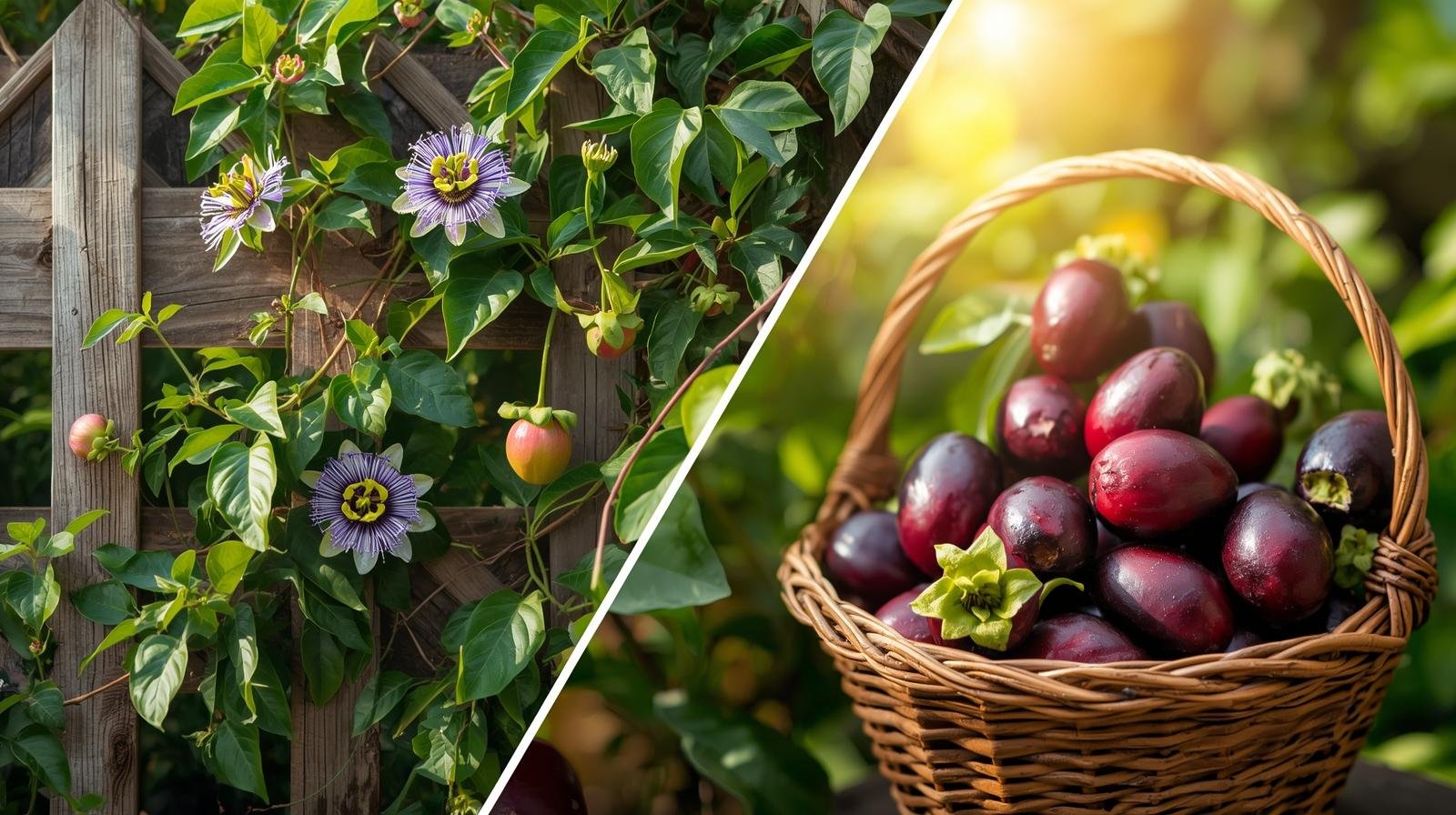
Lilikoi, also known as passion fruit, is one of the most loved tropical fruits due to its intense aroma and sweet-tart flavor. Gardeners around the world enjoy growing it for both fruit and ornamental beauty. The vine produces lush foliage and stunning flowers. Passion fruit thrives in warm climates and grows rapidly with care. Homegrown fruit tastes far better than store-bought. With correct techniques, yields can be abundant. This guide explains every stage clearly. Passion fruit is rewarding for all gardeners.
2. Understanding Passion Fruit Vine Growth
Passion fruit grows as a fast-climbing vine. It uses tendrils to cling to supports. The vine can grow several meters in one season. Healthy growth requires strong trellising. Flowers form on new growth. Fruit develops quickly after pollination. Understanding growth behavior helps proper training. Vines need space and airflow.
3. Choosing the Right Passion Fruit Variety
There are purple and yellow passion fruit varieties. Purple varieties are sweeter. Yellow varieties are more vigorous. Climate affects variety choice. Some types resist disease better. Home gardeners should select based on local weather. Choosing the right variety improves success. Seed availability also matters. Proper selection boosts yield.
4. Ideal Climate Conditions
Passion fruit thrives in warm, frost-free climates. Temperatures between twenty and thirty degrees Celsius are ideal. Cold weather slows growth. Frost can kill vines. Sunlight is essential. Wind protection prevents damage. Humidity supports flowering. Climate awareness ensures success.
5. Soil Requirements for Healthy Vines
Well-draining soil is essential for passion fruit. Waterlogged soil causes root rot. Loamy soil with organic matter works best. Slightly acidic soil improves nutrient uptake. Compost improves fertility naturally. Raised beds improve drainage. Soil preparation is crucial. Healthy soil supports heavy fruiting.
6. Planting Passion Fruit Successfully
Plant passion fruit during warm seasons. Dig a wide planting hole. Mix compost with native soil. Place the plant carefully. Avoid burying the stem too deep. Water thoroughly after planting. Mulch to retain moisture. Proper planting reduces transplant shock.
7. Trellis and Support Systems
Strong support is essential for passion fruit. Trellises, fences, or pergolas work well. Vines become heavy with fruit. Weak supports may collapse. Training vines improves airflow. Proper support increases sunlight exposure. Organized growth prevents disease. Structural planning is important.
8. Watering Schedule and Moisture Control
Passion fruit requires consistent watering. Soil should remain moist but not soggy. Drought stress reduces flowering. Overwatering causes root issues. Mulching helps maintain moisture. Water deeply during dry periods. Morning watering is best. Balanced moisture ensures healthy vines.
9. Fertilizing for Strong Growth
Passion fruit is a heavy feeder. Organic compost works best. Balanced fertilizer supports growth. Excess nitrogen causes leafy growth only. Potassium supports flowering and fruiting. Feed regularly during growing season. Reduce feeding in cooler months. Nutrition directly affects yield.
10. Flowering and Pollination
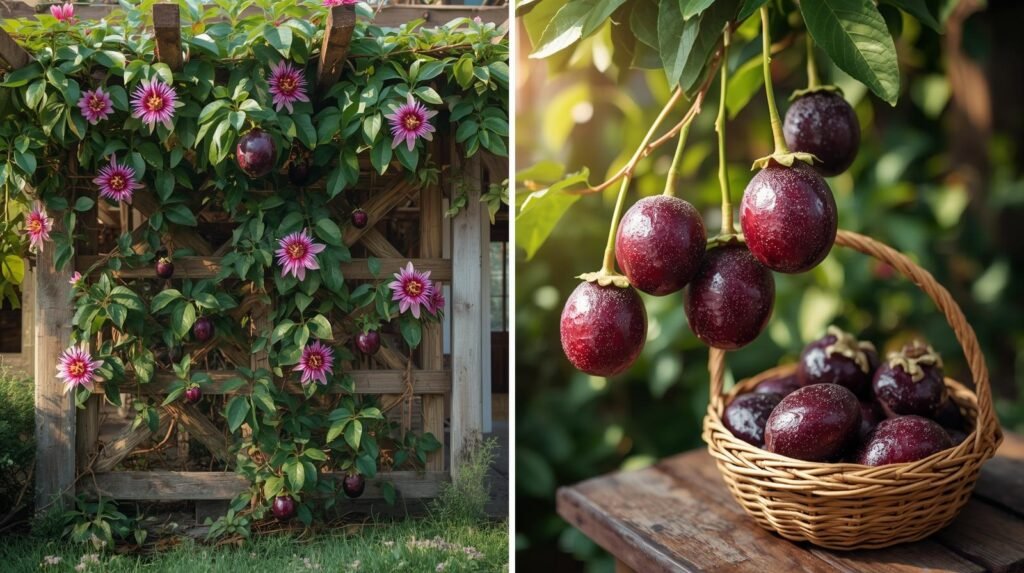
Passion fruit produces stunning flowers. Flowers are self-pollinating but benefit from insects. Bees play a major role. Hand pollination improves yield in some areas. Flowers open for a short time. Successful pollination leads to fruit formation. Flower health affects fruit size. Observation improves results.
11. Fruit Development Stages
After pollination, fruit forms quickly. Young fruit grows rapidly. Adequate water supports development. Stress can cause fruit drop. Fruits mature over several weeks. Skin color changes as ripeness approaches. Proper care ensures sweetness. Patience is essential.
12. Pruning for Productivity
Pruning encourages new growth. Remove dead or tangled vines. Focus on open structure. Avoid heavy pruning during flowering. Regular pruning improves airflow. Healthy vines produce more fruit. Pruning controls vine size. Maintenance supports long-term productivity.
13. Pest Management
Common pests include aphids and caterpillars. Neem oil works effectively. Encourage beneficial insects. Inspect vines regularly. Early detection prevents damage. Avoid harsh chemicals. Healthy plants resist pests. Integrated pest management is best.
14. Disease Prevention
Fungal diseases occur in humid conditions. Good airflow reduces risk. Avoid overhead watering. Remove infected leaves. Healthy soil improves resistance. Clean tools prevent spread. Prevention saves vines. Careful monitoring is important.
15. Mulching Benefits
Mulching retains moisture. It regulates soil temperature. Organic mulch improves soil health. Mulch reduces weeds. Passion fruit benefits greatly from mulching. It prevents root stress. Moist soil supports flowering. Mulching is highly recommended.
16. Harvesting Passion Fruit
Harvest when fruit changes color. Fruits may fall naturally when ripe. Wrinkled skin indicates sweetness. Use clean tools if cutting. Handle gently to avoid damage. Proper harvesting improves flavor. Timing affects taste. Ripe fruit is aromatic.
17. Post-Harvest Handling
Clean fruit gently after harvest. Store at room temperature for short periods. Refrigeration extends shelf life. Avoid stacking fruits. Proper handling prevents bruising. Homegrown fruit stores well. Storage care maintains quality.
18. Expected Yield and Lifespan
Healthy vines produce heavy yields. Fruiting begins within one to two years. Vines remain productive for several years. Yield depends on care. Climate affects lifespan. Regular maintenance improves longevity. Passion fruit rewards consistency. Productivity is impressive.
19. Benefits of Growing Passion Fruit
Homegrown passion fruit is fresh and chemical-free. Vines provide shade and beauty. Flowers attract pollinators. Fruit supports healthy diets. Gardening improves mental health. Passion fruit is versatile in cooking. Growing saves money. Benefits are many.
20. Conclusion
Passion fruit is a favorite crop for many gardeners. With proper planting, care, and harvesting, yields can be abundant. Understanding vine behavior improves success. Consistent watering and nutrition are key. Trellising supports healthy growth. Passion fruit is both beautiful and productive. Home gardening becomes rewarding. Lilikoi lovers will enjoy every harvest.
📊 Table: Passion Fruit Growing Overview
| Growing Stage | Key Requirement | Result |
|---|---|---|
| Planting | Warm soil | Strong start |
| Vine growth | Trellis support | Healthy structure |
| Flowering | Pollination | Fruit formation |
| Harvesting | Full ripeness | Best flavor |