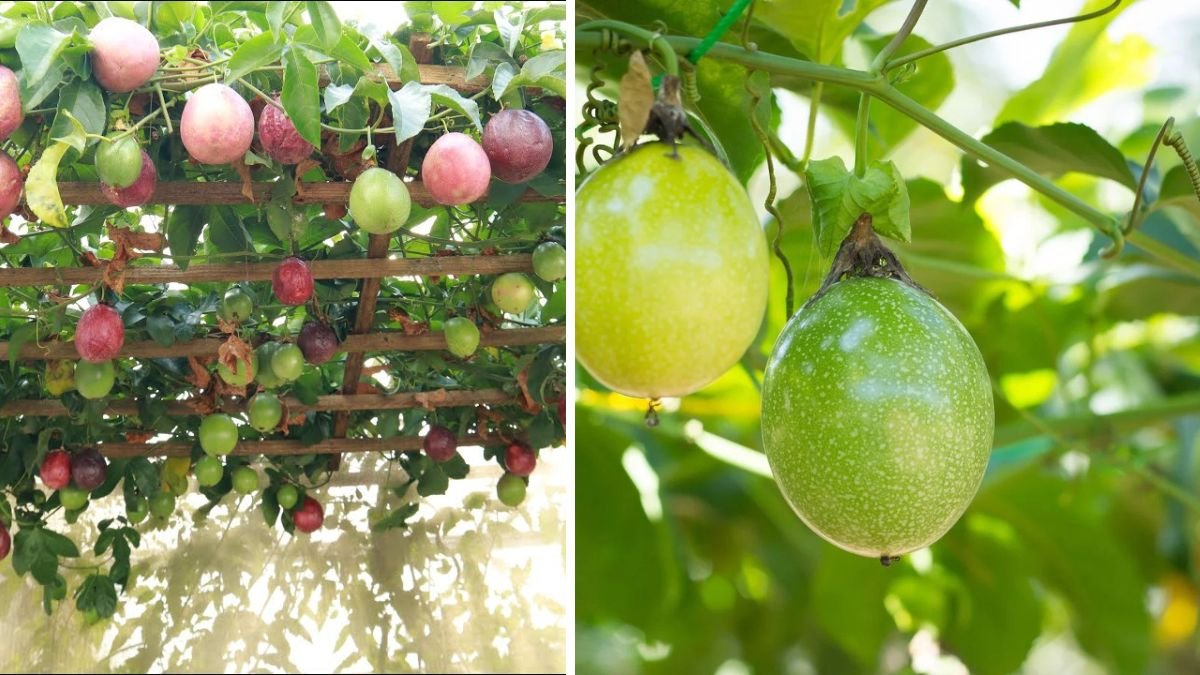

Passion fruit is a tropical delight known for its fragrant flowers, vigorous vines, and sweet-tart fruit. With proper care, passion fruit can be grown successfully in home gardens, patios, and even large containers. Whether you live in a warm climate or plan to grow it with protection, passion fruit is one of the most rewarding plants you can grow.
This complete guide covers how to plant, care for, and harvest passion fruit at home.
Why Grow Passion Fruit at Home?
Passion fruit offers multiple benefits:
- Fast-growing and productive
- Beautiful ornamental vines
- Nutrient-rich fruit
- Ideal for trellises and fences
- Long harvesting season
Once established, a passion fruit vine can produce dozens of fruits each year.
Choosing the Right Passion Fruit Variety
There are two main types:
- Purple passion fruit – Sweeter, suitable for cooler climates
- Yellow passion fruit – Larger, more vigorous, better for tropical regions
Choose a variety that matches your climate and space.
Planting Passion Fruit
Best Location
- Full sun (6–8 hours daily)
- Sheltered from strong winds
- Well-draining soil
- Plenty of vertical support
Passion fruit vines can grow 15–30 feet, so space matters.
Soil Preparation
Healthy soil is essential.
Ideal soil:
- Loamy and well-draining
- pH 6.0–6.5
- Rich in organic matter
Amend soil with compost or aged manure before planting.
Planting Steps
- Dig a hole twice the width of the root ball
- Place plant at the same depth it was growing
- Backfill with soil and compost
- Water thoroughly
- Mulch to retain moisture
Plant after the danger of frost has passed.
Providing Proper Support
Passion fruit vines need strong support.
Support options:
- Trellises
- Fences
- Pergolas
- Arbors
- Wires along walls
Train young vines early to establish structure.
Watering and Feeding Passion Fruit
Watering
- Water deeply 2–3 times per week
- Increase during flowering and fruiting
- Avoid waterlogged soil
Fertilizing
- Balanced fertilizer every 4–6 weeks
- Increase potassium during flowering
- Avoid excess nitrogen
Balanced feeding promotes fruit, not just leaves.
Pruning for Health and Productivity
Pruning improves airflow and fruit production.
Pruning tips:
- Remove dead or tangled growth
- Trim after harvesting
- Keep vines manageable
- Encourage new shoots
Passion fruit fruits on new growth.
Pollination and Flowering
Many varieties are self-pollinating, but pollination improves yields.
Ways to improve pollination:
- Encourage bees
- Hand-pollinate with a soft brush
- Avoid pesticides during flowering
Good pollination leads to fuller fruit.
Common Problems and Solutions
Yellow Leaves
- Cause: Overwatering or nutrient deficiency
- Fix: Improve drainage and feeding
Few Flowers
- Cause: Excess nitrogen or low light
- Fix: Reduce nitrogen, increase sun
Pests
- Aphids, caterpillars, fruit flies
- Use neem oil and organic pest control
Harvesting Passion Fruit
Passion fruit ripens 2–3 months after flowering.
Signs of ripeness:
- Fruit changes color
- Slight wrinkling of skin
- Fruit falls naturally from the vine
Harvest gently or collect fallen fruit daily.
Storing and Using Passion Fruit
- Store at room temperature for short periods
- Refrigerate to extend freshness
- Use in juices, desserts, sauces, and smoothies
Fresh passion fruit has unmatched flavor.
Final Thoughts
Growing passion fruit at home is both productive and beautiful. With strong support, regular pruning, and proper feeding, a single vine can provide abundant harvests for years. Whether trained over a fence or climbing a pergola, passion fruit transforms your garden into a tropical paradise filled with flavor and fragrance.