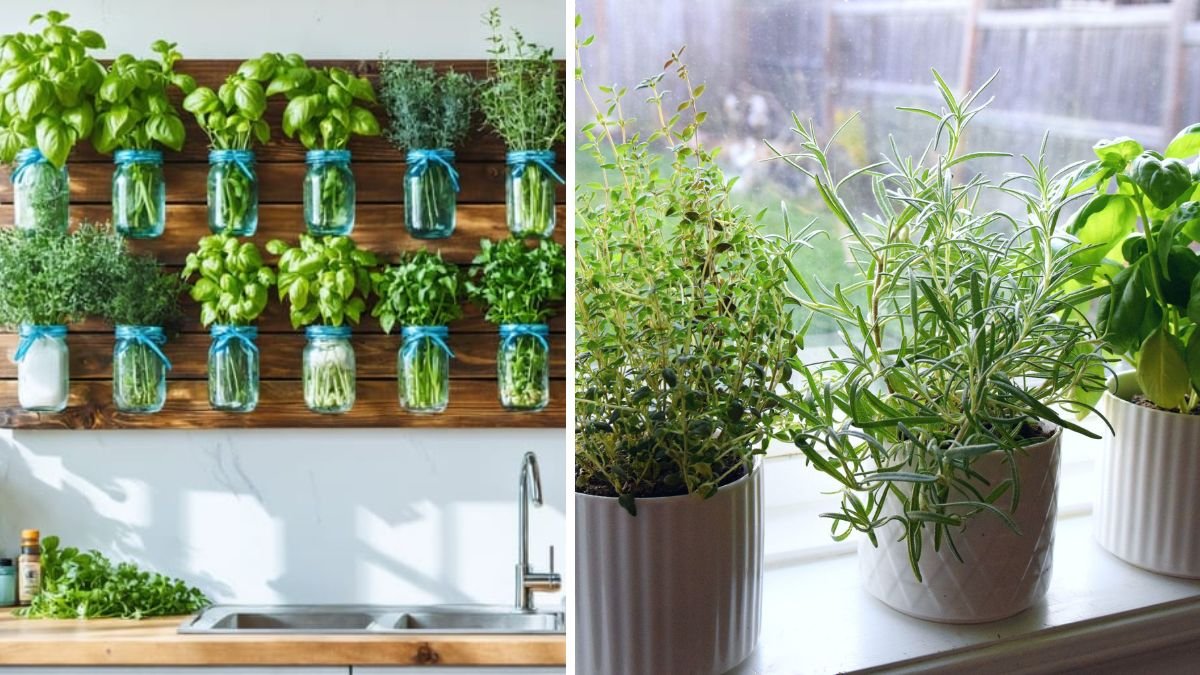

If you love fresh herbs but lack space, a vertical herb garden on a sunny kitchen door is the perfect solution. It combines beauty, function, and convenience—bringing garden-fresh flavor right to where you cook.
This guide will show you how to create a vertical herb garden on a sunny kitchen door, even if you’re short on space or gardening experience.
Why a Kitchen Door Herb Garden Works So Well
A kitchen door often receives consistent sunlight and is close to where herbs are used most.
Key benefits:
- Saves counter and floor space
- Easy daily access while cooking
- Improves indoor air and aesthetics
- Encourages frequent harvesting
Vertical gardening turns unused space into productive greenery.
Choosing the Right Door and Light Conditions
Before starting, evaluate your door:
- Must receive 4–6+ hours of sunlight
- Should open without crushing plants
- Can be interior or exterior glass doors
South- or west-facing doors are ideal.
Best Herbs for Vertical Door Gardens
Choose herbs that stay compact and tolerate frequent harvesting.
Top choices:
- Basil
- Parsley
- Cilantro
- Thyme
- Oregano
- Chives
- Mint (contained)
Avoid large woody herbs like mature rosemary unless space allows.
Vertical Garden System Options
1. Pocket Fabric Planters
- Lightweight
- Breathable
- Easy to install
2. Wall-Mounted Pots
- Individual containers
- Easy plant replacement
3. Hanging Rail Systems
- Adjustable
- Stylish and modern
4. Magnetic Planters (Metal Doors)
- Drill-free
- Minimalist design
Choose a system based on door strength and available space.
Installation Basics
You’ll need:
- Mounting hardware or hooks
- Lightweight planters
- Measuring tape
- Level
Tips:
- Keep total weight low
- Secure firmly
- Leave clearance for door movement
Safety and balance are essential.
Soil and Planting Setup
Use a light, well-draining mix to prevent dripping and root rot.
Recommended mix:
- Potting soil
- Coconut coir
- Perlite
Plant one herb per pocket for healthy growth.
Watering Without the Mess
Vertical gardens need careful watering.
Best methods:
- Use a spray bottle for light watering
- Water slowly to prevent runoff
- Place a drip tray at the bottom
Check moisture daily—vertical planters dry faster.
Lighting Support (If Needed)
If sunlight is limited:
- Install slim LED grow lights above the door
- Use daylight-spectrum bulbs
- Set on a 10–12 hour timer
This ensures year-round growth.
Harvesting and Maintenance
Frequent harvesting keeps herbs compact.
Maintenance tips:
- Trim weekly
- Rotate plants if growth is uneven
- Remove yellow leaves promptly
Healthy airflow prevents mold and pests.
Creative Styling Ideas
Make your herb garden part of your kitchen décor:
- Label herbs with chalk tags
- Mix trailing and upright herbs
- Use neutral planters for a clean look
- Match planters to kitchen color scheme
Function and beauty can coexist.
Common Problems and Fixes
- Drooping plants: Need more water or light
- Mold: Improve airflow, reduce watering
- Slow growth: Increase light exposure
Most issues are easily corrected with small adjustments.
Final Thoughts
A vertical herb garden on a sunny kitchen door is one of the most practical and rewarding ways to grow fresh food indoors. It saves space, enhances cooking, and adds natural beauty to your kitchen. With the right herbs and setup, you’ll enjoy fresh flavor every single day—no backyard required.