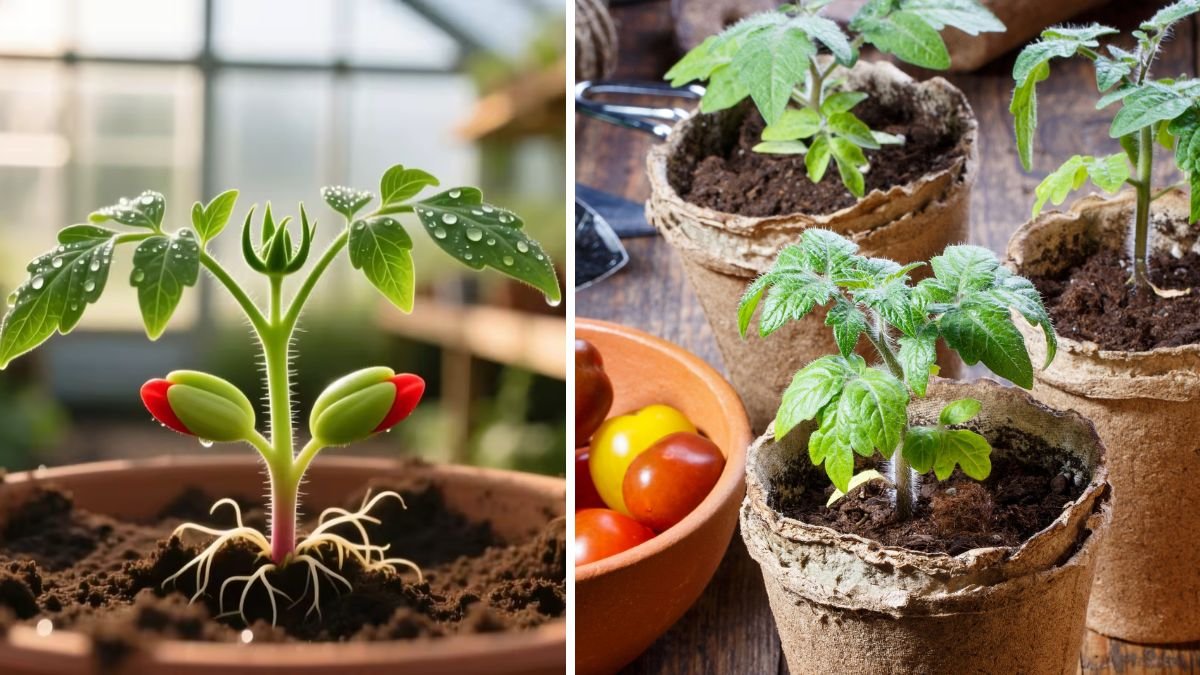

Tomatoes are one of the most popular home-grown vegetables, and starting them from seed is both economical and satisfying. Germinating tomato seeds gives you access to more varieties, stronger plants, and a deeper connection to your garden.
This beginner-friendly guide explains how to successfully germinate tomato seeds, from choosing seeds to transplanting healthy seedlings.
Why Start Tomatoes From Seed?
Starting tomatoes from seed allows you to:
- Choose from hundreds of varieties
- Save money
- Grow healthier, stronger plants
- Control growing conditions early
Seed-started tomatoes often outperform store-bought seedlings.
Choosing the Right Tomato Seeds
Select seeds based on:
- Climate suitability
- Space (determinate vs. indeterminate)
- Disease resistance
- Flavor preference
Buy fresh seeds from reputable suppliers for higher germination rates.
When to Start Tomato Seeds
Timing is critical.
General rule:
- Start seeds 6–8 weeks before the last frost date
- Indoor starting gives better control
- Avoid starting too early
Correct timing prevents leggy seedlings.
Materials You’ll Need
- Seed trays or small pots
- Seed-starting mix
- Spray bottle
- Plastic cover or humidity dome
- Grow lights or sunny window
Clean containers reduce disease risk.
Step-by-Step Tomato Seed Germination
Step 1: Fill Containers
- Use sterile seed-starting mix
- Moisten soil before planting
Step 2: Plant Seeds
- Sow seeds ¼ inch deep
- Cover lightly with soil
- Label varieties
Step 3: Water Gently
- Mist soil to avoid washing seeds away
- Keep soil consistently moist
Providing Ideal Germination Conditions
Tomato seeds need:
- Temperature: 70–85°F (21–29°C)
- Moist soil
- Indirect light until sprouting
Seeds usually sprout within 5–10 days.
Light After Germination
Once seedlings emerge:
- Provide 14–16 hours of light daily
- Use grow lights 2–3 inches above plants
- Rotate trays for even growth
Insufficient light causes weak, leggy plants.
Watering Seedlings Properly
- Water from the bottom when possible
- Keep soil moist but not soggy
- Allow surface soil to dry slightly between watering
Overwatering causes damping-off disease.
Feeding Young Seedlings
Begin feeding when:
- First true leaves appear
- Use diluted liquid fertilizer
- Feed every 10–14 days
Gentle feeding promotes steady growth.
Thinning and Transplanting
If multiple seedlings sprout:
- Thin by cutting weaker seedlings
- Transplant when plants have 2–3 sets of true leaves
- Bury stems deeper to encourage root growth
Tomatoes benefit from deep planting.
Hardening Off Seedlings
Before moving outdoors:
- Gradually expose seedlings to outdoor conditions
- Increase exposure over 7–10 days
- Protect from strong wind and cold
Hardening off prevents transplant shock.
Common Germination Problems
Seeds Not Sprouting
- Soil too cold or dry
- Old or poor-quality seeds
Seedlings Falling Over
- Damping-off disease
- Improve airflow and reduce moisture
Final Thoughts
Successfully germinating tomato seeds is the foundation of a productive garden. With proper timing, warmth, moisture, and light, even beginners can grow strong tomato seedlings ready to thrive outdoors. Starting from seed opens the door to healthier plants, better yields, and the satisfaction of growing tomatoes from the very beginning.