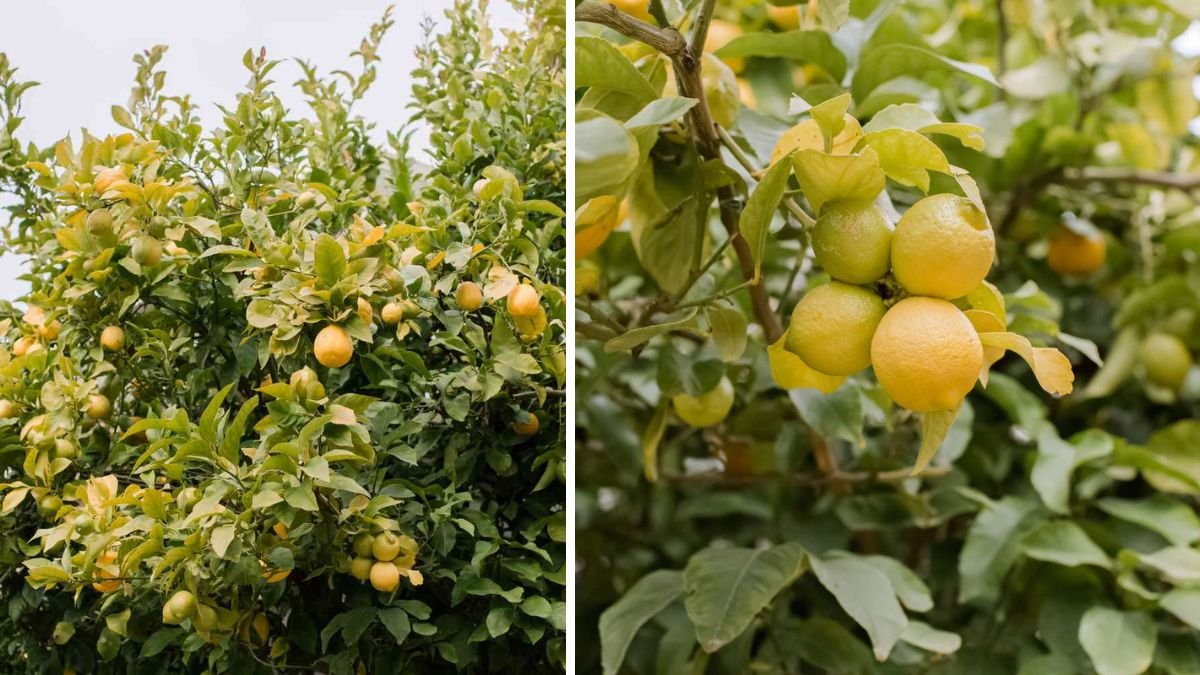

Growing a lemon tree from a fresh lemon is one of the most satisfying gardening projects you can try at home. What begins as a simple kitchen fruit can turn into a lush, fragrant citrus plant that adds beauty, freshness, and joy to your living space. While growing lemons from seed requires patience, the process is beginner-friendly and incredibly rewarding.
This guide will take you step by step through how to grow a lemon tree from a fresh lemon, from seed preparation to long-term care.
Can You Really Grow a Lemon Tree From a Lemon?
Yes, you can. Lemon seeds are viable and can germinate easily when planted correctly. However, it’s important to understand a few things upfront:
- Seed-grown lemon trees take longer to produce fruit
- The fruit may differ slightly from the original lemon
- Some seed-grown trees may never fruit but still grow beautifully
Even without fruit, lemon trees are attractive ornamental plants with glossy leaves and a fresh citrus scent.
Step 1: Choosing the Right Lemon
Success starts with the right fruit.
Best practices:
- Choose an organic lemon (non-organic lemons may have treated seeds)
- Select a ripe, healthy lemon
- Avoid fruits with mold or damage
Meyer lemons are especially popular for home growing due to their adaptability.
Step 2: Extracting and Preparing the Seeds
- Cut the lemon and remove the seeds
- Rinse seeds thoroughly to remove pulp and sugar
- Select plump, undamaged seeds
- Optional: Carefully peel off the white outer seed coat to speed up germination
- Do not let seeds dry out
Planting seeds while fresh increases germination success.
Step 3: Planting the Lemon Seeds
What You’ll Need
- Small pots with drainage holes
- Light, well-draining potting mix
- Spray bottle or gentle watering can
How to Plant
- Fill the pot with moist soil
- Plant seeds about ½ inch deep
- Cover lightly with soil
- Water gently
- Place the pot in a warm, bright spot with indirect sunlight
Covering the pot loosely with plastic can help retain moisture during germination.
Step 4: Germination and Early Growth
Lemon seeds usually germinate within 1–3 weeks.
Ideal conditions:
- Temperature: 70–85°F (21–29°C)
- Consistently moist soil
- Bright, indirect light
Once seedlings appear, remove any plastic cover and ensure good airflow.
Step 5: Light Requirements for Healthy Growth
Lemon trees love sunlight.
Best lighting:
- 8–10 hours of bright light daily
- South- or southwest-facing window
- Supplemental grow lights in winter
Rotate the pot weekly to encourage even growth.
Step 6: Watering and Fertilizing
Watering
- Water when the top 1–2 inches of soil feel dry
- Water deeply until excess drains out
- Never let the pot sit in standing water
Fertilizing
- Begin feeding after 2–3 months
- Use citrus-specific or balanced fertilizer
- Feed every 4–6 weeks during spring and summer
Avoid overfertilizing, which can burn roots.
Step 7: Transplanting as the Tree Grows
As the lemon tree grows:
- Repot when roots appear from drainage holes
- Move up only 1–2 inches in pot size
- Repot every 1–2 years
Gradual pot upgrades prevent root shock.
Pruning and Shaping
Light pruning helps shape the tree.
Tips:
- Remove weak or crossing branches
- Pinch growing tips to encourage bushiness
- Prune lightly in spring
Avoid heavy pruning in early years.
Will It Produce Lemons?
Possibly—but patience is key.
- Fruit may take 5–10 years
- Indoor trees may need hand pollination
- Some trees may stay ornamental only
Even without fruit, lemon trees are valued for their beauty and fragrance.
Common Problems and Solutions
- Yellow leaves: Overwatering or nutrient deficiency
- Leaf drop: Sudden temperature changes
- Pests: Treat aphids or spider mites with neem oil
Early care adjustments prevent long-term issues.
Final Thoughts
Growing a lemon tree from a fresh lemon is a journey of patience and discovery. With consistent care, proper light, and a little time, your kitchen seed can grow into a vibrant citrus plant that brings life, scent, and satisfaction into your home.