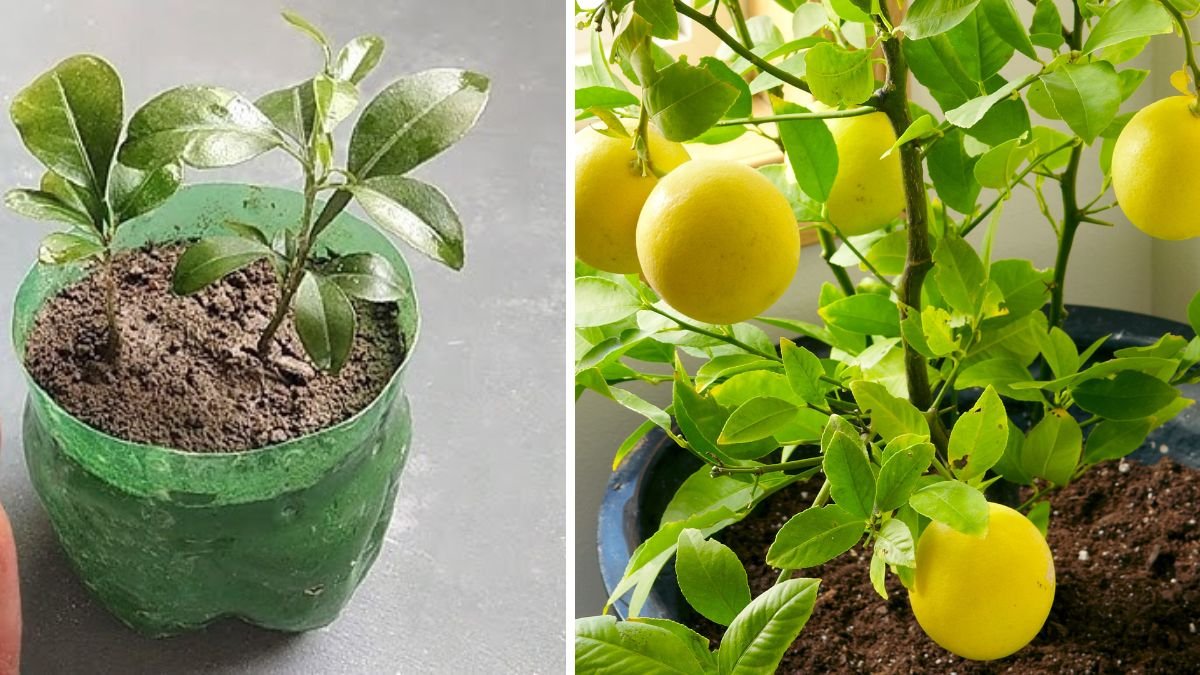

Growing a lemon tree from seed is a rewarding project that combines patience, curiosity, and the joy of nurturing life from something as simple as a seed. While seed-grown lemon trees take longer to bear fruit than grafted trees, they are easy to start, budget-friendly, and perfect for beginners who want to learn the basics of citrus care.
This step-by-step guide will walk you through how to grow a lemon tree from seeds, from choosing the right lemon to caring for your young tree long-term.
Why Grow a Lemon Tree From Seed?
Starting a lemon tree from seed offers several benefits:
- It’s inexpensive and accessible
- Great for beginners and families
- Ideal for indoor or patio growing
- A hands-on way to learn plant growth stages
Even if fruit production takes time, the glossy leaves and citrus scent make lemon trees a beautiful addition to any space.
Step 1: Choosing the Right Lemon
Not all lemons are created equal. For best results:
- Use organic lemons, as non-organic fruits may have treated or non-viable seeds
- Choose a fully ripe, healthy lemon
- Avoid seeds that look shriveled or damaged
Popular varieties like Eureka or Meyer lemons are excellent choices for home growing.
Step 2: Preparing the Seeds
Proper seed preparation increases germination success.
How to Prepare Lemon Seeds
- Remove seeds from the lemon
- Rinse thoroughly to remove pulp and sugar
- Optional: Peel off the outer seed coat carefully to speed up germination
- Keep seeds moist—do not let them dry out
Plant the seeds immediately for best results.
Step 3: Planting the Seeds
What You’ll Need
- Small pots with drainage holes
- Light, well-draining potting mix
- Spray bottle or gentle watering can
Planting Steps
- Fill the pot with moist soil
- Plant seeds about ½ inch deep
- Cover lightly with soil
- Water gently
Place the pot in a warm location with indirect sunlight.
Step 4: Germination and Early Care
Lemon seeds typically germinate within 1–3 weeks.
Ideal conditions:
- Temperature between 70–85°F (21–29°C)
- Consistently moist soil
- Bright, indirect light
Once sprouts appear, remove any plastic cover and ensure good airflow.
Step 5: Providing the Right Light
Young lemon trees love light.
Light requirements:
- 8–10 hours of bright light daily
- Sunny windowsill or grow light
- Rotate the pot weekly for even growth
Insufficient light can result in weak, leggy growth.
Step 6: Watering and Feeding
Watering
- Water when the top inch of soil feels dry
- Avoid soggy soil
- Ensure proper drainage
Fertilizing
- Begin feeding after 2–3 months
- Use a citrus-specific or balanced fertilizer
- Feed every 4–6 weeks during active growth
Step 7: Transplanting as the Tree Grows
As your lemon tree grows, it will need larger pots.
When to repot:
- Roots appear through drainage holes
- Growth slows
- Soil dries out quickly
Choose a pot 1–2 inches larger each time to avoid root shock.
Step 8: Pruning and Shaping
Pruning helps create a strong structure.
Pruning tips:
- Remove weak or crossing branches
- Pinch tips to encourage bushier growth
- Prune lightly during spring
Avoid heavy pruning in early years.
Will a Seed-Grown Lemon Tree Bear Fruit?
Yes, but patience is key.
- Fruit may take 5–10 years
- Flavor may differ from the parent fruit
- Indoor trees may need hand pollination
Even without fruit, the tree remains ornamental and fragrant.
Common Problems and Solutions
- Yellow leaves: Overwatering or nutrient deficiency
- Leaf drop: Sudden temperature changes
- Pests: Treat aphids or spider mites with neem oil
Early attention prevents long-term damage.
Final Thoughts
Growing a lemon tree from seed is a slow but satisfying journey. With consistent care, proper light, and patience, your tiny sprout can grow into a lush citrus tree that brings beauty and freshness into your home for years to come.