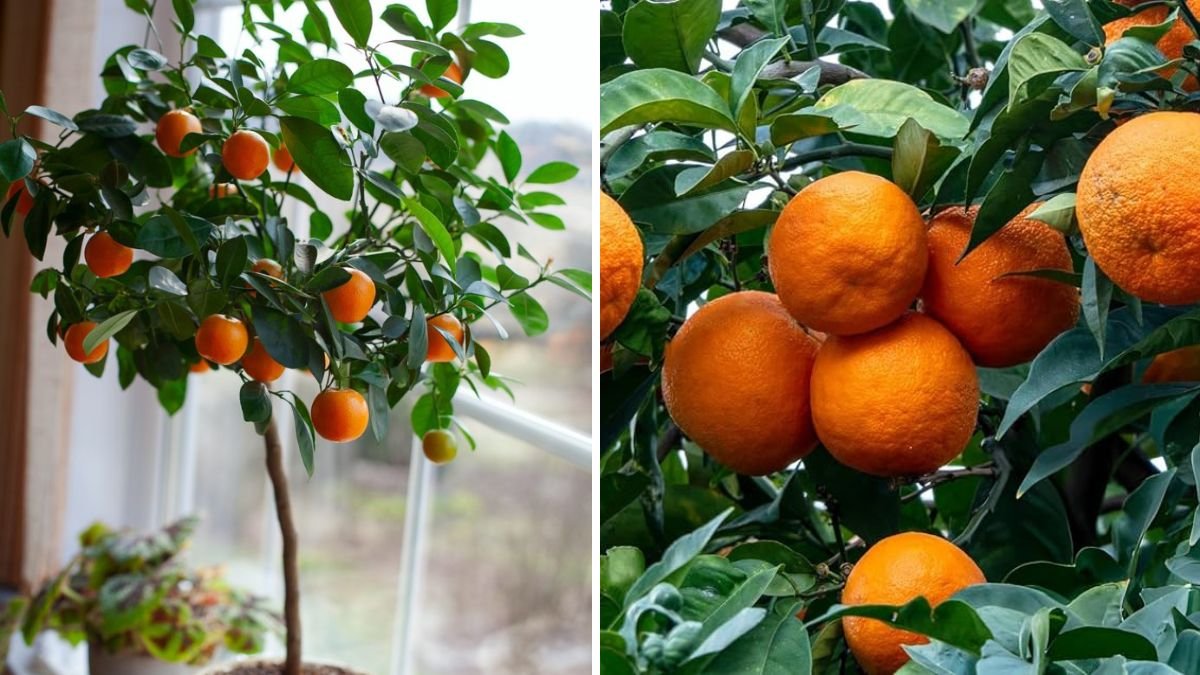

Growing an orange tree from an actual orange fruit is one of the most exciting gardening projects you can try at home. It feels almost magical: you enjoy a juicy orange today, and from its tiny seeds, you can cultivate a healthy orange tree for tomorrow. While it’s true that trees grown from seeds may not always produce fruit identical to the parent plant, the joy of growing your own citrus tree—from seed to sapling—is a rewarding journey for any gardening enthusiast.
This detailed guide walks you through the entire process of growing an orange tree from an orange fruit, step-by-step, using simple techniques you can try at home. Whether you’re a beginner or an experienced gardener, this article provides everything you need to know to succeed.
Why Grow an Orange Tree From a Fruit?
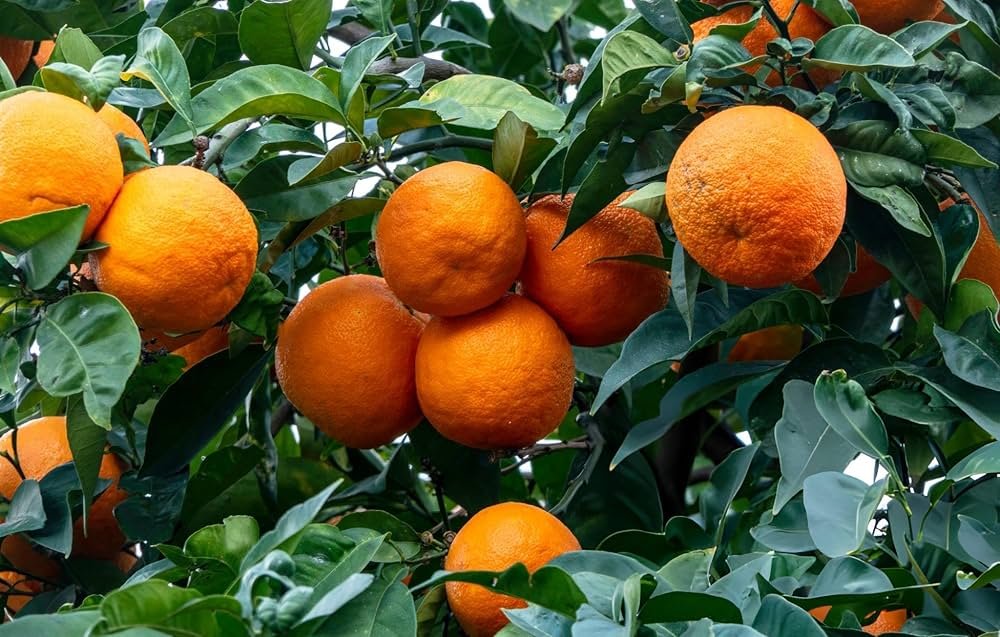
Most gardeners grow citrus trees using grafted saplings. However, starting from seed has its own charm and benefits:
1. Low-Cost and Beginner-Friendly
All you need is one ripe orange, a pot, and some soil. No advanced tools or skills are required.
2. A Fun Learning Project
Perfect for kids, students, and home gardeners who want to understand plant life cycles more deeply.
3. A Beautiful Indoor or Outdoor Plant
Even if the tree doesn’t fruit for several years, it becomes a lovely ornamental plant with glossy green leaves and a refreshing citrus aroma.
4. Strong and Hardy Seedlings
Seed-grown citrus trees often develop strong roots, helping them resist disease and harsh climate conditions.
Step 1: Choosing the Right Orange Fruit
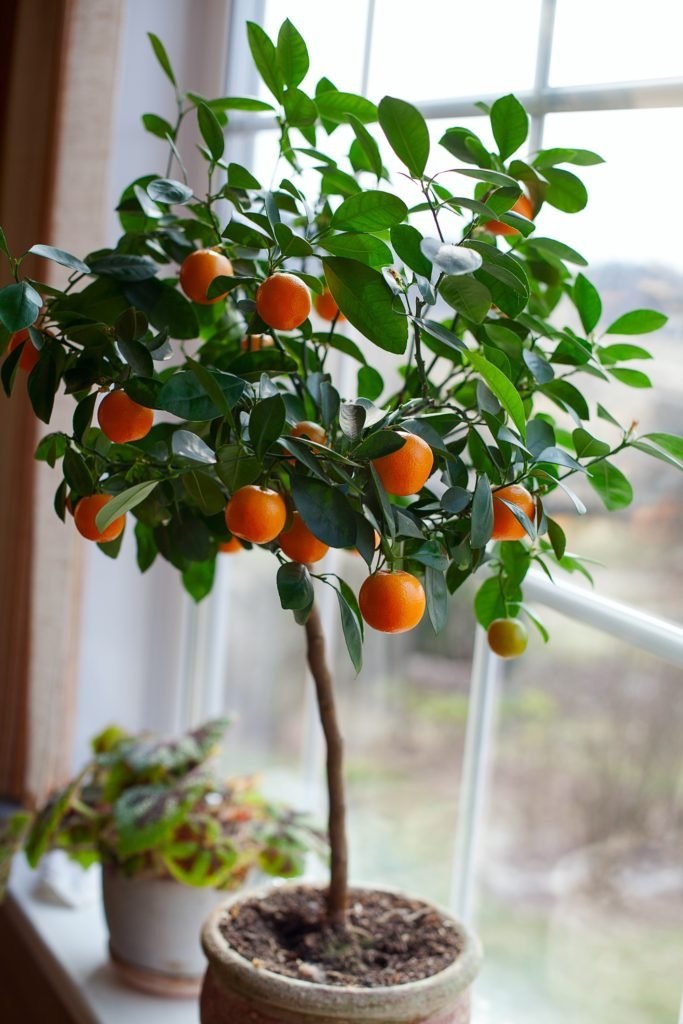
The first step begins at the fruit itself.
✔ Use a Fresh, Ripe, and Healthy Orange
Avoid seedless varieties. Pick oranges that are:
- Fully ripe
- Juicy
- Seed-filled
- Free from damage or rot
Varieties like Nagpur Orange, Valencia, Navel (occasionally seedy), or local desi oranges work well.
Open the fruit carefully and extract 8–10 seeds. More seeds mean a better chance of getting strong seedlings.
Step 2: Preparing the Seeds Properly
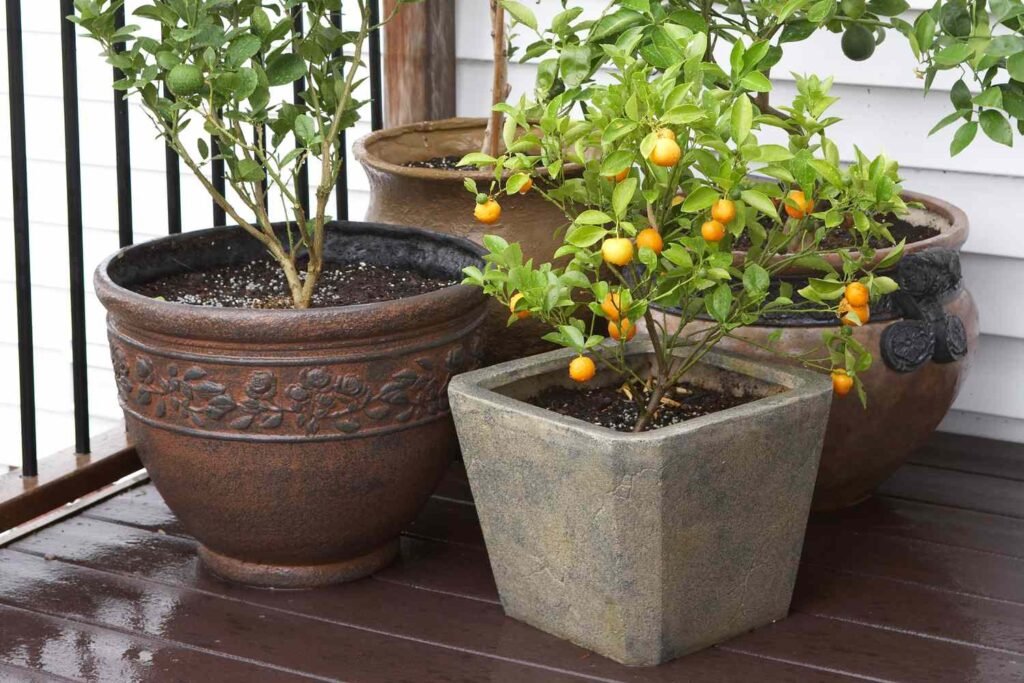
Fresh orange seeds need a little preparation before planting.
1. Wash the Seeds
Remove all pulp. Any remaining fruit flesh attracts fungus and bacteria.
2. Peel the Outer Skin (Optional but Recommended)
Orange seeds have a hard outer coating. Gently peeling it off:
- Speeds up germination
- Reduces the risk of rotting
- Helps the seed sprout evenly
Be careful not to damage the white inner seed.
3. Pre-Soak the Seeds
Place the seeds in warm water for 8–12 hours. This softens the coat and wakes the embryo.
Step 3: Germinating the Seeds
There are two easy options for germination.
Method A: Paper Towel Method (Fast & Reliable)
- Take a clean tissue or paper towel.
- Moisten it slightly—damp, not dripping.
- Place the soaked seeds inside.
- Fold the paper towel and place it in a zip-lock bag.
- Keep the bag in a warm, dark place (25–30°C).
Check after 7–14 days. You’ll see tiny white roots appear—your seeds are now ready for planting.
Method B: Direct Soil Method (Natural but Slower)
- Fill a small pot with light, well-draining soil.
- Make 1-inch deep holes.
- Plant each seed separately.
- Water gently and cover the pot with plastic wrap to maintain humidity.
Seeds sprout in 2–4 weeks depending on the season.
Step 4: Preparing the Perfect Soil Mix
Orange trees love soil that is:
- Loose
- Rich
- Slightly acidic
- Well-draining
Use this ideal potting mix:
- 40% garden soil
- 30% cocopeat or sand
- 20% compost (cow dung or vermicompost)
- 10% perlite/leaf mold
This helps the roots grow faster and prevents waterlogging.
Step 5: Planting the Sprouted Seeds
Once your seeds develop roots (1–2 cm long), gently transplant them:
- Fill a 6-inch pot with the prepared soil.
- Make a small hole in the center.
- Place the sprouted seed root-side down.
- Cover lightly with soil.
- Water with a spray bottle.
Keep the pot in indirect sunlight for 7–10 days until the seedlings are strong.
Step 6: Caring for the Orange Seedlings
To grow a healthy citrus plant, follow these care tips:
🌞 Sunlight Requirements
- For seedlings: 3–4 hours of morning sunlight
- For bigger plants: 6 hours of full sunlight daily
💧 Watering
Citrus roots hate too much water.
- Water only when the top soil feels dry.
- Avoid waterlogging at all costs.
Use a sprayer for seedlings to prevent damage.
🌱 Fertilizing
Start feeding after the plant is 2–3 months old.
Use:
- Vermicompost (every 30 days)
- Citrus fertilizer (every 2–3 months)
- Epsom salt (once every 60 days for magnesium)
🌬 Air Circulation
Good airflow reduces fungal diseases.
Avoid keeping the plant in overcrowded or damp areas.
Step 7: Transplanting to a Bigger Pot
When the plant reaches 25–30 cm height or shows root-bound signs, transfer it to a larger 12–14 inch pot.
Use the same soil mix and ensure the new pot has a drainage hole.
Step 8: When Will the Plant Start Fruiting?
Growing citrus from seed requires patience.
- Usually takes 4–7 years to bear fruit
- Seed-grown oranges may be slightly different from the parent fruit
- With good sunlight and care, they can become robust fruiting trees
If you want guaranteed fruit quality, you can later graft the seed-grown plant with a good-quality orange variety.
Tips to Boost Growth and Health
✔ Mulch with dry leaves
✔ Keep soil lightly moist
✔ Prune weak or yellow branches
✔ Protect young plants from harsh cold
✔ Add organic compost regularly
These practices help your orange tree grow faster, healthier, and stronger.
Common Problems and Solutions
1. Yellow Leaves
Usually due to overwatering or poor drainage.
Solution: Reduce watering and improve soil mix.
2. Slow Growth
Lack of sunlight.
Solution: Move to a brighter area.
3. Fungal Spots
Caused by high humidity.
Solution: Prune affected leaves and improve air circulation.
Final Thoughts
Growing an orange tree from a fresh orange fruit is a delightful and rewarding experience. With simple materials and a bit of patience, you can watch a tiny seed transform into a lush citrus plant right in your home. Whether you grow it for fruit or simply for its beauty, an orange tree is a wonderful addition to your garden.
So next time you eat an orange, don’t throw away the seeds—plant them, nurture them, and enjoy the magic of nature unfolding before your eyes! 🍊🌱