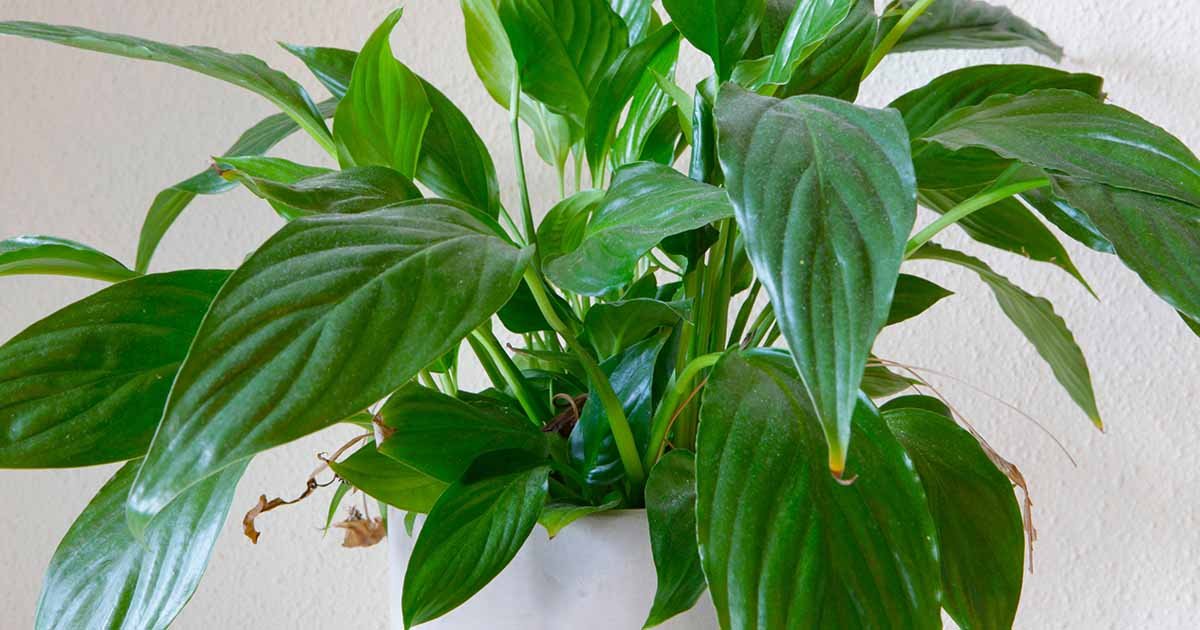

Peace lilies are among the most popular houseplants, loved for their elegant white blooms and glossy green leaves. They’re often marketed as “easy care” plants, but many owners find themselves frustrated when the leaf tips turn brown, dry, and crunchy. If you’ve noticed this happening to your peace lily, don’t worry—you’re not alone, and the problem is usually easy to fix once you understand the cause.
This article will walk you through why peace lily tips turn brown, how to diagnose the exact issue, and what you can do to restore your plant’s health and beauty.
Why Do Peace Lily Tips Turn Brown?
Brown, crunchy tips are a sign of stress. Peace lilies are sensitive plants, and even small changes in their environment can show up on their leaves. The most common causes include:
- Improper watering
- Low humidity
- Poor water quality
- Excess fertilizer
- Too much direct sunlight
- Temperature stress
- Root-related problems
Let’s break each one down.
1. Watering Problems: Too Much or Too Little
Underwatering
Peace lilies love consistently moist soil. When the soil dries out too much, the leaf tips are often the first to suffer. The plant conserves moisture by sacrificing the edges of the leaves, leading to dry, crispy tips.
Signs of underwatering:
- Drooping leaves
- Dry soil pulling away from the pot edges
- Brown tips that feel brittle
Solution:
Water thoroughly when the top inch of soil feels dry. Make sure excess water drains out of the bottom of the pot.
Overwatering
Too much water can suffocate roots, preventing them from absorbing nutrients. This can also result in brown tips, though the leaves may feel soft rather than crunchy.
Solution:
Ensure your pot has drainage holes and never let your peace lily sit in standing water.
2. Low Humidity: A Common Indoor Issue
Peace lilies are tropical plants that thrive in humid environments. Indoor air—especially during winter—can be extremely dry, causing leaf tips to dry out.
Solution:
- Mist the leaves lightly 2–3 times a week
- Place a humidity tray (pebbles and water) beneath the pot
- Use a small humidifier near the plant
- Group plants together to increase ambient humidity
3. Poor Water Quality and Chemicals
Tap water often contains chlorine, fluoride, and salts that peace lilies are sensitive to. Over time, these chemicals build up in the soil and burn the leaf tips.
Signs of chemical damage:
- Brown tips with yellow edging
- White residue on the soil surface
Solution:
- Use distilled, rain, or filtered water
- Let tap water sit out for 24 hours before using
- Flush the soil once a month with clean water to remove salt buildup
4. Overfertilization
Peace lilies do not need heavy feeding. Too much fertilizer can cause salt accumulation in the soil, leading to burnt roots and brown leaf tips.
Solution:
- Fertilize only every 6–8 weeks during spring and summer
- Use a balanced, diluted houseplant fertilizer
- Skip feeding in fall and winter
5. Too Much Sunlight
While peace lilies tolerate low light, they do not tolerate direct sunlight well. Harsh sun can scorch the leaves, especially at the tips.
Solution:
Place your peace lily in:
- Bright, indirect light
- A few feet away from a sunny window
- East- or north-facing rooms
6. Temperature Stress and Drafts
Peace lilies prefer temperatures between 65–80°F (18–27°C). Cold drafts, air conditioners, and heaters can dry out the leaves quickly.
Solution:
- Keep the plant away from vents and drafts
- Avoid placing it near doors or windows in winter
- Maintain stable room temperatures
7. Root Problems and Pot Size
If your peace lily is root-bound or suffering from root rot, it may not absorb water properly, causing leaf damage.
Solution:
- Repot every 1–2 years
- Choose a pot only 1–2 inches larger than the current one
- Use well-draining, peat-based potting mix
Should You Cut Brown Tips Off?
Yes! Trimming brown tips improves appearance and prevents further stress.
How to do it:
- Use clean, sharp scissors
- Cut along the natural shape of the leaf
- Avoid cutting into healthy green tissue
Preventing Brown Tips in the Future
To keep your peace lily thriving:
- Water consistently
- Maintain humidity
- Use quality water
- Fertilize sparingly
- Provide indirect light
- Repot when necessary
With the right care, your peace lily will reward you with lush green leaves and elegant white blooms year-round.