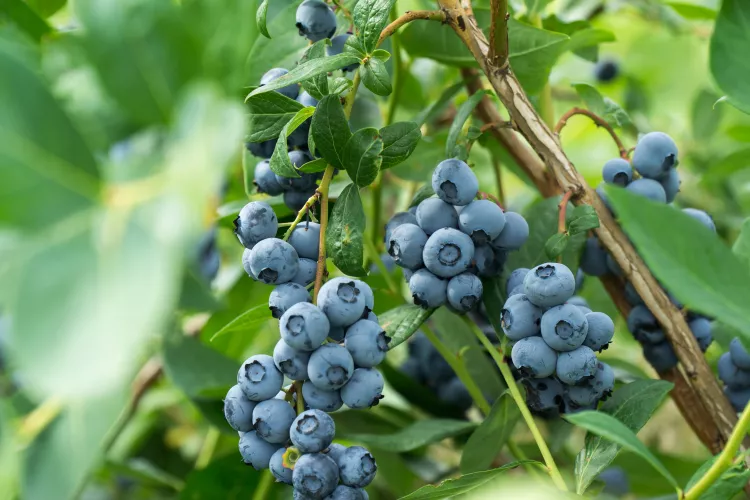

If the idea of growing berry bushes in your backyard is tempting, learning that it can be done from cuttings may be all you need to know to commit. Using cuttings to grow your own bramble or blueberry patch is pretty easy with some advance planning and a little patience, and it’s cost effective since you don’t have to buy new plants. Berry bushes root easily, but timing is key. Hardwood cuttings should be taken in late fall or early winter, and in the summer for softwood. Follow these steps to grow berry bushes from cuttings so you can reap the delicious rewards of a thriving backyard harvest.
When To Take Cuttings
When to take cuttings depends on the type of berry bush you have. Hardwood cuttings from the past growing season can be easier for beginners, but softwood cuttings give faster results since they are taken from new green growth. Many plants, like blueberries, blackberries, and elderberries, can be started from either type of cutting. The best time to take hardwood cuttings from blueberries, gooseberries, and currants is when the plant is dormant, from late fall to winter. Softwood cuttings for raspberries and other berries should be taken during summer from healthy new soft green growth.
It’s illegal to propagate a patented berry variety, so look for cultivated plants at your local garden center. Don’t dig up wild berries because their quality isn’t as good.
How To Start Berry Bushes From Cuttings
- Choose a healthy stem: Softwood should be from pliable new shoots, while hardwood should be woody, but not old and gray. The stem should be about as thick as a pencil and should have several nodes.
- Use clean pruners to cut a section that’s 6 to 8 inches long. Remove the lower leaves and keep the top ones on.
- Dip the cut end of the stem into a rooting hormone.
- Prepare a small pot with well-draining soil with the appropriate pH level for the type of berry you are growing, and moisten it so it’s damp but not soggy.
- Plant the cut end about 2 to 4 inches into the soil and pat the soil down around the stem.
- Cover the plant with a plastic bag to create a humid, greenhouse-like environment, and place the pot in bright, indirect sun.
- Keep the soil moist, and mist the cutting regularly to maintain humidity.
- In a few weeks to a few months, you should see new growth emerge.
- Transplant the cutting to a larger pot or into its permanent location in your yard in the fall once it has developed a strong root system.