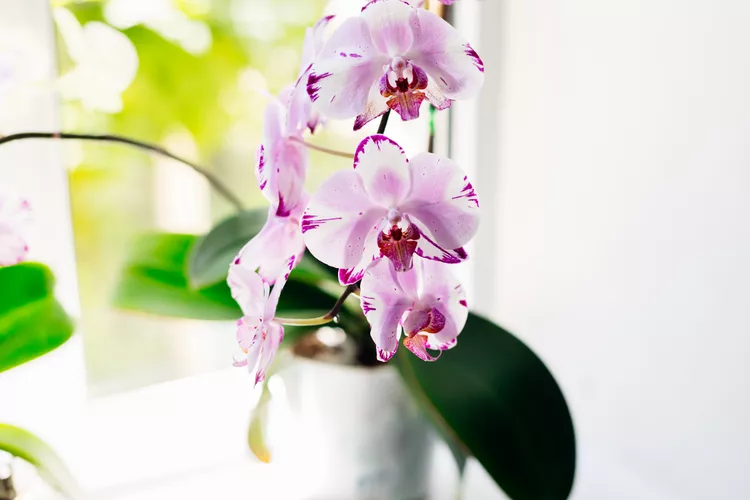

Orchids (Orchidaceae) are known for their elegant beauty and long-lasting blooms, making them a popular choice for indoor plants. Although they have a reputation for being finicky, they can thrive indoors with the right approach. One crucial element of their care is fertilization.
Fertilizing orchids is different from fertilizing other houseplants, but once you get the hang of it, it’s fairly easy. With a little practice, you’ll find that managing their nutritional needs is straightforward. Ahead, experts share valuable insights into effectively fertilizing your orchids. You’ll learn how often to apply fertilizer and how to avoid common mistakes, ensuring your orchids remain healthy and vibrant.
- Bridget Uzar, orchid expert at Carter and Holmes Orchids
- Samantha Herman, gardening expert and founder of House + Plant
How to Prune Your Orchid the Right Way—Plus, When to Do It
Benefits of Fertilizing Orchids
Proper fertilization encourages strong root development and beautiful new growth. “Even though orchids are not considered heavy feeders, they still need supplements of fertilizer when grown in your home,” says Bridget Uzar of Carter and Holmes Orchids. Feeding orchids supplies these plants with the essential nutrients they need to produce healthy foliage, vibrant blooms, and overall vigor, helping them resist pests and diseases effectively. When an orchid is underfed or not fed at all, the orchid will eventually weaken and stop growing. As a result, the newer foliage may become undersized and discolored, she says.
While fertilizer has many benefits, it won’t cause your orchid to flower. “Orchids bloom in response to triggers such as high or low temperatures, day and night length, etc.,” says Uzar.
How Often to Fertilize Orchids
A good rule of thumb for most orchids is to fertilize “weekly, weakly” during the growing season, says Uzar. This means applying a very diluted amount of fertilizer—about a quarter of the recommended strength—weekly to mimic the nutrients plants would naturally receive in their environment.
However, it’s essential to be cautious, as this approach can sometimes lead to overfeeding. Signs of overfeeding include white crust on the pot or media, brown, scorched leaf tips, mushy or blackened roots, stunted growth, lack of blooms, and leaf drop. If you’re nervous about over-fertilizing your orchid, Uzar recommends using a water-soluble formula applied as a drench about once per month.
When to Fertilize Orchids
The best time to fertilize an orchid is when the plant is actively growing, which is typically during spring and summer. In winter or when the plant is dormant, you should generally reduce or stop fertilizing orchids, Uzar says. It’s also best to avoid fertilizing when the plant is actively blooming, as this can cause the flowers to drop prematurely.
How to Fertilize Orhids
When fertilizing orchids, use a product specifically formulated for orchids. “There are several formulas on the market, such as Superthrive 7-8-6, Peters 20-10-20, or Jack’s African Violet fertilizer, which will be fine for most orchids growing in your home,” says Uzar. Once you’ve selected a suitable fertilizer, feed your orchid by following these steps:
- Water well: Water your orchid thoroughly before fertilizing to prevent root burn.
- Dilute the product: If you feed your orchid weekly during the growing season, mix it at one-quarter of the recommended strength on the package. If you fertilize monthly, use the full-strength dosage.
- Apply the fertilizer: Pour the mixture over the potting mix until it runs out of the bottom of the pot. Ensure all excess water drains well; do not let the pot sit in water, as this can damage the roots.
- Flush the soil periodically: Uzar recommends leaching the pots periodically to remove excess salts and impurities that accumulate as the media degrades. To accomplish this, water your plant well the next time it needs water. Wait 30 to 60 minutes, then water thoroughly again. This helps flush out accumulated debris in the media and keeps it fresh for longer.
Don’t Miss
How to Get Your Orchid to Rebloom for Gorgeous Flowers Every Year
:max_bytes(150000):strip_icc():format(webp)/GettyImages-1249390413-fc0fc3fc660e4a30b8adcb6e7f7c3585.jpg)
How to Revive a Dying Orchid So It Flourishes for Decades, According to Horticulturists
Mistakes to Avoid
Home growers can make mistakes when caring for plants, especially orchids, because their fertilization needs differ from those of other houseplants. By keeping these tips in mind, you can ensure a smooth cultivation process for your orchids.
Not Fertilizing
One of the biggest mistakes people make when growing orchids is not fertilizing at all. Lack of fertilization results in fewer blooms, poor growth, nutrient deficiencies, and a generally weak plant, says Samantha Herman, gardening expert and founder of House + Plant. Even if your orchid looks healthy, it’s important to feed it regularly.
Using the Wrong Fertilizer
Using the wrong fertilizer can do more harm than good. If you’re new to orchid care, opting for a fertilizer designed for orchids is the best place to start, Hermann says.
Overfeeding
Using an undiluted fertilizer too frequently or during an orchid’s dormancy can harm your beloved plant. Always use a diluted, balanced fertilizer when feeding weekly, and stop feeding if the plant is dormant.
Not Flushing Salts
Salt accumulates in orchids due to fertilizer residue. Neglecting to flush orchid salts can result in a crusty residue on the medium, which damages roots and depletes water. Flushing your plant monthly helps prevent harmful salt build-up.