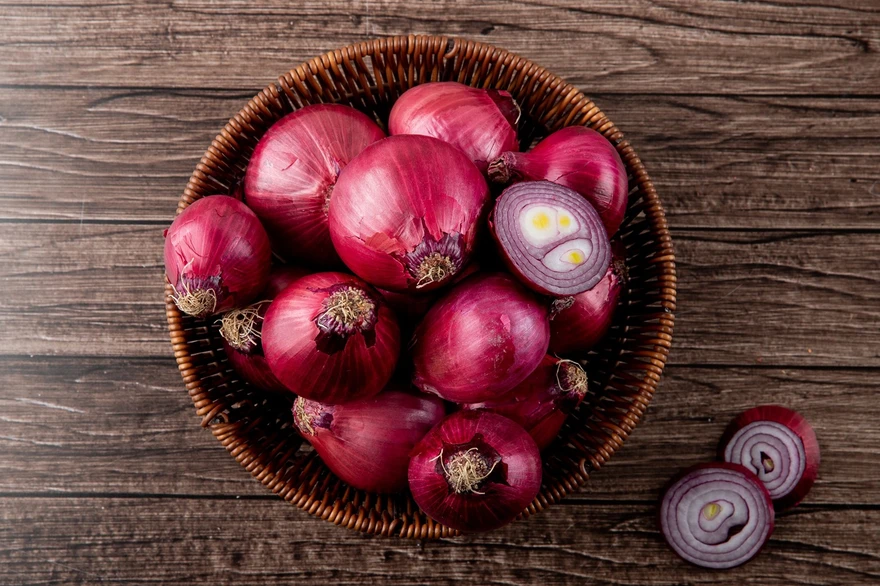

Onions belong to the Allium family and contain remarkable compounds that make them nutritional powerhouses. The primary onion health benefits stem from their rich content of antioxidants, particularly quercetin, and unique organosulfur compounds that provide anti-inflammatory, antioxidant, and antimicrobial properties.
Onions are naturally low in calories but rich in essential nutrients, including vitamin C, vitamin B6, folate, and potassium. What makes onions particularly special is their prebiotic fibre content, which supports digestive health by feeding beneficial gut bacteria.
As per Phytotherapy Research (PubMed/NCBI), onions (Allium cepa) are rich in health-promoting flavonoids such as quercetin and sulphur-containing compounds, which have been shown to exert antioxidant, anticarcinogenic, antiplatelet, antithrombotic, antimicrobial, and anti-asthmatic effects, supporting cardiovascular, immune, and overall metabolic health.
Raw onion health benefits are particularly notable, as heat can reduce some of their active compounds. However, both raw and cooked onions offer significant health advantages when consumed regularly as part of a balanced diet.
Types of Onions
Different onion varieties provide distinct profiles of health-promoting compounds:
• Yellow onions – The most common variety with moderate flavonoid content and excellent cooking versatility
• Red onions – Highest in anthocyanins and quercetin, making them nutritional superstars
• White onions – Milder flavour with good sulphur compound content
• Sweet onions – Lower in sulphur compounds but still provide essential nutrients
• Shallots – Concentrated flavour with high antioxidant levels
• Spring onions – Green stalks supply additional vitamins A and K
Onion Nutrition
Understanding the nutritional composition of onions helps explain their diverse health benefits:
| Nutrient | Per 100g Raw Onion | Health Benefit |
| Calories | 40 kcal | Low-calorie flavouring option |
| Carbohydrates | 9.3 g | Energy source with natural sugars |
| Fibre | 1.7 g | Supports digestive health |
| Vitamin C | 7.4 mg | Immune system support |
| Folate | 19 mcg | Cell division and DNA synthesis |
| Potassium | 146 mg | Heart health and blood pressure regulation |
| Quercetin | 22.4 mg | Powerful antioxidant protection |
| organosulfur compounds | Variable | Anti-inflammatory effects |
10 Health Benefits of Onion
1. Supports Heart Health
Onions offer notable cardiovascular protection. The quercetin and organosulfur compounds in onions help reduce LDL cholesterol levels whilst supporting healthy blood pressure. Some studies suggest regular onion consumption may reduce heart disease risk by as much as 20%.
2. Regulates Blood Sugar Levels
Raw onions may particularly support healthy blood sugar management. The sulphur compounds in onions can improve insulin sensitivity and help regulate glucose absorption. This makes onions valuable for people managing diabetes or prediabetes.
3. Boosts Immune System
The vitamin C and quercetin in onions help strengthen immune defences by supporting white blood cell function and reducing oxidative stress. These antioxidants help protect against oxidative stress and support white blood cell function. Including onions in your diet during cold and flu season can provide natural immune support.
4. Promotes Digestive Health
Onions contain prebiotic fibres that feed beneficial gut bacteria, promoting a healthy microbiome. This promotes better digestion, enhances nutrient absorption, and may positively influence mood through the gut–brain axis.
5. Supports Bone Health
Research indicates that regular onion consumption may help maintain bone density, particularly among postmenopausal women. The compounds in onions appear to reduce bone resorption and support calcium retention.
6. May Reduce Cancer Risk
The health benefits of onions may include potential cancer-protective effects. Studies indicate that regular onion consumption may be associated with reduced risk of stomach, colorectal, and prostate cancers due to their antioxidant and anti-inflammatory compounds.
7. Enhances Respiratory Health
Onions have natural expectorant properties that can help clear respiratory congestion. The sulphur compounds may also help reduce inflammation in airways, potentially benefiting those with asthma or bronchitis.
8. Supports Skin Health
The antioxidants in onions, particularly quercetin, help protect skin cells from damage caused by free radicals. This may contribute to healthier, more youthful-looking skin and reduced signs of ageing.
9. May Improve Sleep Quality
Onions contain compounds that may support better sleep patterns. The natural prebiotics can positively influence gut bacteria, which produce neurotransmitters that affect sleep quality.
10. Provides Natural Detox Support
Raw onions may support the body’s natural detoxification processes by promoting liver enzyme activity. The sulphur compounds help support liver function and may assist in eliminating toxins from the body.
Are There Any Side Effects of Eating Onions?
While onion health benefits are numerous, some people may experience side effects. Common issues include digestive discomfort, heartburn, or bad breath. People with gastroesophageal reflux disease (GERD) should consume onions cautiously, as they may trigger symptoms.
Those taking blood-thinning medications should consult their healthcare provider, as onions may enhance these effects. Additionally, people with onion allergies should avoid consumption entirely.
How to Include More Onions in Your Diet
• Add finely sliced raw onions to salads, sandwiches, and wraps for maximum nutritional benefit
• Include caramelised onions in soups, stews, and curries
• Use onion powder as a seasoning alternative
• Prepare onion-based chutneys and relishes
• Incorporate spring onions into stir-fries and omelettes
• Make French onion soup for a warming, nutritious meal
Local Considerations: Onion Consumption Around the World
Onions are consumed globally, with India being the world’s second-largest producer. In Indian cuisine, onions form the base of countless dishes, contributing significantly to the population’s antioxidant intake. Mediterranean diets, known for their health benefits, also feature onions prominently. Different cultures have long harnessed the health benefits of onions — from Korean kimchi and Indian curries to Mediterranean salads and Mexican salsas.
Conclusion
Onions are a simple yet powerful addition to everyday meals, offering wide-ranging health benefits that support immunity, heart health, digestion, weight management, and long-term disease prevention. When consumed as part of a balanced diet, onions contribute essential antioxidants, sulphur compounds, and fibre that help the body function more efficiently. However, optimal health goes beyond diet alone—early detection, regular monitoring, and preventive screening play an equally important role in maintaining overall well-being.
To support this proactive approach to health, Metropolis Healthcare’s advanced diagnostic services make preventive care accessible and reliable. With a comprehensive portfolio of 4,000+ diagnostic tests, including speciality testing and preventive full-body health check-ups, individuals can monitor key health markers with confidence. Home sample collection across 10,000+ touchpoints, quick turnaround times, and high-accuracy results ensure convenience without compromise. Easy booking through the website, phone, mobile app, or WhatsApp further simplifies the process, empowering individuals and families to stay informed, act early, and make healthier choices with trusted diagnostic support.