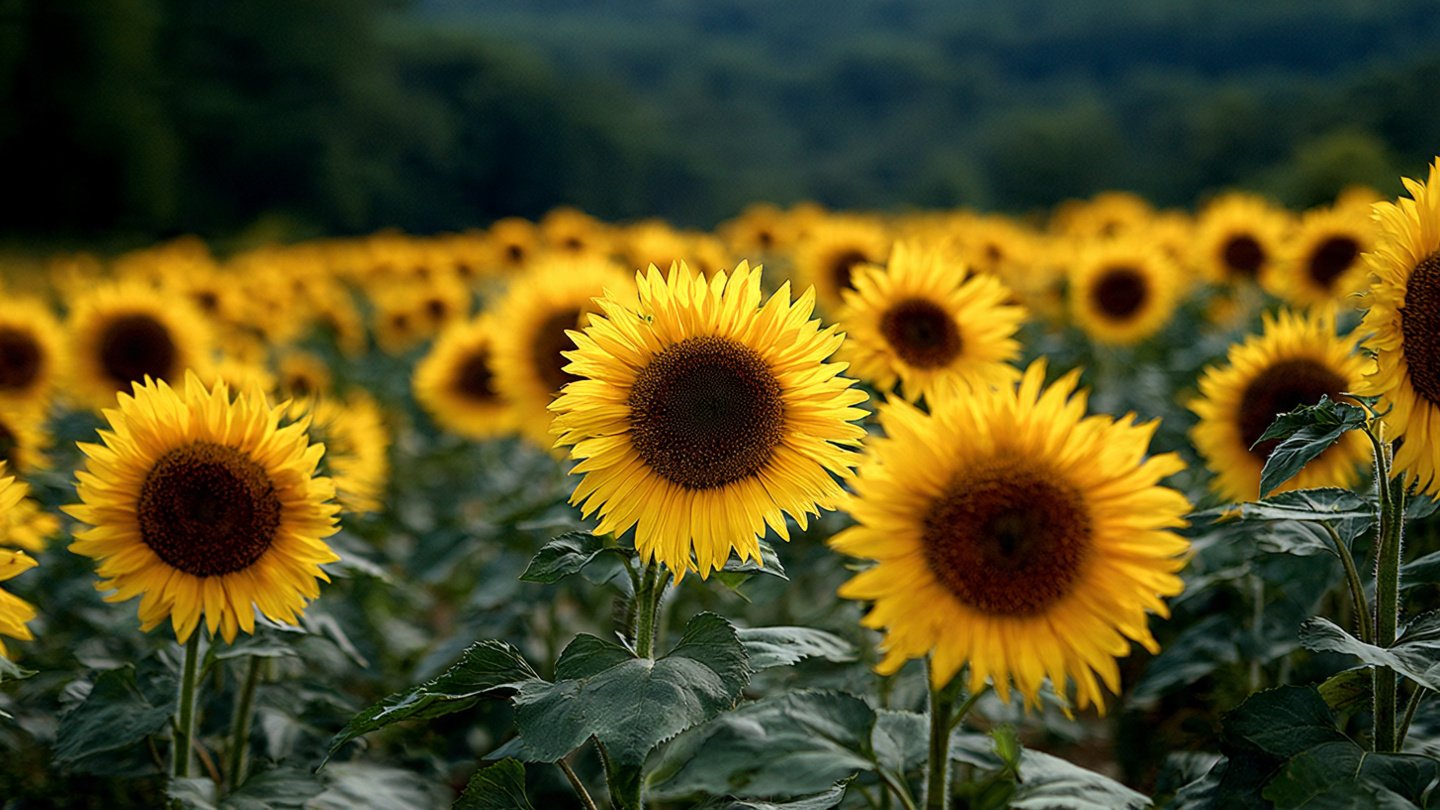

Sunflowers, with their vibrant yellow petals and towering heights, are not only eye-catching but also offer numerous benefits when planted along property lines. These cheerful flowers are multifunctional and can enhance aesthetics, provide privacy, and support local wildlife. In this article, we will explore the key reasons to cultivate sunflowers along your property edges and how to do it effectively.
1. Aesthetics and Curb Appeal
One of the most obvious advantages of planting sunflowers is their visual appeal. Sunflowers can transform a mundane property line into a lively and inviting space. Their bright yellow hue can serve as a cheerful welcome to guests and passersby.
- Seasonal Beauty: Sunflowers bloom in summer, bringing color during a time when many other plants are also flourishing.
- Variety: With numerous sunflower varieties available, you can choose different heights and shades, allowing for creative landscaping designs.
- Contrast: Sunflowers look stunning against a backdrop of greenery, fences, or other structures, enhancing the overall curb appeal.
2. Natural Privacy Screen
For those seeking a degree of privacy without the permanence of a fence, sunflowers can be an effective natural screen. Their tall, robust stalks can create a living barrier that obscures views into your property.
- Height: Certain varieties of sunflowers can grow over 10 feet tall, providing substantial cover.
- Seasonal Growth: Unlike many hedges or shrubs, which may take time to establish, sunflowers grow quickly and can provide privacy within a single growing season.
- Flexible Placement: Sunflowers can be planted in various configurations and arrangements to suit your landscape and desired level of privacy.
3. Wildlife Support
Sunflowers are not just beautiful; they are also beneficial for wildlife. By planting them along your property line, you can support various species and contribute to local biodiversity.
- Pollinators: Sunflowers attract pollinators like bees, butterflies, and hummingbirds, which are essential for a healthy ecosystem.
- Birds: Once the sunflower seeds ripen, they become a food source for birds, including finches and sparrows, encouraging wildlife observation right in your backyard.
- Habitat: Sunflowers can provide shelter for small wildlife, like insects and rodents, contributing to a more balanced garden.
4. Soil Health Improvement
Planting sunflowers can also have positive effects on soil health. As they grow, they contribute organic matter to the soil, which can enhance fertility and structure.
- Deep Roots: Sunflowers have long taproots that can help break up compacted soil, improving aeration and drainage.
- Nutrient Cycling: When sunflowers die back at the end of the season, their biomass can be left to decompose, enriching the soil for future plantings.
- Phytoremediation: Sunflowers can absorb heavy metals and toxins from the soil, making them a great choice if your land has been contaminated.
5. Pollinator-Friendly Gardening
By planting sunflowers, you’re taking a step towards creating a pollinator-friendly environment. The declining populations of pollinators have sparked global concern, and every effort counts.
- Cultivating Habitats: Sunflowers provide a rich habitat for bees and other pollinators, helping them thrive.
- Continuous Bloom: Choose early and late blooming sunflower varieties to provide pollinators with food from spring through fall.
- Interconnection: Integrating sunflowers with other native plants can create a more diverse ecosystem that attracts a wider range of pollinators.
6. Educational Opportunities
Planting and growing sunflowers can provide educational opportunities for families, schools, and communities.
- Gardening Skills: Engaging in sunflower gardening teaches valuable skills such as planting, nurturing, and harvesting.
- Science Lessons: Children and adults alike can learn about botany, ecology, and the importance of biodiversity through hands-on experience.
- Community Engagement: Organizing community gardening projects involving sunflowers can foster social connections and collective efforts towards a common goal.
7. Sunflower Seeds – A Nutritious Bonus
Once the sunflowers have matured, you can harvest their seeds, which are not only nutritious but also versatile in the kitchen.
- Healthy Snack: Sunflower seeds are packed with vitamins and minerals, making them a popular snacking option.
- Culinary Uses: They can be used in salads, granola bars, and baked goods, adding nutritional value and flavor.
- Seed Saving: Harvesting seeds allows you to save them for future plantings, creating a sustainable gardening cycle.
Conclusion
Planting sunflowers along your property line is a multifaceted investment in your home and environment. From enhancing the aesthetics of your landscape to providing privacy, supporting wildlife, improving soil health, and offering educational opportunities, the benefits are ample. Additionally, the potential for an edible harvest makes sunflowers a practical choice for any property owner. Whether you’re looking to beautify your space or create a thriving ecosystem, sunflowers are a vibrant and functional addition. Consider planting sunflowers along your property line this season and enjoy the colorful returns they offer.
FAQs
1. What types of sunflowers should I plant for the best results?
Consider planting a mix of tall and dwarf varieties. Common choices include the giant sunflower (Helianthus annuus) for height and smaller varieties like ‘Sunny Smile’ or ‘Teddy Bear’ for varied aesthetic appeal.
2. How do I prepare the soil for planting sunflowers?
Sunflowers prefer well-drained, loamy soil. Before planting, till the area and mix in organic compost to enhance soil fertility. Ensure the area receives full sun, as sunflowers thrive in bright conditions.
3. How often should I water sunflowers?
Sunflowers typically require moderate watering. Provide about an inch of water per week, especially during dry spells. Avoid overwatering, as this can lead to root rot.
4. When should I plant sunflowers?
Sunflowers are best planted in late spring after the last frost has passed. This gives them a full growing season to mature and blossom during the summer months.
5. Can I save sunflower seeds for planting next year?
Yes! Allow the seed heads to dry completely in the sun and then harvest the seeds. Store them in a cool, dry place until you’re ready to plant them in the next growing season.