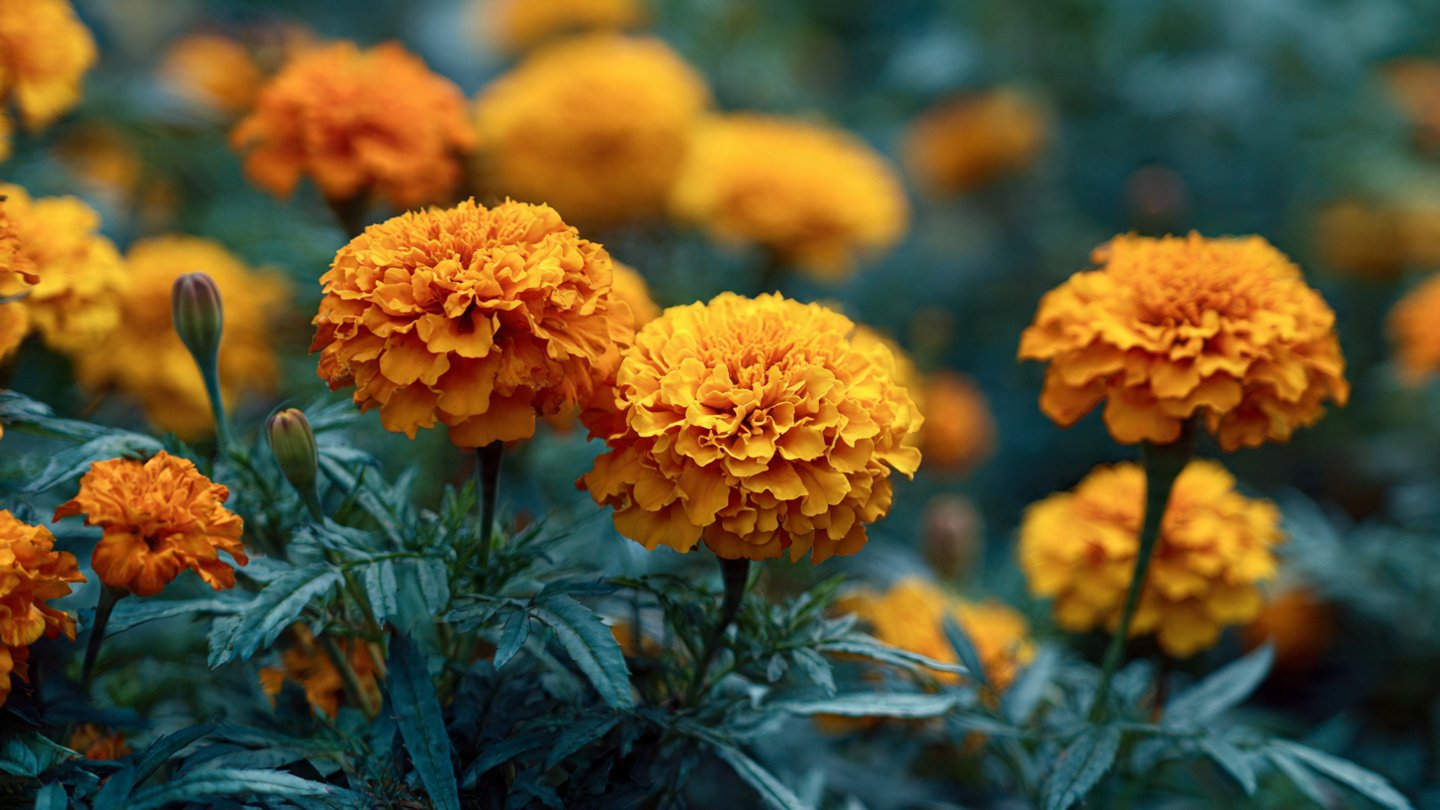

Marigolds, with their vibrant colors and hardy nature, are among the most beloved flowers in the gardening world. Whether you’re a seasoned gardener or a novice, incorporating marigolds into your flower beds can significantly enhance the beauty and vitality of your garden. This article delves into the many reasons you should plant marigolds in every flower bed.
The Aesthetic Appeal of Marigolds
One of the foremost reasons to plant marigolds is their aesthetic appeal. These flowers come in a range of colors, including shades of yellow, orange, and red. Their bright, cheerful blooms can bring a lively vibrancy to any garden setting, making them perfect for complementing other flowers. When planted in clusters, marigolds create a striking visual impact that draws the eye and enhances the overall beauty of your garden.
Seasonal Longevity
Marigolds are known for their lengthy blooming season. When planted at the right time, these flowers can bloom from late spring until the first frost of autumn. This durability makes marigolds an excellent choice for gardeners looking to maintain color and interest throughout the growing season. By choosing marigold varieties that suit your climate, you can ensure a dazzling display that lasts for months.
Companion Planting Benefits
One of the hidden treasures of marigolds is their compatibility with a wide variety of plants. They are often referred to as companion plants because they can improve the health and yield of neighboring plants. Marigolds are known to repel certain pests, such as aphids, nematodes, and whiteflies. By planting them alongside your vegetables and other flowers, you can reduce the need for chemical pest control measures, fostering a healthier garden ecosystem.
Pest Control
Marigolds possess natural insect-repelling properties, making them a perfect addition to any garden. Their strong scent is particularly effective in masking the odors of other plants, thus deterring harmful insects. This is especially useful for vegetable gardens, where pests can significantly threaten your crops. The presence of marigolds can create a protective barrier, ensuring your plants thrive without the chemical pesticides that can be detrimental to the environment.
Soil Health Improvement
Marigolds also contribute positively to soil health. Their roots release beneficial compounds that can improve soil quality and nutrient availability, making them a great choice for any garden. Additionally, planting marigolds can attract beneficial insects and pollinators, which can further enhance soil health and support thriving plant life. By enriching the soil with marigolds, you’re setting the stage for a thriving garden ecosystem.
Easy to Grow and Care For
For both novice and experienced gardeners, marigolds are an ideal choice due to their low maintenance requirements. They thrive in various soil types and can tolerate drought conditions, making them incredibly resilient. With a little sunlight and consistent watering, these flowers can flourish with minimal effort. This ease of cultivation encourages gardeners of all skill levels to enjoy the beauty and benefits of marigolds.
Educational Opportunities
Planting marigolds can also provide educational opportunities for families and children. Their quick growth and vibrant colors can stimulate curiosity and interest in gardening and the environment. Teaching children how to plant and care for marigolds can instill valuable lessons about responsibility and the importance of nurturing living things. In this way, marigolds not only beautify your garden but also create memorable experiences for families.
Supporting Pollinators
Marigolds are not only attractive to human gardeners; they also serve as a magnet for beneficial insects and pollinators. Bees, butterflies, and other pollinators are drawn to the bright colors and nectar of marigold flowers. By planting marigolds, you are contributing to the support of these vital species, which play a crucial role in the ecosystem by facilitating the pollination of a wide variety of plants, including those that produce food.
Versatility in Garden Design
The versatility of marigolds makes them suitable for various garden designs. Whether you have a traditional flower bed, a vegetable garden, or a decorative patio, marigolds can adapt to any setting. They can be used in borders, containers, or as focal points, allowing gardeners to express their creativity and personal style. Their range of sizes, from short to tall varieties, adds dimension and depth to your garden’s landscape.
Cost-Effectiveness
Marigolds are generally inexpensive to purchase, and they can be easily propagated from seeds, which can be collected from existing plants. This cost-effectiveness allows gardeners to fill their beds without breaking the bank, making marigolds a favorite choice for budget-conscious garden enthusiasts. Furthermore, their pest-repelling properties can save money on chemical treatments, adding to their financial benefits.
Conclusion
Incorporating marigolds into every flower bed is a decision that can transform your garden in numerous ways. From their stunning colors and pest-repelling properties to their low maintenance and supportive role for pollinators, marigolds offer a multitude of benefits that can enrich your gardening experience. Whether you aim to create an aesthetically pleasing landscape, improve the health of your plants, or nurture an educational garden environment, marigolds are an invaluable addition. As you plan your garden layout this season, don’t forget to include these remarkable flowers for a vibrant and flourishing outdoor space.
FAQs
1. What are the best conditions for growing marigolds?
Marigolds thrive in well-draining soil and prefer full sun, meaning at least 6 hours of sunlight daily. They are quite adaptable and can tolerate a variety of soil types.
2. How often should I water my marigolds?
Marigolds prefer evenly moist soil but can tolerate some dryness. Water them regularly, especially during dry spells, ensuring that the soil does not become waterlogged.
3. Can marigolds be grown in pots?
Yes, marigolds can be successfully grown in pots. Choose containers with good drainage and place them in a sunny area. They make lovely additions to patios or balconies.
4. Do marigolds attract any pests?
While marigolds repel many pests, they can sometimes attract aphids. Keep an eye on your plants and manage any infestations promptly.
5. Can I use marigolds in edible gardens?
Yes! Marigolds are often planted in edible gardens as companion plants because they help deter harmful pests. Additionally, some marigold varieties are edible and can be used in salads.