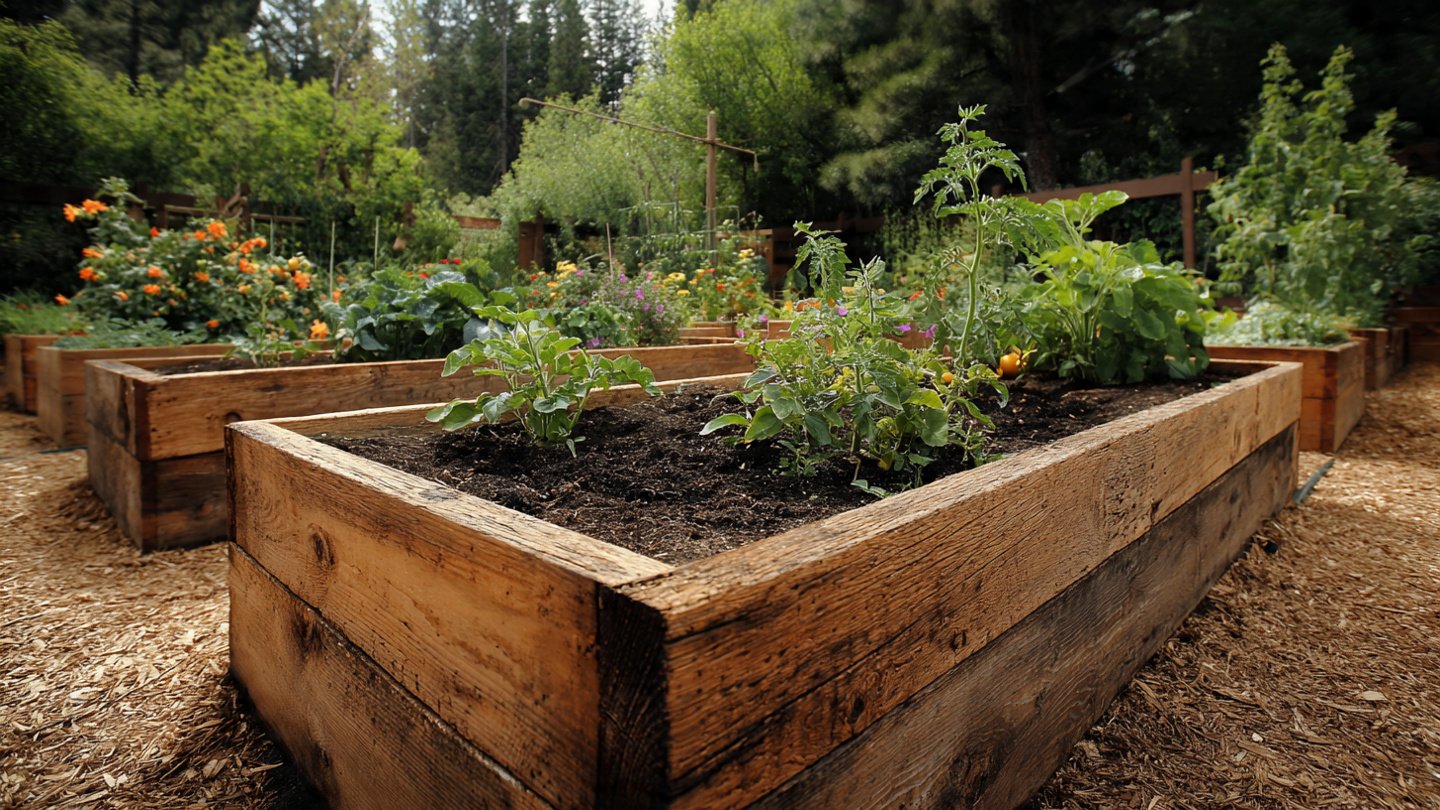

When it comes to creating a thriving vegetable garden, gardeners often turn to raised beds as a way to better manage soil conditions, improve drainage, and create easier access for planting and harvesting. One question that frequently arises among both novice and experienced gardeners is whether to use treated wood for constructing these raised beds. While it may seem a practical choice due to its durability and resistance to pests, there are several compelling reasons why treated wood should be avoided in your raised vegetable beds. This article will explore these reasons in detail, providing insights into health risks, environmental concerns, and more sustainable alternatives.
Understanding Treated Wood
Treated wood is lumber that has been infused with chemicals to help protect it from decay, insects, and other environmental factors. Common treatments include pressure treating with harmful chemicals like chromated copper arsenate (CCA), alkaline copper quat (ACQ), and copper azole (CA). These chemicals do effectively prolong the life of the wood, making it a popular choice for outdoor projects. However, the very properties that make treated wood appealing for construction also raise significant concerns when it comes to gardening.
Health Risks
Chemical Leaching
One of the most significant concerns regarding treated wood in raised vegetable beds is the potential for chemical leaching. Over time, particularly when exposed to moisture or soil, these chemicals can leach out of the wood and potentially contaminate the soil. Vegetables grown in this soil may absorb these harmful substances, which may pose health risks to those consuming them. Chemical compounds like arsenic, found in older treatment processes, have been linked to various health issues, including cancer and neurological damage.
Risk to Children and Pets
If you have children or pets who spend time in the garden, using treated wood further increases health risks. Children are particularly vulnerable to chemical exposure due to their smaller size and developing bodies. Studies have shown that even minimal exposure to these chemicals can have negative effects on health, making treated wood a poor choice in family and pet-friendly environments.
Effects on Soil Health
Altering Microbial Communities
The introduction of chemicals into the garden doesn’t just affect the plants; it can also disrupt the soil ecosystem. Healthy garden soil relies on a diverse community of microorganisms, fungi, and other organisms that promote nutrient cycling and soil health. Chemicals found in treated wood can kill beneficial microbes, leading to a decrease in soil fertility over time. This disruption can result in lower yields and potentially lead to a reliance on synthetic fertilizers and pesticides.
Impacts on Earthworms and Soil Invertebrates
Earthworms and other soil invertebrates play a vital role in maintaining soil health. They aerate the soil and help decompose organic matter. The chemicals leached from treated wood can harm these critical organisms, disrupting their populations and compromising the ecological balance necessary for healthy plant growth.
Environmental Concerns
Non-Biodegradability
Treated wood is engineered for longevity, which makes it difficult to dispose of sustainably. When treated wood reaches the end of its lifespan, it cannot be easily composted or recycled. It often ends up in landfills, where the chemicals can leach into the surrounding environment, contaminating groundwater and harming ecosystems. This creates long-term environmental consequences that make using treated wood a less sustainable option for gardening.
Impact on Surrounding Ecosystem
Additionally, if treated wood is used near other garden plants, trees, shrubs, or nearby water sources, there is a risk that the leached chemicals can adversely affect those plants and aquatic life. The widespread effects of these chemicals can lead to broader environmental impacts, disrupting both terrestrial and aquatic ecosystems.
Sustainable Alternatives to Treated Wood
Given the significant risks associated with using treated wood, many gardeners are opting for alternative materials when constructing raised beds. Here are some popular, sustainable options:
Untreated Cedar or Redwood
Both cedar and redwood are naturally resistant to decay and pests without the need for chemical treatments. While they may be more expensive upfront than treated wood, their durability and resistance to rot make them a worthwhile investment. These woods can last for many years and are biodegradable at the end of their lifecycle.
Recycled or Upcycled Materials
Consider using reclaimed wood or repurposed materials. Old pallets, cinder blocks, bricks, or stones can be excellent choices for constructing raised beds. They can often be sourced for free or at a low cost while helping reduce waste. Ensure any material you use is free of harmful chemicals and safe for gardening.
Steel or Concrete
Galvanized steel is another durable option that offers a modern aesthetic. It’s resistant to pests and does not leach chemicals into the soil. Similarly, concrete blocks provide a long-lasting alternative that can be lined on the inside with landscape fabric to prevent soil contact, reducing the risk of leaching if you have concerns about the materials.
Fabric or Pre-Made Raised Beds
Another increasingly popular option is using fabric raised beds. These are made of breathable materials that allow for good drainage while keeping soil contained. They are lightweight, portable, and can easily be moved or relocated. Also available are pre-made raised bed kits that often use untreated wood and are designed with the gardener’s health and environmental impact in mind.
Enhancing Your Garden Soil
When constructing raised beds, the focus should not only be on the materials used but also on building healthy soil. Investing in quality soil amendments such as compost, organic mulch, and natural fertilizers can enhance nutrient levels and support plants’ healthy growth. Adding organic matter supports beneficial microbial life, which can improve soil fertility and structure.
Regular Soil Testing
Conducting soil tests can help you monitor the nutrient levels and pH balance of your soil. Based on the results, you can make informed decisions about necessary amendments, keeping your plants healthy and thriving without the need for chemical fertilizers.
Conclusion
Choosing the right materials for your raised vegetable beds is a critical decision that impacts not just the health of your plants but also the safety of your food and the surrounding environment. While treated wood may offer short-term benefits in durability and pest resistance, the long-term health risks, environmental concerns, and impact on soil health make it an inadvisable choice for raised vegetable beds.
Fortunately, there are many sustainable alternatives available that can enhance your gardening experience without the associated risks. By opting for untreated wood, recycled materials, or innovative solutions like fabric containers, you can create a successful and safe vegetable garden that contributes positively to your health and the environment. Prioritize the health of your soil, and you will reap the rewards of a vibrant garden for years to come.