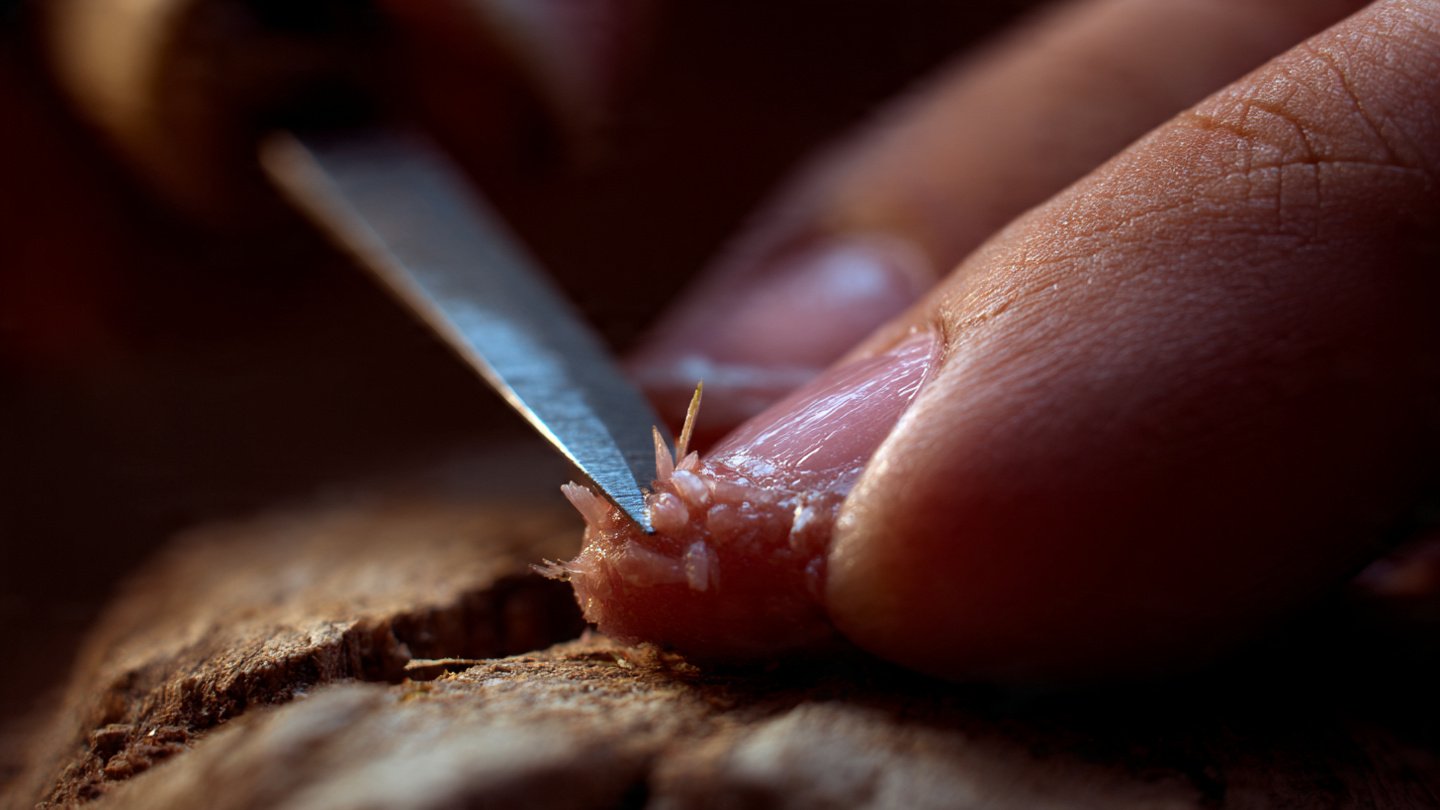

When we experience a cut, our body’s natural healing process is initiated, often resulting in the formation of a callus. A callus serves as a protective layer, shielding the underlying skin during recovery. However, many people feel compelled to touch or manipulate a forming callus. This article delves into the reasons why touching the callus of a new cut is inadvisable, detailing the healing process, potential complications, and best practices for cut care.
The Healing Process Explained
Understanding the healing process can illuminate why it’s vital to avoid touching calluses associated with new cuts. When a cut occurs, the body goes through several stages of healing:
- Hemostasis: The first step is the immediate constriction of blood vessels to minimize bleeding, followed by the formation of a clot.
- Inflammation: This phase usually occurs within the first few days, during which white blood cells move to the area to fight any potential infection.
- Proliferation: Here, the body begins to rebuild tissue, generating collagen and new blood vessels. The formation of a callus often occurs in this phase.
- Maturation: The final phase where the new tissue gains strength and flexibility over time.
During these stages, a callus forms as a natural defense mechanism, creating a barrier against external elements that may endanger the healing skin beneath.
Why You Should Avoid Touching the Callus
1. Increased Risk of Infection
One of the most significant risks associated with touching a callus is the potential introduction of bacteria. When we touch our skin, we transfer oils, dirt, and germs from our fingers. If these contaminants enter the area of a fresh cut through fissures in the callus, they can cause infection. Symptoms of infection may include:
- Increased redness or swelling
- Pain or tenderness around the area
- Foul-smelling discharge or pus
- Fever or chills
Infection can prolong the healing process and might require medical treatment, including antibiotics.
2. Impeding the Healing Process
Touching or picking at a callus can disrupt the healing process. The callus forms as a protective layer, and removing it prematurely can expose the underlying tissue to further trauma or irritation. This not only delays healing but may also result in scarring. When the skin is allowed to naturally heal, it forms new tissue without additional interference, leading to better outcomes.
3. Pain and Discomfort
Regularly touching a callus can lead to increased pain and discomfort. The sensitive new skin below the callus can be easily aggravated by unnecessary touch, resulting in stinging sensations or further pain. It’s crucial to allow the area to be free from excessive handling to mitigate discomfort as healing occurs.
4. Formation of Unwanted Scars
Picking at or interfering with a callus can contribute to scarring. Scars arise when the skin heals unevenly or when trauma occurs to the area. Maintaining the integrity of a callus during the healing process allows for a smoother healing outcome. Scar formation is often permanent, and this can be aesthetically displeasing for many individuals.
5. Psychological Factors
Aside from physical damage, touching a callus can lead to psychological issues such as anxiety or compulsions. For some, the urge to manipulate skin imperfections can become obsessive, impacting overall well-being. Practicing restraint can foster a better mindset regarding healing and acceptance of one’s body.
Best Practices for Caring for a New Cut
To ensure optimal healing of a new cut, consider the following best practices:
- Keep It Clean: Gently clean the cut with soap and water to remove debris. This should be done daily to maintain hygiene.
- Use Sterile Dressings: Cover the area with a sterile bandage to provide a protective barrier against bacteria and further injury.
- Avoid Picking: Resist the urge to touch, pick at, or peel away the callus or any scabs that form over time.
- Hydrate the Skin: After the initial healing period, keep the area moisturized with lotion or ointment to aid in restoring skin integrity.
- Consult a Healthcare Professional: If you notice signs of infection or if healing does not seem to be progressing, seek medical advice.
Conclusion
The formation of a callus over a new cut is a natural and essential part of the body’s healing process. Touching or interfering with this protective layer only serves to increase the risk of infection, impede healing, and potentially contribute to unwanted scarring. By understanding the healing process and adhering to the best practices outlined, individuals can significantly enhance their recovery and maintain skin health. Remember, patience is critical; allowing the body to heal without interference is often the best course of action.
FAQs
1. How long does it take for a callus to form over a cut?
The time varies depending on the severity of the cut and personal health factors, but typically a callus begins to form within a few days to a week after the injury.
2. Is it safe to apply ointment on a fresh cut?
Yes, using an antibiotic ointment can be beneficial, particularly in the early stages of healing. Ensure it is applied to clean skin and follow up with a sterile dressing.
3. What should I do if I accidentally touch my callus?
If you touch your callus, avoid further manipulation. Clean your hands to remove contaminants and monitor the cut for signs of infection.
4. Can calluses be removed when healed?
Once the skin has completely healed, calluses can be gently removed through exfoliation or professional treatments if they are thick or uncomfortable.
5. When should I seek medical attention for a cut?
If you notice swelling, increased redness, discharge, or if the cut does not improve after a few days, seek medical attention.