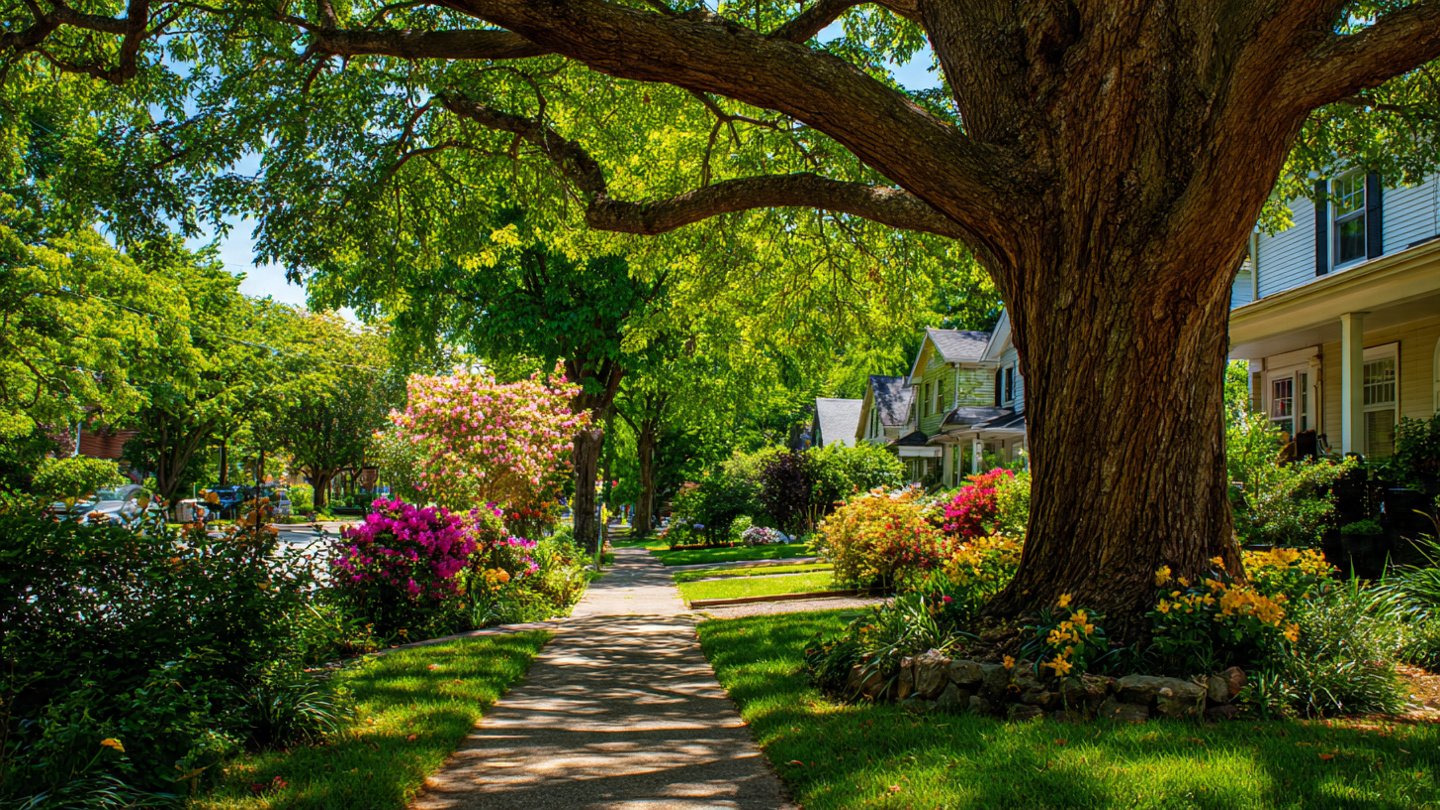

Planting trees can enhance the beauty of your landscape, provide shade, and improve air quality. However, certain tree species may pose unique risks when planted close to homes. It is crucial to weigh the aesthetic benefits against potential hazards and long-term maintenance issues. This article will guide you through various factors to consider when selecting trees for your property.
1. Structural Risks
Some tree species have expansive root systems that can disturb foundations, sidewalks, and driveways. Here are some key points to consider:
- Root Damage: Certain trees, like willows and maples, have aggressive roots that can grow as much as two to three times the height of the tree. This growth can cause cracks in foundations or disrupt underground plumbing.
- Trees Near Homes: A tree planted less than 10 feet from your house can pose significant risks. Over time, roots may encroach on the foundation, while branches can scrape the roof or damage siding, especially during storms.
2. Fire Hazards
Tree species also differ in their susceptibility to fire. Some, particularly those containing large amounts of resin or are otherwise flammable, can elevate fire risks. Consider the following:
- Flammable Species: Trees like pines and eucalypts produce easily ignitable resin that can exacerbate fire spread.
- Threshold Distance: It is advisable to maintain a safe distance between trees and your home, especially in fire-prone areas. The National Fire Protection Association recommends at least 30 feet clear of flammable vegetation.
3. Pest and Disease Susceptibility
Tree species can attract pests and diseases that could extend to your home. Some considerations include:
- Pest Attractants: Certain trees, such as fruit trees, can attract insects like bees and wasps, which could become problematic if they establish nests close to your home.
- Diseased Trees: Trees can harbor pathogens; for instance, oak wilt affects oak trees and can lead to a rapid decline, while ash trees are susceptible to the emerald ash borer.
4. Maintenance Issues
Regular maintenance is crucial for keeping trees in check and ensuring safety. Some maintenance-related risks include:
- Falling Branches: Dead or dying branches, or “widow-makers,” pose a risk to people and property. Trees should be routinely inspected and pruned to prevent accidents.
- Leaf Litter and Gutter Blockage: Trees that shed leaves seasonally can clog gutters and drainage systems, which may lead to water damage in the long run.
5. Environmental Impact
When considering trees near your home, think about their overall environmental impact:
- Invasive Species: Some trees, like the Norway maple, may outcompete native flora, leading to a decline in biodiversity. Such trees can disrupt local ecosystems.
- Water Usage: Certain species may require more water, which could stress local water resources, particularly in arid climates.
Choosing the Right Trees
Given the potential risks associated with certain trees, it’s essential to select species carefully:
- Consult Local Arborists: Local tree care professionals can provide insights into species that are safe and appropriate for your area.
- Consider Size: Choose smaller trees or shrubs that won’t grow too close to your home.
- Opt for Native Plants: Native species are typically more resilient and supportive of local wildlife, making them a safer choice.
Conclusion
While planting trees near your home can provide numerous benefits, it is essential to consider the potential risks involved. From structural concerns to fire hazards, pest attraction, maintenance issues, and environmental impacts, understanding these factors can help you make informed decisions. With thoughtful planning and consultation with professionals, you can enjoy the benefits of trees without significant risks to your property or family.
FAQs
1. What types of trees are generally considered safe to plant near homes?
Small to medium-sized native trees, such as dogwoods, redbuds, and serviceberries, are often recommended for planting near homes. They have less invasive root systems and are generally easier to maintain.
2. How far should I plant trees from my house?
It is generally advised to plant trees at least 10-15 feet away from your home, depending on the ultimate size of the tree. Consult local landscaping guidelines for specific recommendations.
3. What are the signs that a tree is too close to my house?
Signs include roots visibly pushing up pavement or disturbed soil, branches hanging over gutters or roofs, and any signs of disease or instability. If you notice any of these, it may be time to consult a professional.
4. How can I maintain trees safely near my home?
Regularly inspect trees for signs of disease or dead branches, prune them as needed, and ensure adequate distance between branches and your home. Hiring a certified arborist for maintenance is a safe option.
5. Are there any government regulations about planting trees near utility lines?
Yes, many municipalities have regulations regarding the distance trees should be planted near utility lines. It’s best to check with your local utility company or town regulations to ensure compliance.