
In recent weeks, there has been a noticeable surge in the use of molasses among gardening enthusiasts and landscape professionals alike. This sudden popularity raises questions about its benefits and practical applications in gardening. Molasses, a byproduct of sugar production, is primarily known for its sweet flavor and energy-rich content. However, its role in horticulture is gaining traction, and understanding why so many gardeners are reaching for this sticky substance can provide insight into its benefits for soil health, plant growth, and overall garden ecology.
One of the primary reasons molasses is making waves in the gardening community is its role as a natural soil amendment. The sweet, viscous liquid is rich in carbohydrates, which serve as a food source for beneficial microorganisms in the soil. When added to garden soil, molasses stimulates microbial activity, enhancing biological processes that contribute to soil health. An increase in microbial activity leads to improved nutrient cycling, which is vital for healthy plant growth.
Healthy soil is teeming with a variety of microorganisms, including bacteria and fungi, that play crucial roles in the ecosystem. Molasses acts as a carbon source for these microbes, promoting their reproduction and activity. A diverse microbial community helps break down organic matter, releasing essential nutrients such as nitrogen, phosphorus, and potassium that plants need to thrive. Furthermore, this microbial action can also improve soil structure, enhance water retention, and reduce compaction – all critical factors in creating a productive garden.
In addition to its benefits for soil, molasses has also become a popular ingredient in organic pest control strategies. The sweet scent of molasses can attract beneficial insects, such as ladybugs and lacewings, which are natural predators of common garden pests like aphids and spider mites. By increasing the population of these helpful insects, gardeners can create a more balanced ecosystem that naturally manages pest populations without the need for chemical pesticides.
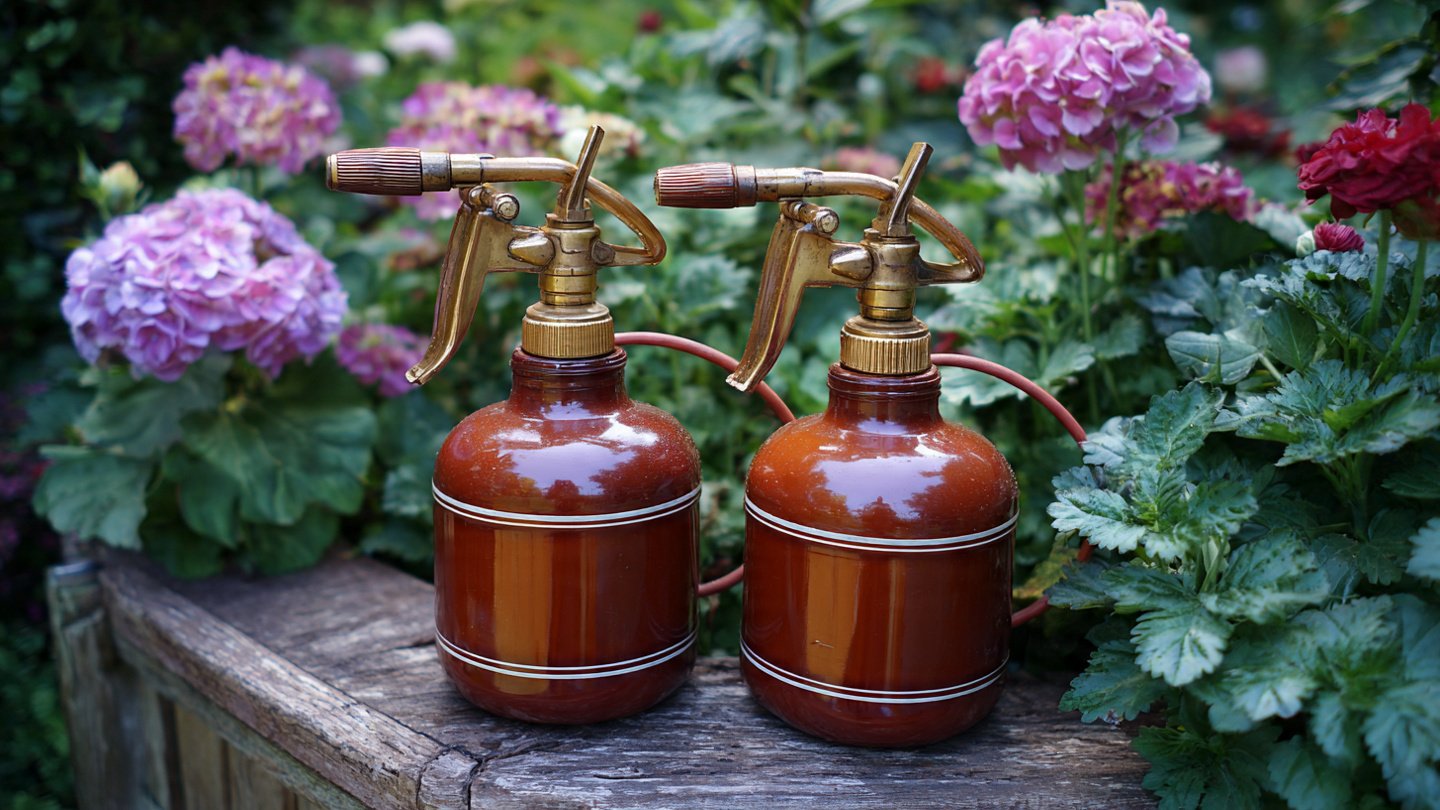
Another compelling use of molasses in gardening is its potential to improve plant health and vigor. When diluted and applied as a foliar spray, molasses can boost plant growth and resilience. The sugars in molasses can enhance the plant’s ability to photosynthesize, leading to increased energy production and growth. This energy boost is particularly useful during periods of stress, such as drought, disease, or pest infestation.
Moreover, molasses can enhance leaf sheen and overall appearance. A foliar spray using molasses not only provides nutrients to the plant’s leaves but also may improve its ability to resist disease by promoting a healthier plant surface. This dual action of providing both nourishment and a protective barrier makes molasses an attractive option for organic gardeners seeking to maintain vibrant and healthy plants.
The timing of this recent molasses trend might be associated with seasonal planting habits. Many gardeners engage in spring planting preparations, and as they ensure their soil is rich in nutrients, the use of molasses as a soil amendment fits perfectly into their routine. Spring often marks a time of growth and renewal, making it an ideal period for applying organic materials that will foster a robust gardening environment.
Moreover, molasses is easily accessible and cost-effective for many gardeners. Contrary to synthetic fertilizers that can be expensive and may pose environmental risks, molasses is a natural product that is generally inexpensive and safe to use in both conventional and organic gardens. This affordability allows a broader range of gardeners to incorporate it into their practices, further fueling its popularity.
Environmental sustainability is another reason driving the interest in molasses. As more gardeners seek eco-friendly practices, the use of natural amendments like molasses aligns with trends toward organic farming and sustainable gardening. By utilizing molasses, gardeners can reduce their reliance on synthetic chemical fertilizers, which often contribute to soil degradation, water pollution, and other environmental issues. Additionally, the production and use of molasses generate fewer harmful emissions compared to those associated with conventional fertilizers.
If you’re considering jumping on the molasses bandwagon, it’s essential to understand how to use it effectively. The typical application involves diluting molasses in water, creating a solution that can be sprayed directly onto plants or incorporated into the soil. The general ratio is one tablespoon of molasses mixed with one gallon of water, but this can be adjusted based on specific needs. Once mixed, it’s advisable to apply the solution in the early morning or late afternoon to avoid the heat of the day, which can reduce the efficacy of the molasses.
While molasses offers numerous benefits, it’s important to use it judiciously. Overapplication can lead to excess sugars in the soil, which can create an environment conducive to undesirable fungi or pests. Thus, moderation is key. As with any garden practice, starting with a smaller test area can help gauge its effects before widespread application.
Many gardeners are also integrating molasses into their composting practices. Adding molasses to compost piles can accelerate the decomposition process by providing microbes with the energy they need to break down organic materials. This results in richer, more nutrient-dense compost ready for application in the garden. The synergy between composting and molasses further amplifies the benefits of using this natural substance.
In addition to its usage in the garden, molasses can play a role in other gardening aspects, such as seed soaking. Soaking seeds in a diluted molasses solution before planting can potentially enhance germination rates and the vigor of seedlings. By providing initial nutrients, molasses can give young plants a head start, contributing to better overall growth.
As the gardening community shares experiences and successes with molasses, social media platforms and online forums have sparked conversations about its benefits and uses. Gardeners are excited to showcase their results, further perpetuating its popularity. This collective enthusiasm fosters a sense of community, where knowledge and experiences regarding natural gardening practices are shared and celebrated.
Research and anecdotal evidence continue to surface, shedding light on the myriad ways molasses can be leveraged in gardening. From urban community gardens to lush landscapes, gardeners of all backgrounds are discovering that this humble byproduct of sugar production holds remarkable potential for enhancing garden productivity and promoting ecological harmony.
Furthermore, emerging studies are likely to further elucidate the mechanisms by which molasses influences soil health and plant growth. As scientific inquiry in sustainable agriculture expands, the fascination with molasses is expected to continue growing. The gardening community thrives on innovation, and molasses fits seamlessly into a movement toward organic, regenerative practices that place the health of the soil, plants, and surrounding ecosystems at the forefront.
Technological advancements in gardening practices and growing methods also play a role in the increased use of molasses. Hydroponic and aquaponic systems, for instance, are gaining traction among modern gardeners. As these innovative approaches to growth gain popularity, molasses may find new applications in nutrient formulations for these soil-less systems, creating further interest within the gardening community.
In a time where much of agriculture faces scrutiny regarding sustainability and environmental impact, molasses offers a glimmer of hope. It exemplifies an age-old practice grounded in respect for nature and the understanding that healthy soil and ecosystems lie at the heart of robust plant growth. Whether employed alone as a soil amendment, mixed into compost, or as a natural pest deterrent, molasses illustrates the intersection of tradition and contemporary gardening methods.
With an increasing number of gardeners touting its effectiveness, molasses is not just a passing trend; it represents a shift towards a more holistic and ecological approach to gardening. Its application this week mirrors a growing commitment to fostering a healthier garden ecosystem while embracing practices that nurture the earth. As the gardening community continues to explore and innovate, the humble jar of molasses might just become a staple in garden shed alongside seeds, tools, and compost.