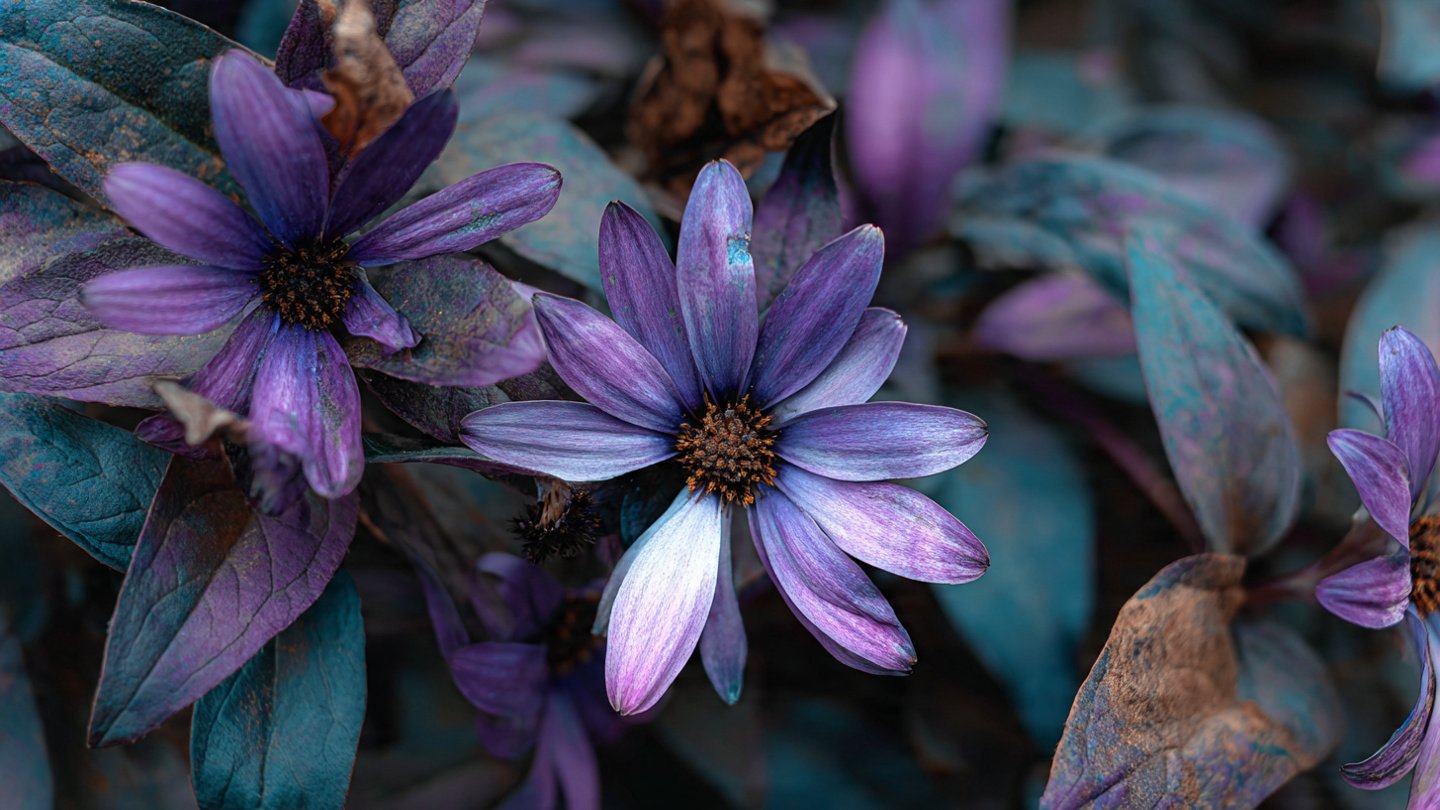

Daisies are among the most loved flowers due to their simplicity and charm. However, encountering issues like purple leaves can be quite alarming for gardeners. Understanding the reasons behind this color change is crucial to ensuring the health of your daisy plants. This article delves into the potential causes and solutions to tackle this common problem effectively.
Understanding Plant Coloration
The color of a plant’s leaves can be influenced by several factors, including genetics, environmental conditions, and plant health. In the case of daisy leaves turning purple, it’s essential to consider both natural and unnatural causes:
- Genetics: Some varieties of daisies may naturally exhibit a purple tint due to their genetic makeup.
- Environmental Stress: Weather conditions, such as cold temperatures, can induce color changes in many plants.
- Nutrient Deficiency: Lack of essential nutrients like phosphorus may lead to discoloration.
- Pests and Diseases: Infestations can affect the overall health of the plant, manifesting in color changes.
Cold Weather Stress
One of the primary reasons for daisy leaves turning purple in winter is exposure to cold weather. When temperatures drop significantly, the plants may respond by altering their leaf pigmentation. The purple hue is often a protective mechanism against frost and freezing conditions.
In colder climates, the process of photosynthesis slows down, which can cause the plant to redirect its energy to vital organs. This can lead to a buildup of anthocyanins—pigments responsible for purple coloration. These pigments can help protect the plant’s cells from damage due to frost.
Nutrient Deficiencies
Nutrient availability is another significant factor influencing leaf color. Specifically, a deficiency in phosphorus can lead to purple leaf hues. Phosphorus is crucial for various functions, including energy transfer and photosynthesis. If the soil lacks this nutrient, it can result in stunted growth and color changes.
To remedy nutrient deficiency, consider conducting a soil test to identify nutrient levels. Based on the results, selective fertilization can be applied to balance nutrient levels and restore the plant’s health.
Pests and Diseases
Infestations from pests like aphids or diseases such as mildew can significantly impact the health of your daisies. These issues can cause stress on the plant, leading to a change in leaf coloration. For instance, aphids feed on the plant’s sap, often resulting in discoloration along with other symptoms like curled or wilting leaves.
Regular monitoring and timely intervention are essential. If you spot any pests or signs of disease, immediate action—such as insecticidal soap or fungicides—can mitigate the damage and prevent further complications.
Environmental Conditions
Environmental factors, such as soil drainage and moisture levels, can also affect plant health. Daisies prefer well-drained soil—excessive moisture can lead to root drowning, which may contribute to poor nutrient uptake and discoloration. Conversely, under-watering can also stress the plant, resulting in similar symptoms.
To create an optimal environment for daisies, ensure proper soil drainage and maintain appropriate watering schedules. By striking a balance, you can promote healthy growth and vibrant foliage.
Preventive Measures
Preventing leaf discoloration in daisies requires a proactive approach. Here are several strategies to maintain the overall health of your daisies:
- Regular Monitoring: Frequently inspect your plants for signs of stress, including discoloration and pest activity.
- Soil Testing: Conduct soil tests to check for nutrient deficiencies or imbalances.
- Proper Watering: Ensure consistent and balanced watering, avoiding both over-watering and drought stress.
- Fertilization: Use a balanced fertilizer during the growing season to provide essential nutrients.
- Temperature Control: If growing indoors or in a greenhouse, maintain a stable temperature to minimize stress from freezing conditions.
Conclusion
Seeing your daisy leaves turning purple during winter can be unsettling for any gardener. However, understanding the potential causes—from cold weather stress and nutrient deficiencies to pests and environmental conditions—can empower you to take appropriate action. By monitoring your plants closely and implementing preventive measures, you can ensure they remain healthy and vibrant through the winter months.
FAQs
1. Can purple leaves be a sign of overwatering?
Yes, overwatering can stress the plant and lead to discoloration. It’s important to monitor soil moisture and ensure proper drainage.
2. Should I prune purple leaves off my daisies?
It’s advisable to trim any dead or severely damaged leaves, but avoid removing healthy leaves that are just changing color, as they may recover.
3. How can I boost phosphorus levels in my soil?
Adding bone meal or a phosphorus-rich fertilizer can help increase phosphorus levels, but it’s crucial to confirm the deficiency through a soil test first.
4. Do all daisy varieties exhibit purple leaves in cold weather?
No, not all varieties will turn purple—some may react differently. It’s essential to research the specific type of daisy you are growing.
5. How long will the leaves stay purple?
The duration of purple leaves can vary depending on environmental conditions and the underlying cause. If the stressor is removed, the leaves may revert to their original color over time.